In today’s fast-paced consumer goods market, production flexibility is no longer a luxury—it is a critical survival metric. Manufacturers across the food, pharmaceutical, cosmetic, and chemical industries face growing pressure to deliver a wider variety of products in smaller, more customized batches. This shift toward mass customization has turned traditional packaging operations upside down. In the past, running a single product size for weeks was the norm. Today, factory operators may need to change packaging specifications multiple times a day to accommodate different weights, pouch dimensions, and formulas.
The primary bottleneck in this high-mix, low-volume environment is changeover downtime. Traditional mechanical adjustments require skilled technicians to manually calibrate forming shoulders, adjust sealing jaws, align filling nozzles, and swap out volumetric cups. This mechanical process is not only time-consuming but also prone to human error, leading to extended trial runs and substantial material waste. To address these operational challenges, the introduction of smart packaging machines equipped with one-click specification switching is redefining efficiency standards on the modern production floor.
The Operational Bottleneck of Manual Changeovers
In conventional manufacturing setups, switching a packaging machine from a 10-gram stick pack to a 20-gram sachet is a complex task. The process typically involves several critical mechanical steps:
- Mechanical Disassembly: Removing forming tubes, sealing bars, and feeding systems.
- Manual Alignment: Using manual tools to align guide rails, sensors, and cutting blades.
- Parameter Recalibration: Manually inputting temperature, speed, and dosing values into old-generation control panels.
- Trial and Error: Running test materials through the system to check seal integrity and fill accuracy, which generates product and film waste.
Depending on the complexity of the machinery, a full manual changeover can take anywhere from one hour to half a day. During this period, the entire production line sits idle, directly impacting the facility’s Overall Equipment Effectiveness (OEE) and raising labor costs.
The Mechanism of One-Click Specification Switching
Smart packaging machinery resolves this bottleneck by substituting manual mechanical labor with digital precision. Through the integration of advanced servo motors, digital actuators, and sophisticated Programmable Logic Controllers (PLCs), the machine stores pre-set configurations—often referred to as “recipes”—for different product specifications. When a changeover is required, the operator simply selects the desired recipe on the touchscreen interface.
Upon receiving the command, the machine automatically adjusts its key components. Servo-driven forming collars adjust their width, motorized sealing jaws position themselves to the correct height, and the dosing system recalibrates its filling volume. Instead of relying on a technician’s manual touch, the machine utilizes high-precision feedback loops to ensure every component reaches its exact coordinates within millimeters. The entire transition occurs simultaneously, reducing changeover times from hours to mere minutes.
| Operational Metric | Traditional Manual Changeover | Smart One-Click Switching |
|---|---|---|
| Average Downtime | 45 to 180 minutes | 2 to 5 minutes |
| Required Skill Level | Experienced mechanical technician | Basic machine operator |
| Material Waste (Film/Product) | High (incurred during trial-and-error runs) | Near zero (highly precise initial run) |
| Risk of Human Error | High (misalignments, incorrect torque) | Extremely low (standardized digital recipes) |
Key Technical Innovations Driving the Change
Several underlying technologies work in tandem to make one-click switching possible in modern automated production lines:
- Multi-Axis Servo Systems: Rather than relying on a single central motor with complex mechanical linkages, smart machines utilize independent servo motors for each moving part. This allows individual components to adjust their positions independently and accurately.
- Intelligent Recipe Management: The machine’s Human-Machine Interface (HMI) stores hundreds of unique packaging profiles. These profiles save parameters such as filling speed, heat-sealing temperature, pulling length, and cutting frequency.
- Automatic Sensor Calibration: Photoelectric sensors that detect registration marks on packaging film automatically adjust their scanning range and sensitivity based on the selected recipe, eliminating manual sensor positioning.

Industrial Applications and Benefits
The transition to smart switching systems offers measurable advantages across various sectors. In the pharmaceutical industry, where strict validation and batch tracking are mandatory, automated changeovers ensure that machines return to verified operational parameters with absolute repeatability. This reduces the time spent on re-validation and quality control checks after every product change.
In the food and supplement packaging sector, where seasonal changes and promotional packaging variations are frequent, the ability to switch rapidly between different pouch configurations prevents bottlenecking at the packaging stage. This allows brands to run dynamic production schedules, keeping inventory levels lean while maintaining high order-fulfillment rates.
Choosing the Right Technology Partner
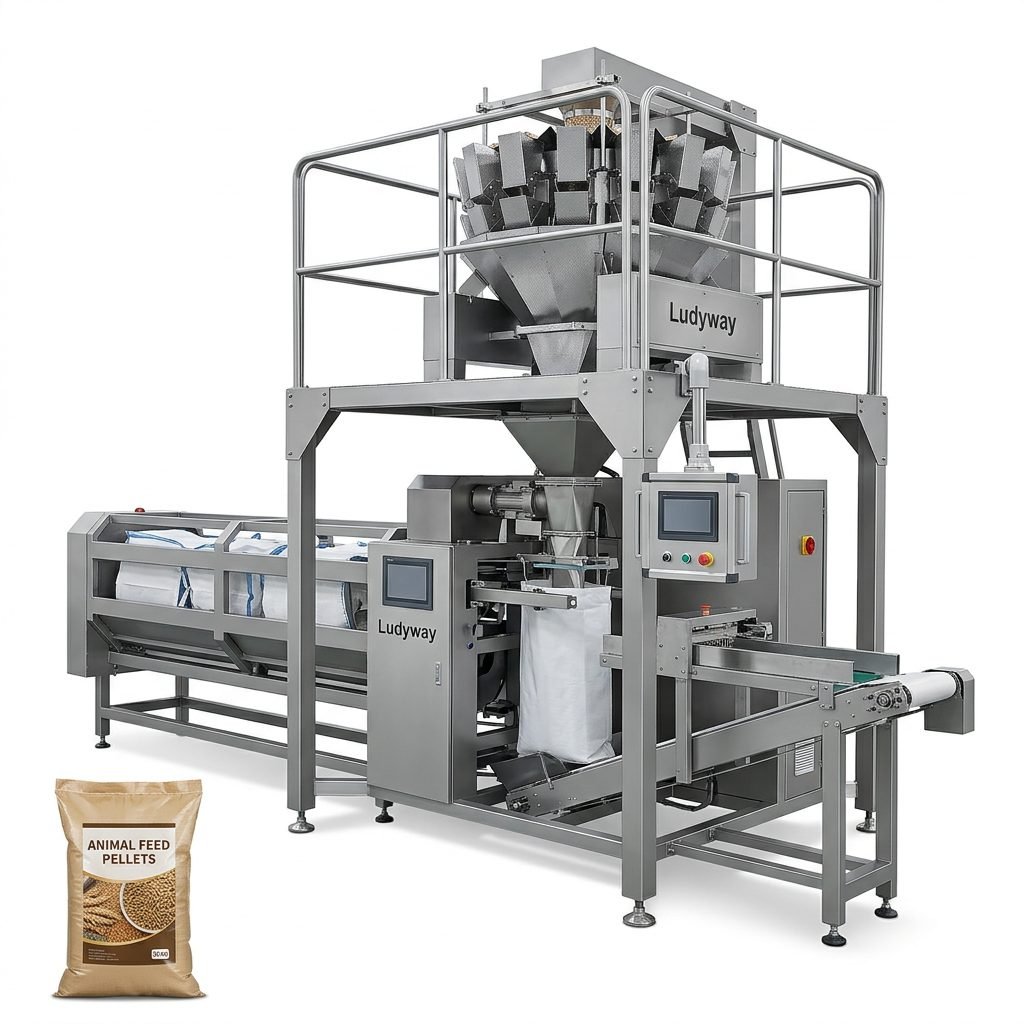
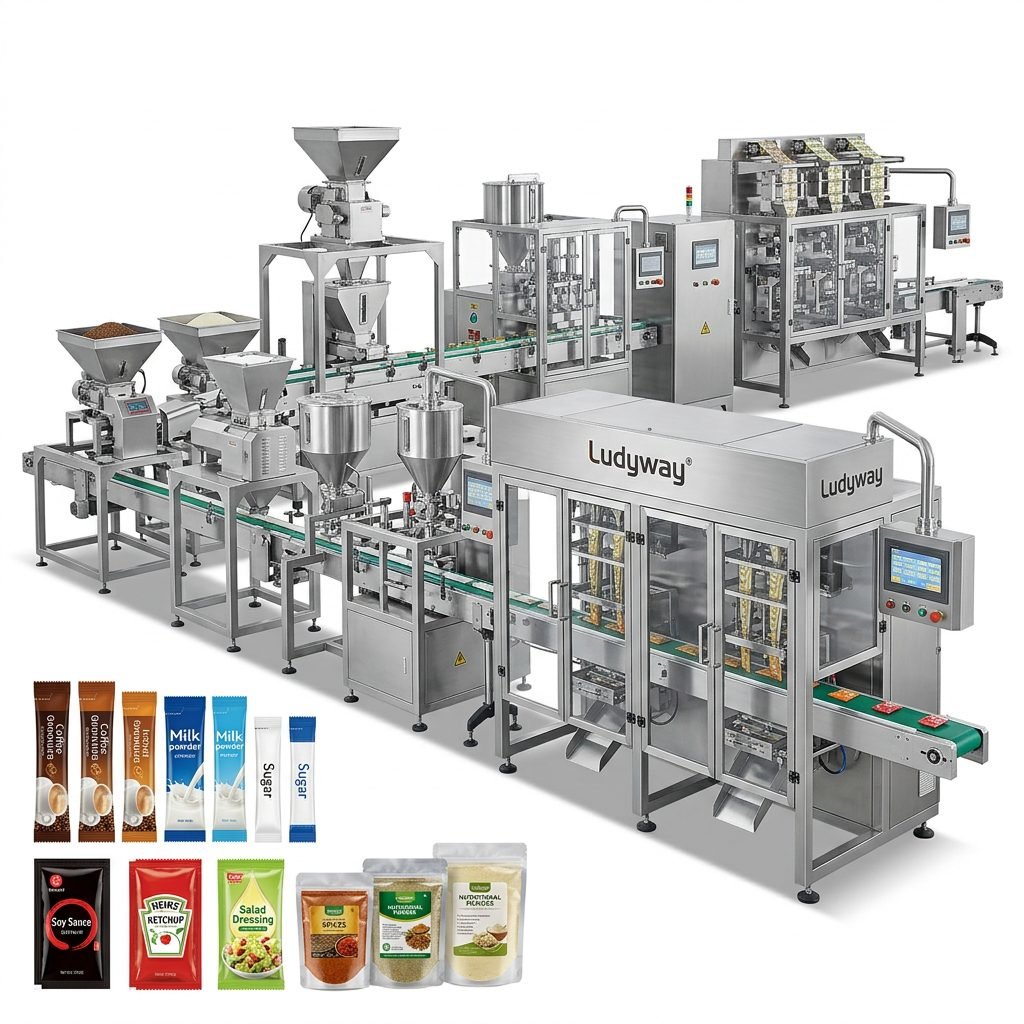
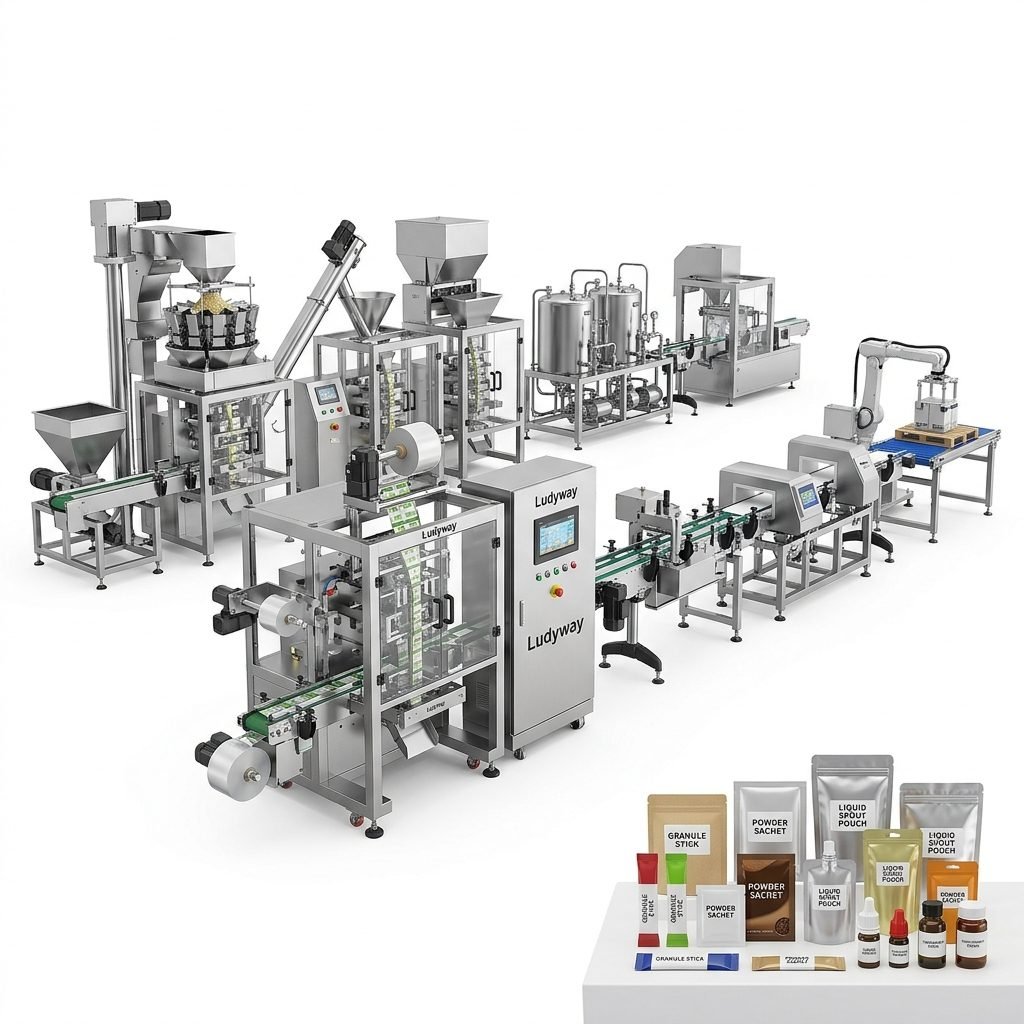
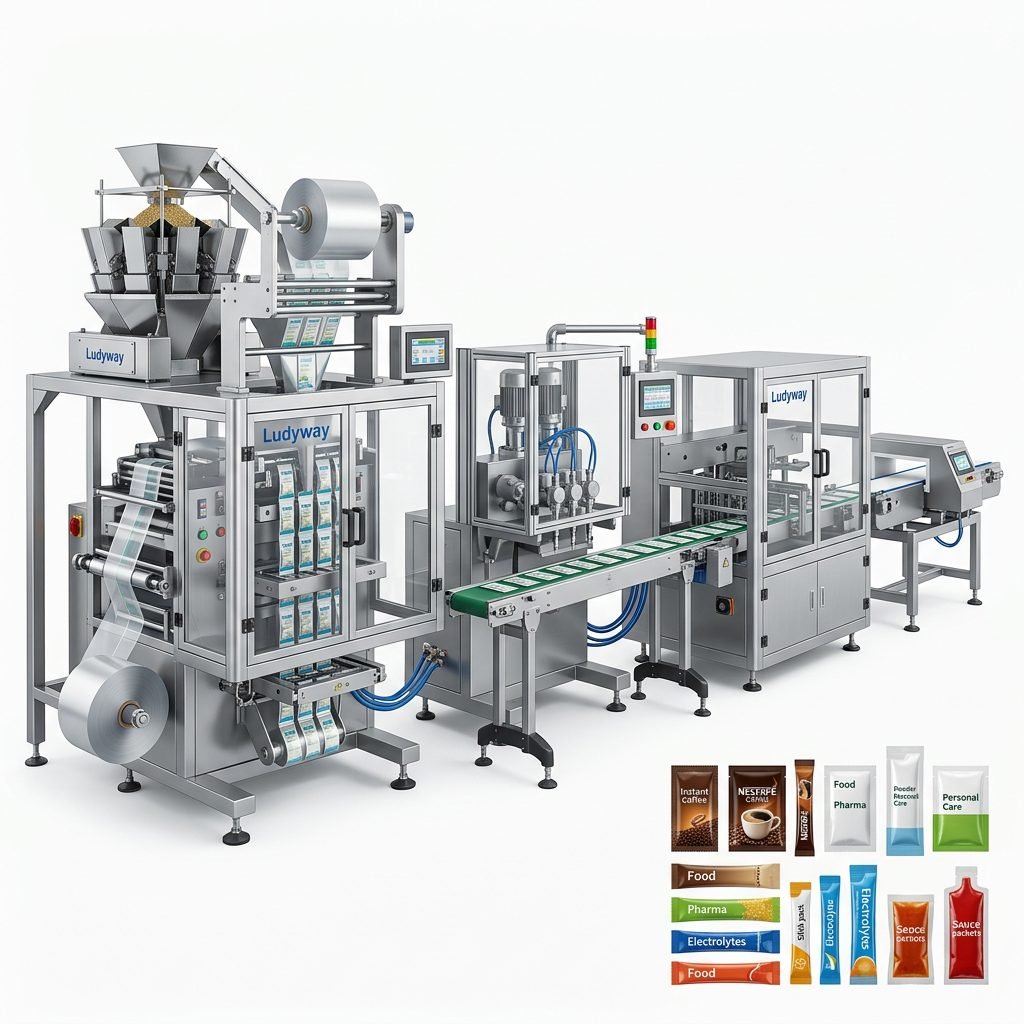
Implementing smart changeover systems requires robust engineering and high-precision manufacturing capabilities. For businesses seeking to upgrade their packaging infrastructure, partnering with an experienced manufacturer is vital. Established in 1993, Ludyway has built over three decades of expertise in automatic packaging technology. Operating a modern facility of over 20,000 square meters, they supply versatile vertical packaging systems and multi-lane stick pack lines designed to meet the demands of global export markets, including Europe and North America.
Their machinery is engineered with integrated control networks that facilitate seamless recipe storage and automated mechanical adjustments. By focusing on application-based customization, they help global buyers transition from labor-intensive manual operations to smart, turnkey packaging systems that optimize daily output and minimize operational downtime.
Maximizing Return on Investment (ROI)
While the initial acquisition cost of a smart packaging machine equipped with servo-driven adjustments is higher than that of a basic mechanical unit, the return on investment is achieved quickly through operational savings. By converting hours of idle downtime into active production time, factories can increase their daily output without extending working shifts. Furthermore, the reduction in raw material waste during startup testing contributes directly to lower per-unit packaging costs, making smart automation a highly sustainable choice for growing enterprises.