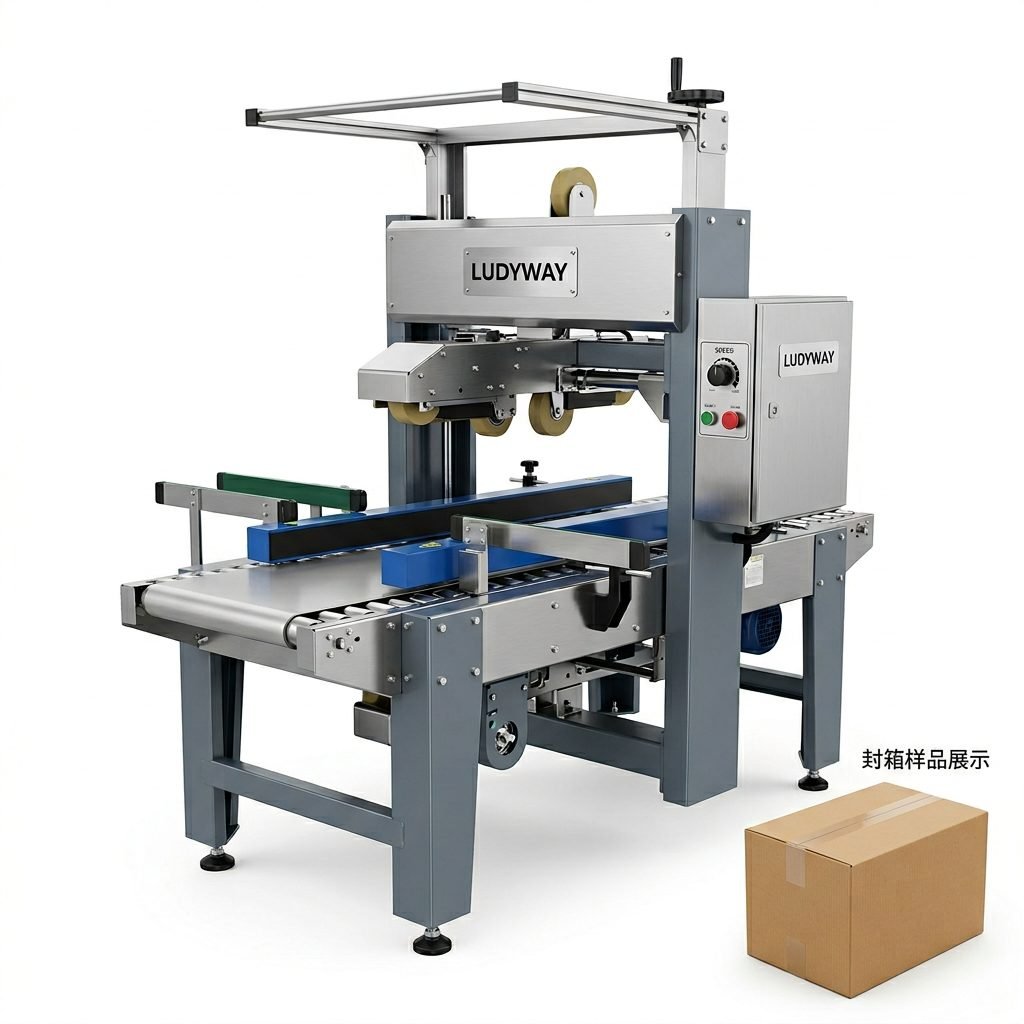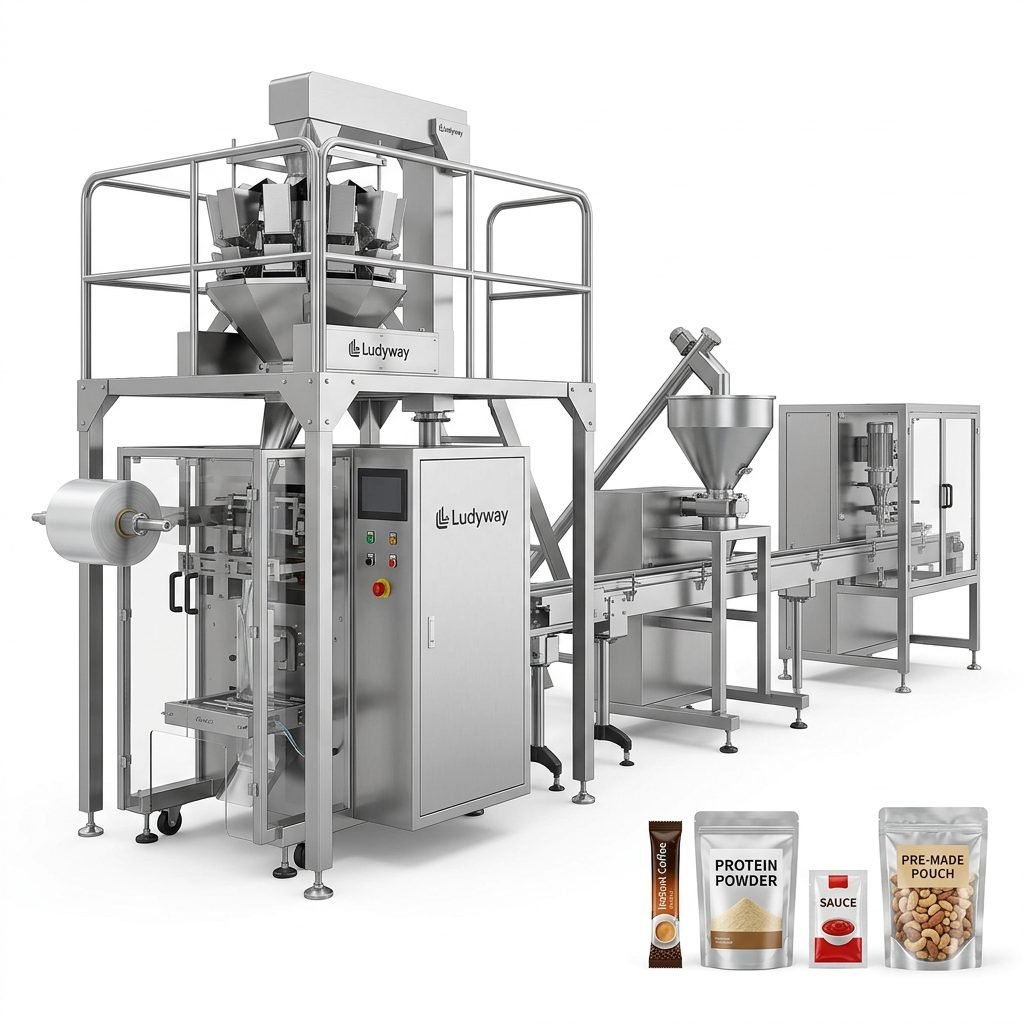
The global packaging industry is undergoing a monumental shift. For decades, packaging machinery focused primarily on mechanical throughput—speed, raw durability, and basic relay-controlled automation. However, the modern industrial landscape demands far more adaptability. The transition from traditional manufacturing to smart manufacturing has redefined how factories operate globally. Driven by the need for higher precision, minimized product waste, strict safety standards, and seamless integration, packaging machinery companies are rewriting their operational blueprints.
Today, smart manufacturing merges physical machinery with digital technologies, including the Internet of Things (IoT), artificial intelligence (AI), and cloud analytics. This integration allows packaging lines to communicate, adapt to changing product specifications on the fly, and self-correct errors before they lead to costly downtime. The result is a highly responsive production environment that meets the diverse needs of modern consumer markets.
The Catalyst for Smart Transformation
Several market dynamics are pushing packaging machinery manufacturers to innovate. First, consumer preferences are shifting toward personalized, smaller, and more diverse packaging formats, such as single-serve stick packs and eco-friendly stand-up pouches. Traditional fixed-setup machines cannot handle such frequent changeovers without significant manual intervention and downtime.
Second, global labor shortages and rising operational costs are forcing companies to search for high-efficiency alternatives. As global demands shift toward complete automation, industry pioneers like Ludyway have adapted by developing highly integrated packaging lines that minimize human error while maximizing throughput. Manufacturers now require smart machines that can perform automated cleaning, self-diagnosis, and real-time adjustments, effectively reducing the reliance on highly specialized manual labor.
Core Technologies Defining Smart Packaging Systems
To understand the depth of this transformation, it is essential to look at the primary technological pillars that define modern smart packaging systems. These innovations work in harmony to elevate overall equipment effectiveness (OEE):
- Advanced Sensor Integration: Modern packaging lines utilize smart sensors to monitor parameters like temperature, pressure, seal integrity, and fill weight in real-time. If a deviation occurs, the system automatically adjusts the filling nozzle or sealing jaw without stopping the line.
- Predictive Maintenance: By utilizing IoT-enabled diagnostics, machines can analyze mechanical vibrations and thermal signatures. This data allows the system to predict component wear and alert operators to perform maintenance before a breakdown occurs.
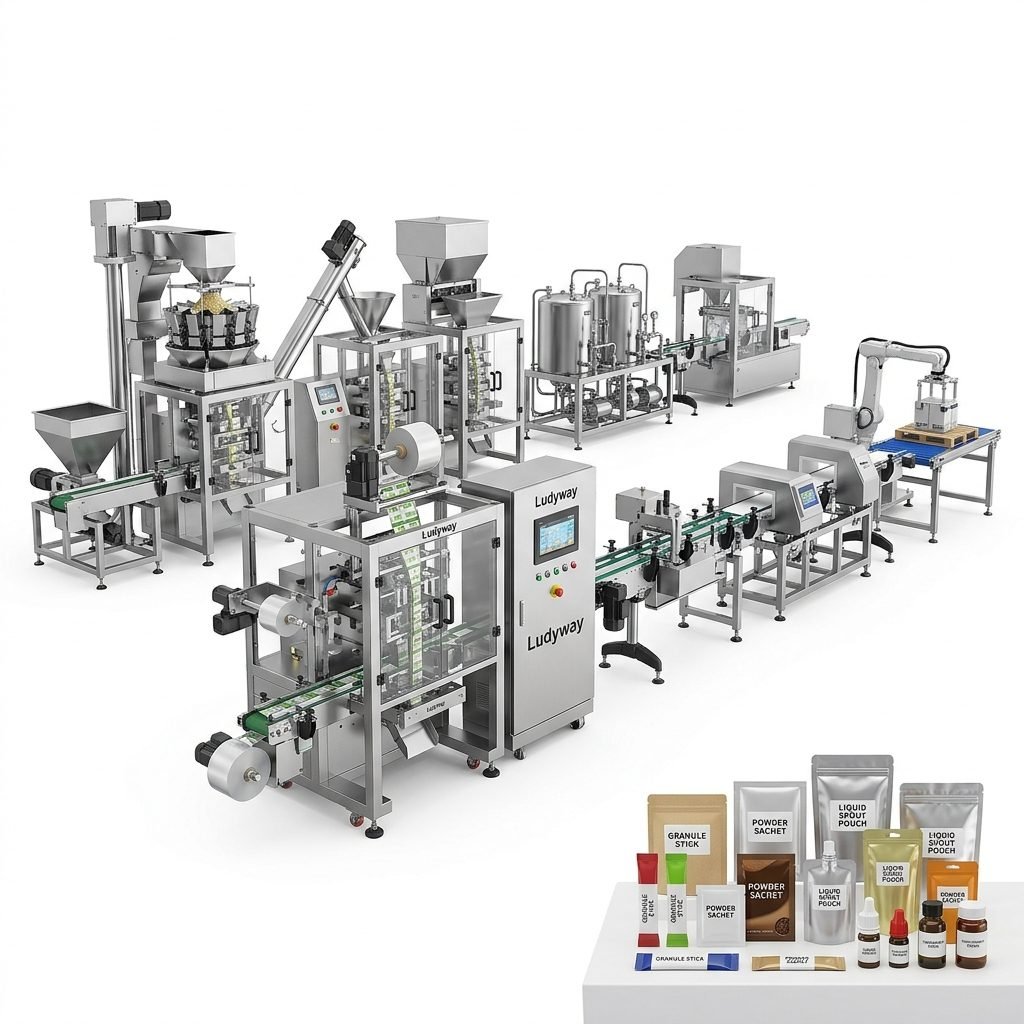
- Modular Turnkey Integration: Rather than operating in silos, individual units—such as multi-lane stick pack machines, cartoning systems, and checkweighers—are designed to operate as a single, cohesive ecosystem. This turnkey approach ensures smooth product transitions from raw bulk material to finished, palletized cartons.
Traditional vs. Smart Packaging Systems
The difference between older manufacturing setups and modern smart systems is vast. The following comparison highlights the key operational differences that drive companies to upgrade their facilities:
| Feature | Traditional Packaging Machinery | Smart Packaging Systems |
|---|---|---|
| Changeover Times | Manual and time-consuming; requires physical tool changes. | Rapid, recipe-based changeovers via digital touchscreens. |
| Data Connectivity | Isolated operations with no external data output. | Fully integrated with MES/ERP systems for real-time tracking. |
| Maintenance Strategy | Reactive; repaired only after a failure occurs. | Predictive; schedules maintenance based on actual wear data. |
| Quality Control | Manual sampling and post-production checks. | In-line vision inspection and automatic reject systems. |
Meeting Strict Industry Requirements
Different sectors impose distinct demands on packaging machinery. In the food and supplement industries, hygiene and contamination prevention are paramount. Smart machinery addresses this by incorporating sanitary washdown designs and automated clean-in-place (CIP) protocols. Additionally, high-precision dosing systems ensure that powder and liquid products are packaged with zero giveaway, preserving expensive raw materials.
In the pharmaceutical sector, regulations require absolute traceability. Smart packaging machines incorporate serialization systems that print and verify unique tracking codes on every individual sachet or carton. This ensures that every batch can be monitored throughout the entire distribution chain, protecting public health and simplifying compliance procedures.
The Path Forward for Global Manufacturers
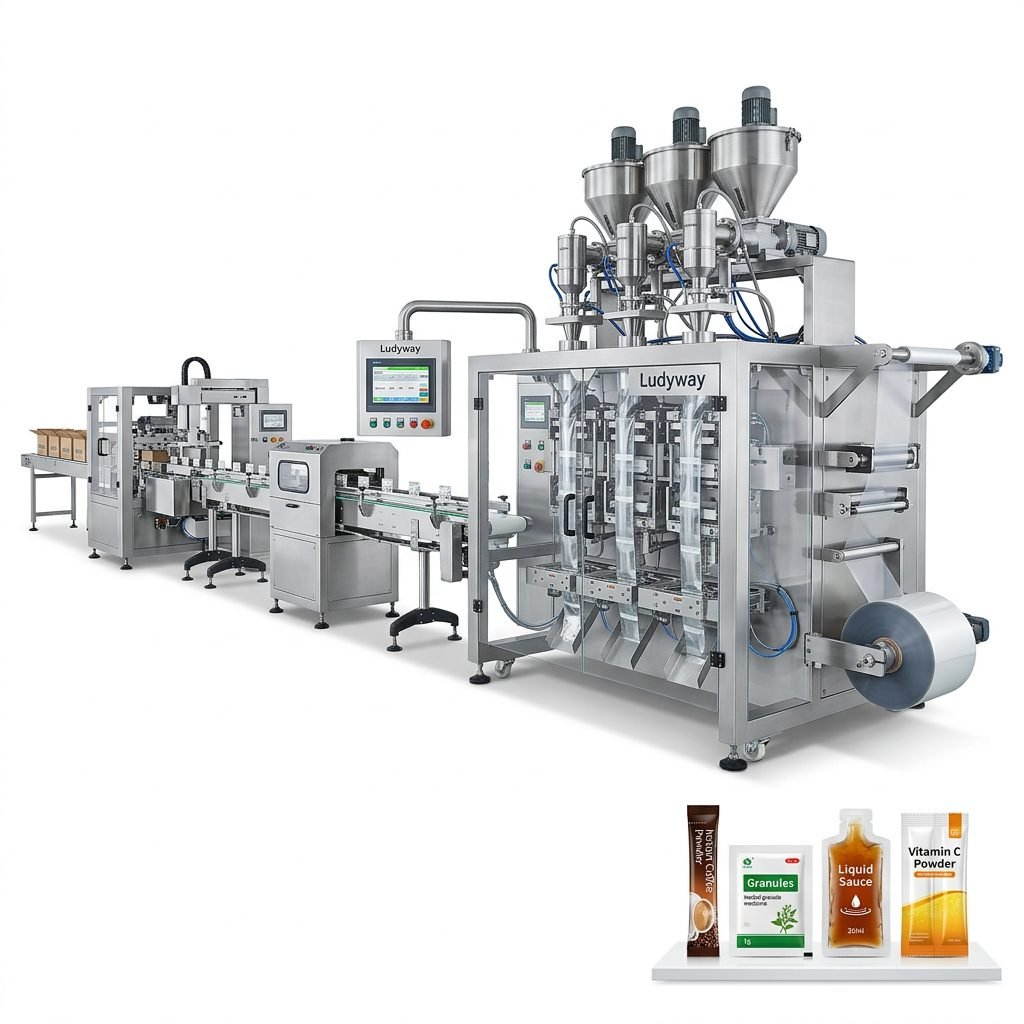
Transitioning to smart packaging is an evolutionary process. Many global buyers begin by upgrading key sections of their production line, such as replacing mechanical feeders with high-precision vibratory systems, before moving to fully integrated turnkey setups. As machinery builders continue to refine their software and hardware capabilities, the barrier to entry for smart technology continues to fall.
Ultimately, the transition from simple manufacturing to smart manufacturing is not merely about replacing older hardware; it is about adopting a digital mindset. Companies that embrace these automated, connected, and highly efficient systems are securing a significant competitive advantage, positioning themselves to meet the manufacturing challenges of tomorrow with ease.