In the modern packaging industry, maintaining product integrity is paramount. Whether handling food, pharmaceuticals, or chemical components, the threat of packaging failure poses a significant risk to businesses worldwide. Among these vulnerabilities, air leakage remains one of the most prominent issues. It causes premature oxidation, moisture absorption, contamination, and ultimately leads to shortened shelf life and costly product recalls. To combat these challenges, the introduction of a new class of high-performance heat sealing systems represents a major milestone in securing airtight packaging across global supply chains.
Traditional heat sealing methods often suffer from inconsistent temperature delivery and uneven pressure distribution. When sealing barrier film materials at high speeds, even a micro-millimeter gap or a slight fluctuation in heat can compromise the package barrier. This is particularly critical in vacuum-packed items or products containing delicate powders and liquids. By utilizing advanced thermal technologies, the latest high-performance heat sealing systems ensure that every seam is fused with precision, virtually eliminating the risk of micro-leaks.
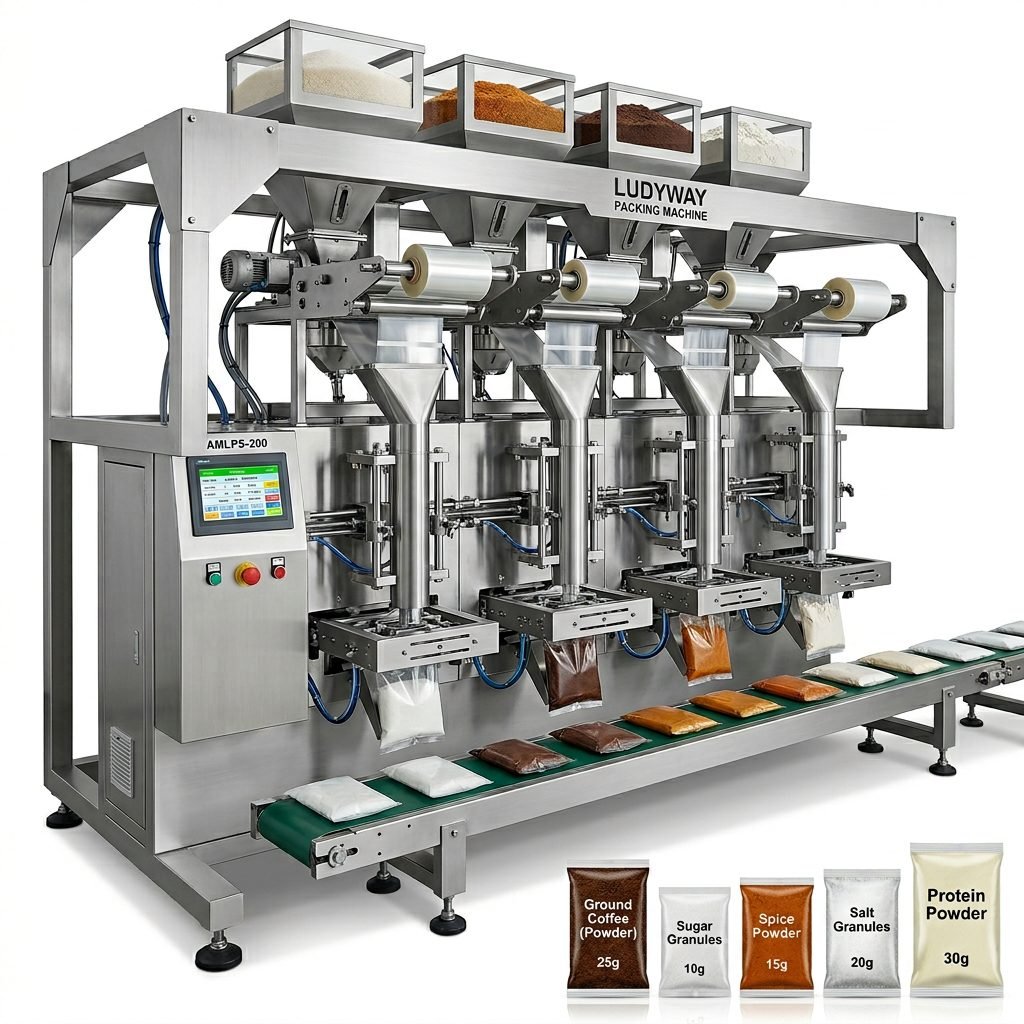
The Technology Behind Zero-Leakage Heat Sealing
The secret to achieving a perfect seal lies in the integration of intelligent temperature control and robust mechanical pressure calibration. Modern sealing systems employ PID (Proportional-Integral-Derivative) temperature regulators that keep heating jaws within a fraction of a degree of the target temperature. This prevents both under-sealing (which causes structural failures) and over-sealing (which melts or degrades the film layer).
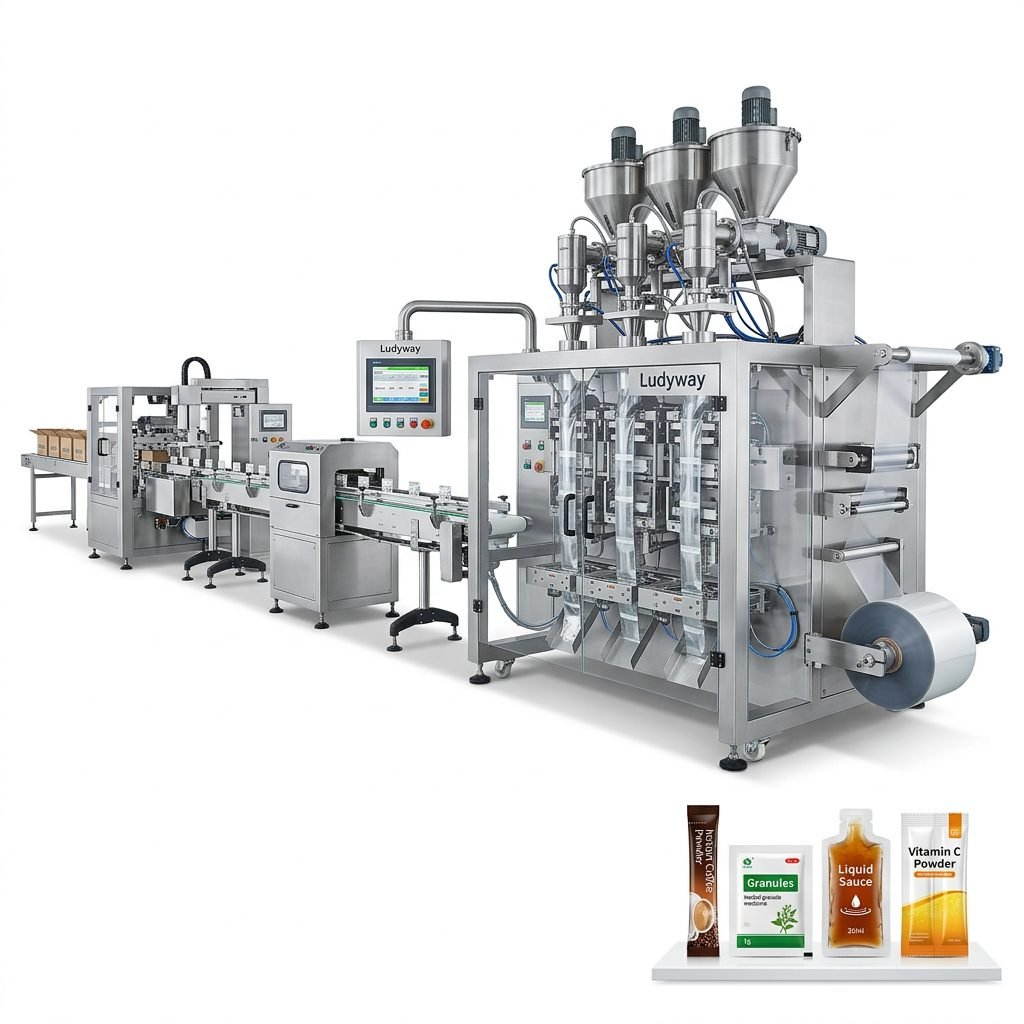
Additionally, high-performance heat sealing units feature pneumatic or servo-driven mechanical components that apply uniform pressure across the entire sealing surface. This is vital for multi-lane packaging structures where multiple sachets or stick packs are processed simultaneously. The synchronized pressure distribution ensures that the outer edges and the inner barriers receive identical sealing forces, guaranteeing high structural integrity across every single unit produced.
Key Features of the New Heat Sealing Packaging Machine
To meet the demands of fast-paced industrial environments, these machines are packed with features designed to optimize throughput and safety. Key highlights of the system include:
- Intelligent Thermal Profiling: Continuous monitoring of heating elements prevents heat dissipation during continuous high-speed runs.
- Multi-Material Compatibility: Easily seals laminated films, paper-foil barriers, biodegradable plastics, and co-extruded structures.
- Airtight Testing Integration: Compatible with inline inspection technologies to detect and reject flawed packages instantly.
- Sanitary Design: Smooth stainless-steel surfaces prevent powder build-up and facilitate easy washdown operations.
| Parameter | Specification | Industrial Benefit |
|---|---|---|
| Sealing Temp Range | 50°C – 300°C | Adaptable to diverse film thicknesses |
| Speed Capacity | Up to 80 cuts/min per lane | Optimizes manufacturing output |
| Control Interface | Touchscreen HMI | Simplifies operator calibration |
| Sealing Method | Constant Heat / Impulse | Protects heat-sensitive products |
Enhancing Production Efficiency with Turnkey Solutions
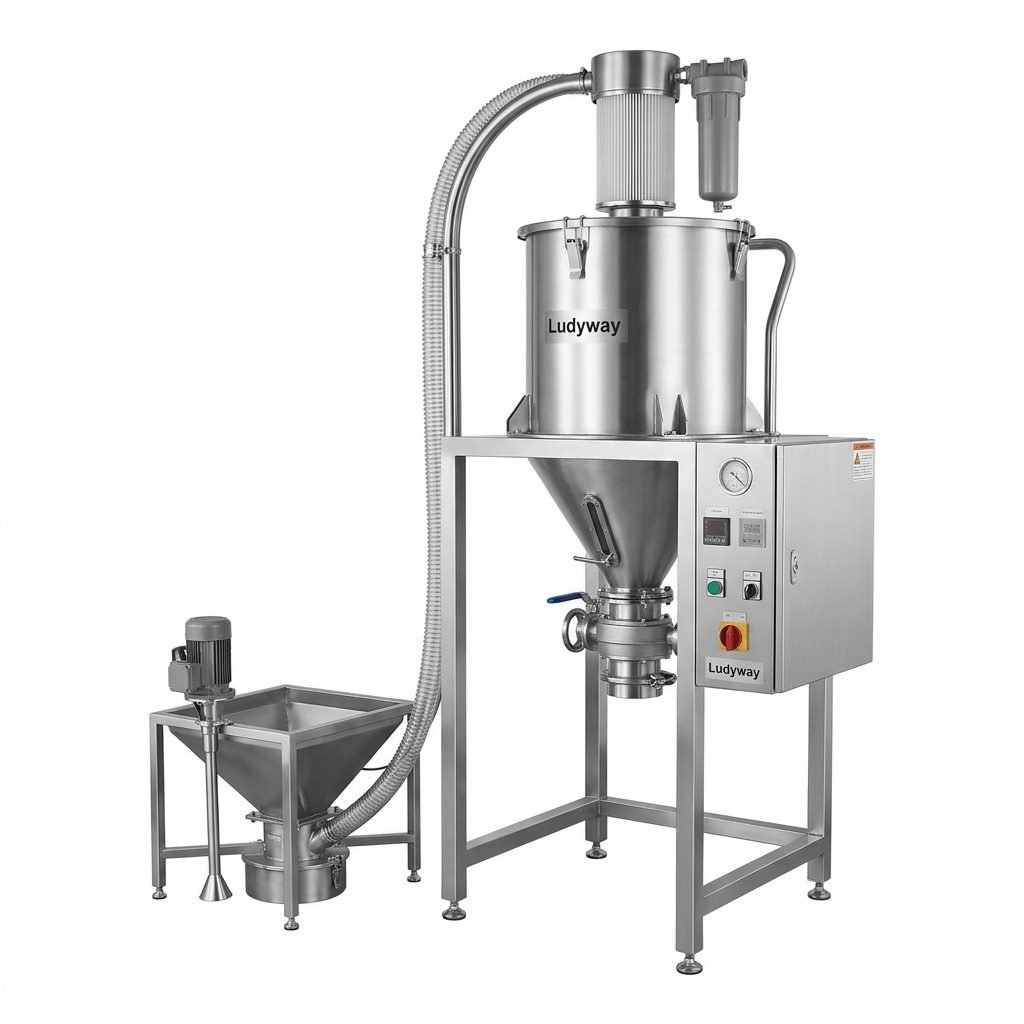
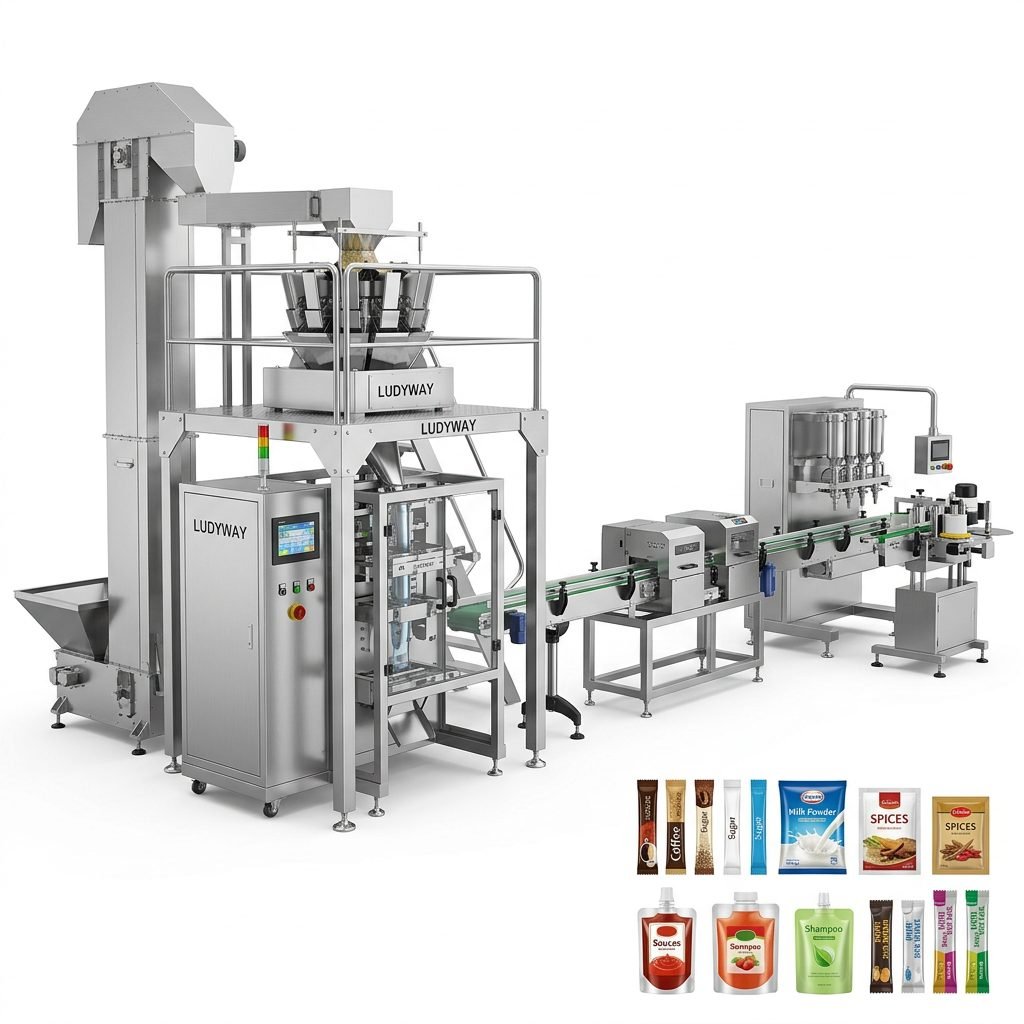
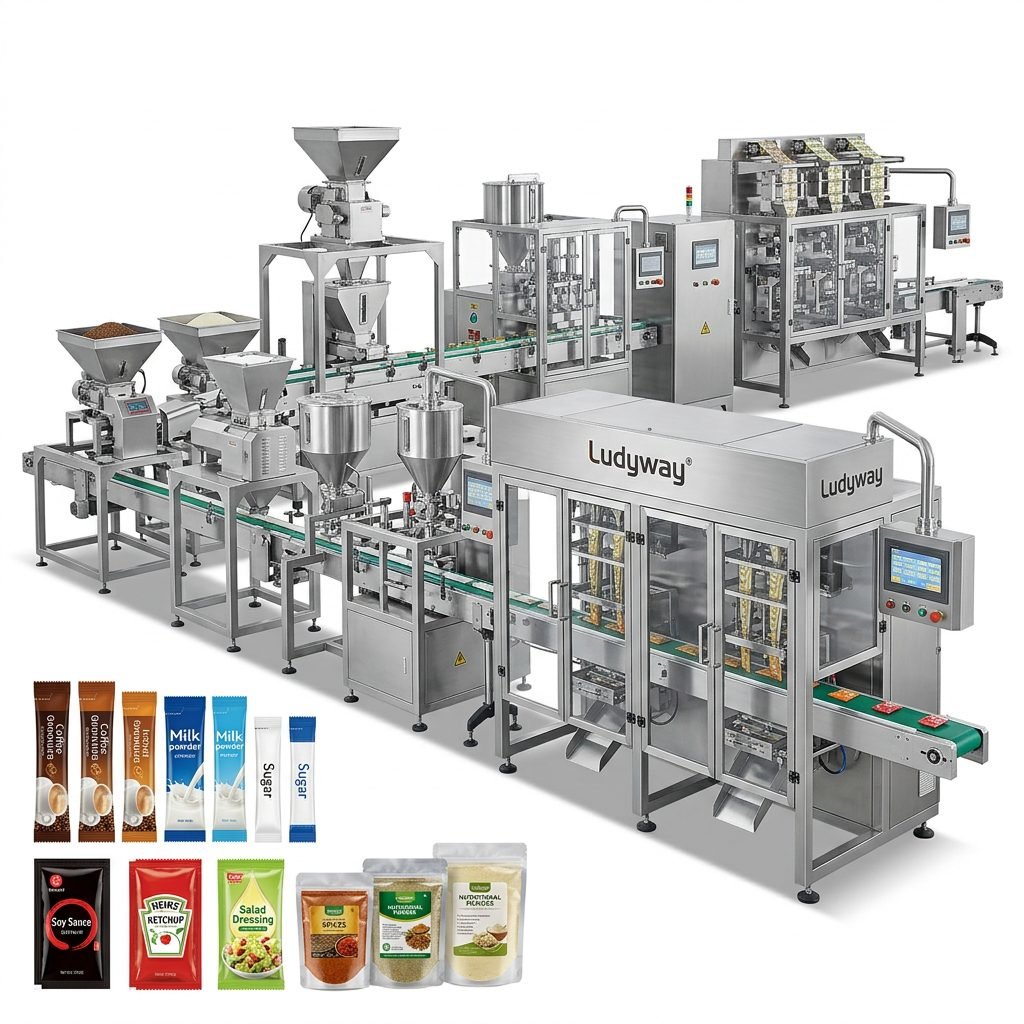
Deploying a standalone machine is often not enough to address all processing bottlenecks. Modern factories require fully integrated lines to synchronize feeding, filling, sealing, and cartoning. For businesses aiming to scale their production safely, partnering with an experienced manufacturer like Ludyway is a strategic move. As one of China’s leading packaging machine and turnkey packaging line manufacturers, they specialize in developing complete production systems that seamlessly integrate high-performance heat sealing with automatic dosing.
By utilizing a unified packaging machine system, enterprises can synchronize the speed of the product filler with the dwell time of the sealing jaws. This synchronization minimizes product dust or liquid residue from contaminating the seal area before the thermal fusion occurs—a common cause of air leakage in powder and paste packaging.
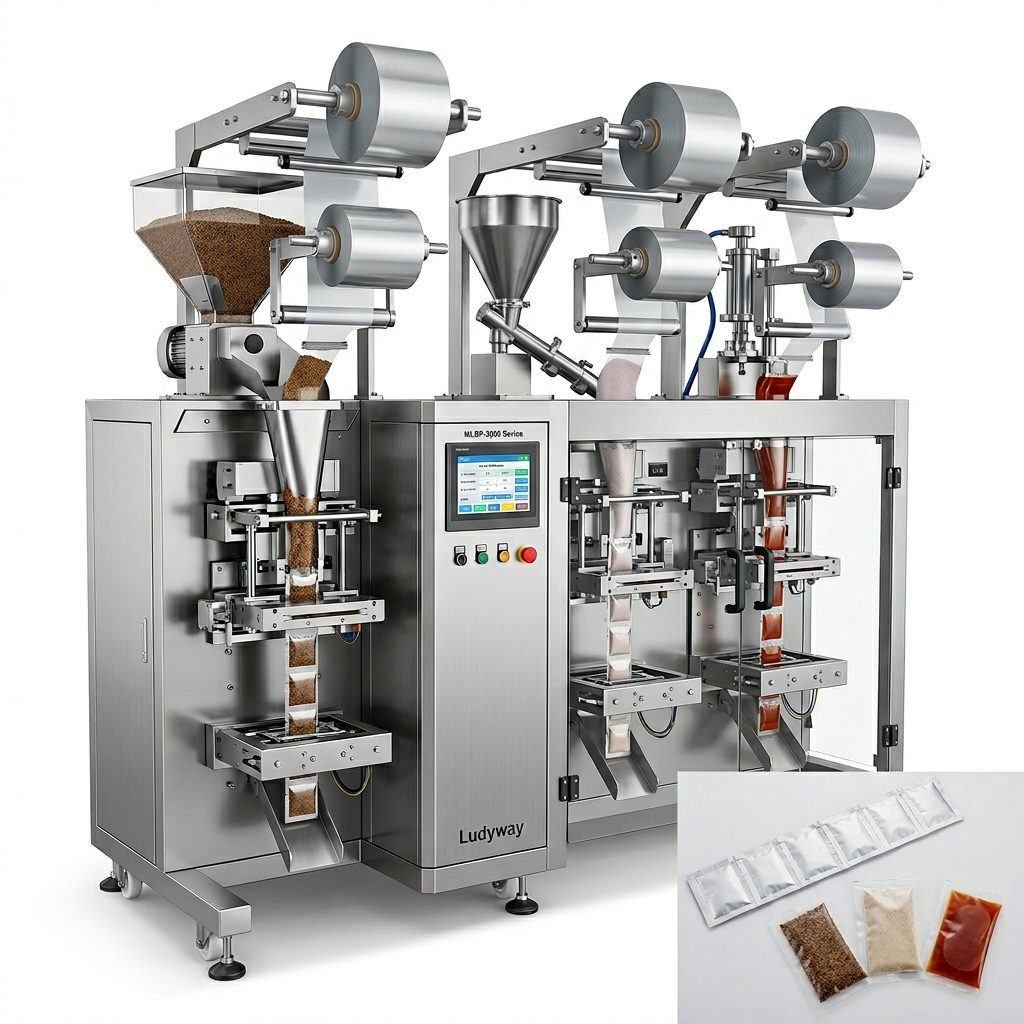
Diverse Industry Applications: From Food to Pharma
The demand for hermetically sealed packaging spans multiple high-stakes industries, each with its own regulatory standards. In the food sector, keeping atmospheric oxygen out of the pouch prevents lipid oxidation and mold growth. This is especially true for organic snacks, milk powders, and fresh-cut produce. Utilizing advanced Food Packaging Machines equipped with nitrogen-gas flushing systems allows manufacturers to replace oxygen with inert gas right before sealing, ensuring maximum freshness.
In the medical and pharmaceutical fields, seal integrity is a matter of safety. Sterilized medical devices, diagnostic test kits, and oral powders must remain completely isolated from ambient air to maintain their efficacy. Incorporating specialized Pharmaceutical Packaging Machines with thermal monitoring ensures validation compliance and guarantees that sterile barriers remain uncompromised from the factory floor to the clinic.
Furthermore, chemical and cosmetic sectors benefit from high-strength seals to prevent leaks during shipping. Heavy-duty detergents, liquid soaps, and active skin creams contain surfactants that can weaken poorly formed seals. The new heat-sealing technology stands up to chemical aggression, keeping active ingredients safely contained.
Global Impact and Market Demands
As consumer expectations rise globally, international regulatory bodies in Europe, North America, and the Middle East are tightening standards on food safety and product shelf life. Manufacturers must adapt by upgrading to machines that guarantee high repeatability and low defect rates. Modern automated lines, such as General Packaging Lines, provide the scalable architecture needed to handle rising demands without sacrificing quality.
Investing in high-performance heat sealing machines is not merely a technical upgrade; it is an investment in brand equity. By eliminating the risks associated with air leakage, manufacturers protect their products, satisfy international safety compliance, and build lasting trust with consumers worldwide.