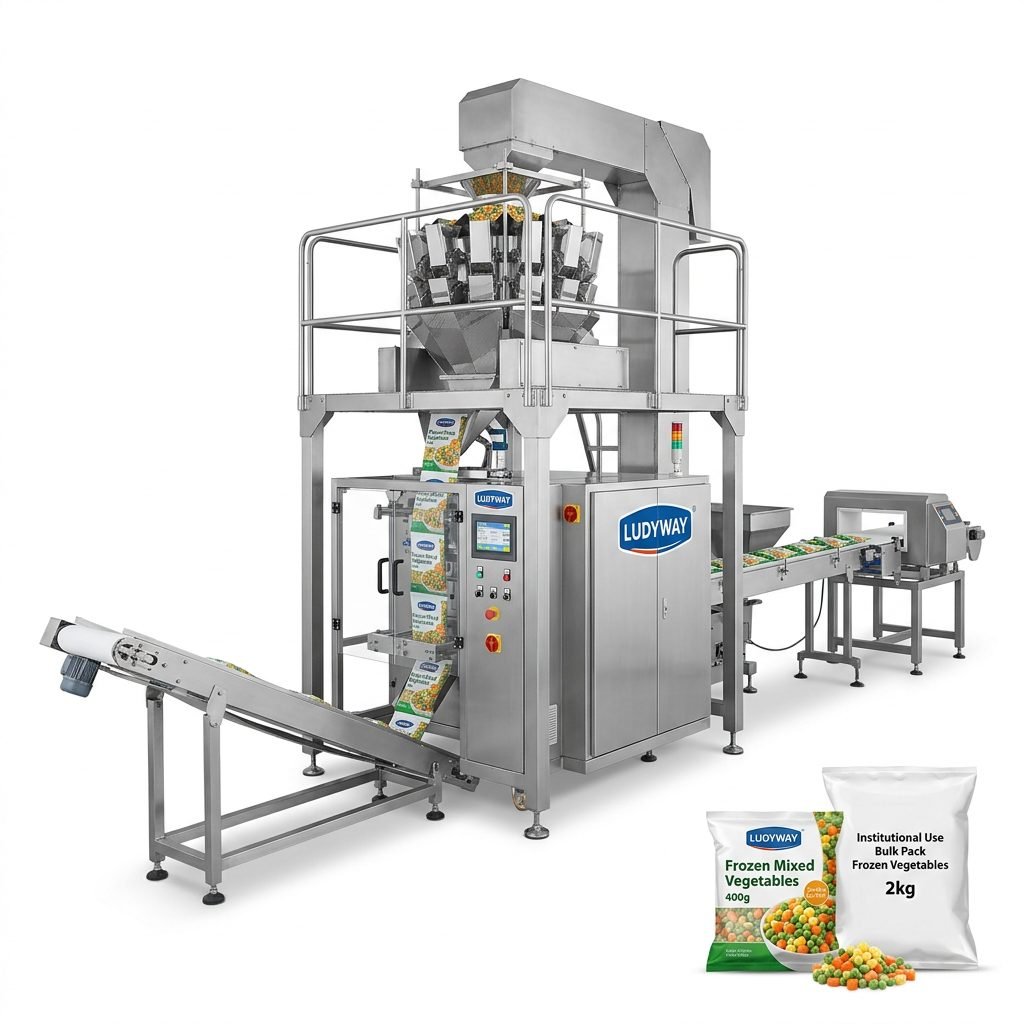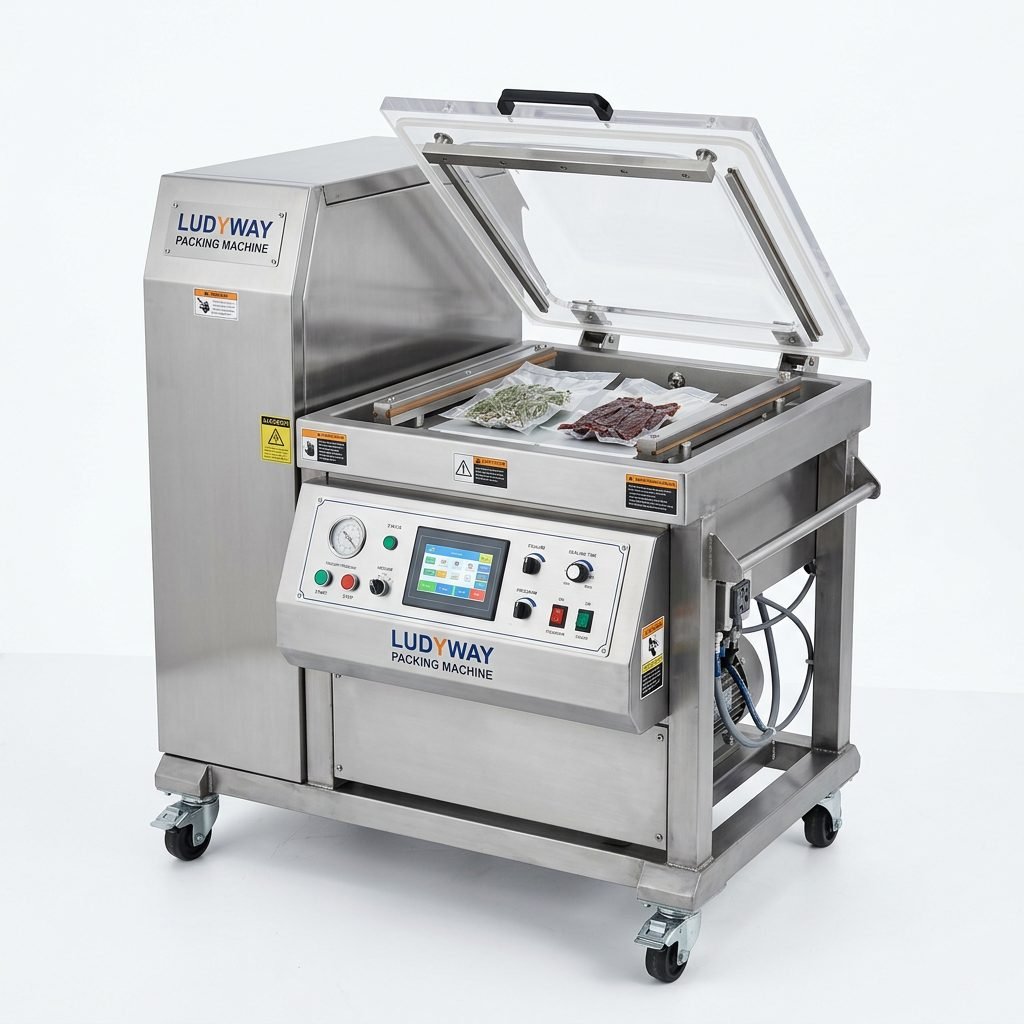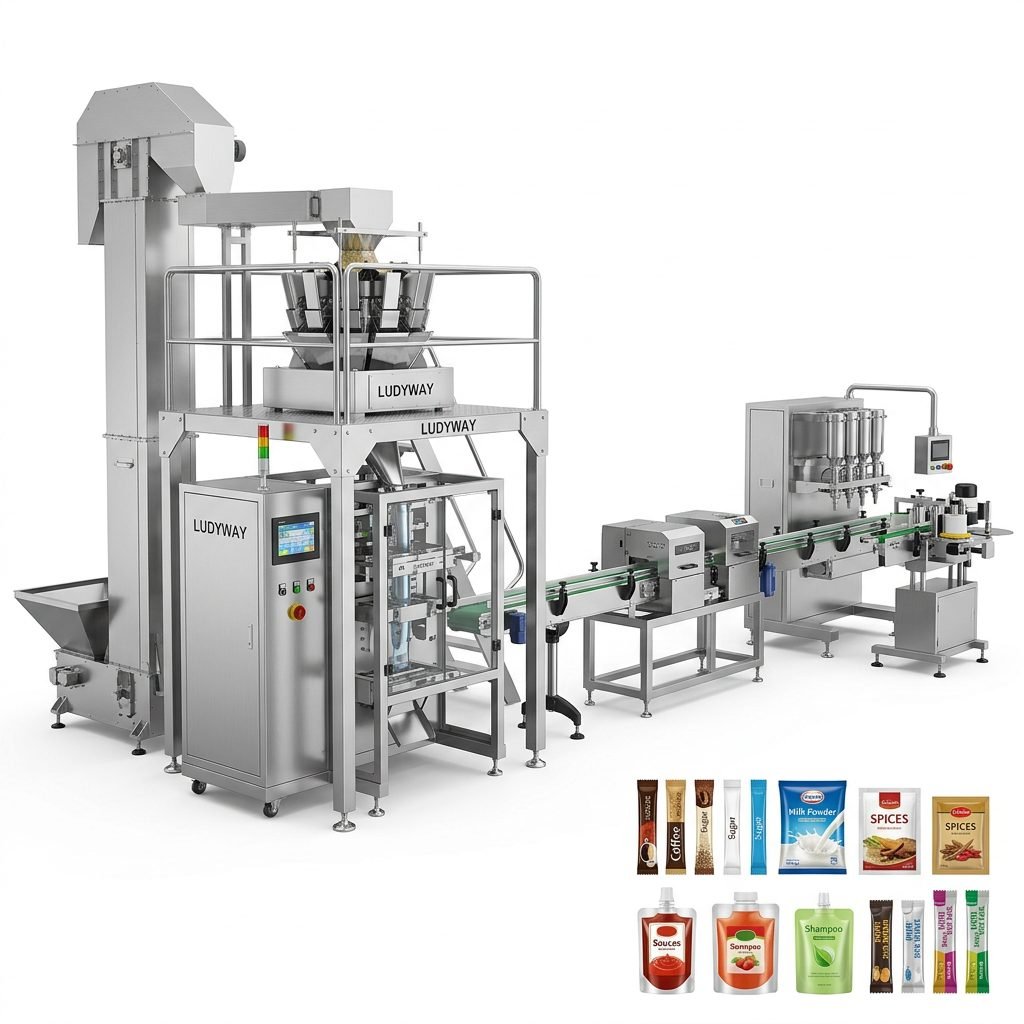
The global packaging landscape is undergoing a massive transformation driven by automation, strict traceability requirements, and rising quality control standards. Historically, manufacturing facilities operated with isolated machinery, where forming, filling, sealing, coding, and labeling were treated as separate steps with manual transfers in between. This fragmented workflow introduced vulnerabilities—such as human errors, packaging misalignments, batch record mistakes, and lower overall equipment effectiveness (OEE). Today, the integrated packaging upgrade has emerged as the definitive standard. By merging online coding, precision labeling, and packaging machines into unified, automated lines, businesses are achieving unprecedented levels of efficiency and traceability.
The Shift to Integrated Systems
Modern production demands speed and agility. An integrated system manages the entire lifecycle of a package in a continuous, uninterrupted flow. From the moment raw materials (powders, granules, liquids, or pastes) are fed into the system, to the final labeled sachet or carton, every step is controlled by a synchronized central control system. This eliminates transition lag, reduces product handling, and minimizes the risk of contamination, making it highly valuable for industries with strict sanitary standards.
Why Online Coding is Non-Negotiable
Online coding refers to printing crucial product data directly onto the packaging material during the packaging cycle. This includes expiry dates, manufacturing dates, batch numbers, QR codes, and barcodes. Using advanced thermal transfer overprinting (TTO) or continuous inkjet systems integrated right onto the packaging film path, coding occurs milliseconds before the pouch is formed and sealed. This real-time synchronization ensures that every single unit carries accurate information, eliminating the risk of pre-printed film mismatches.
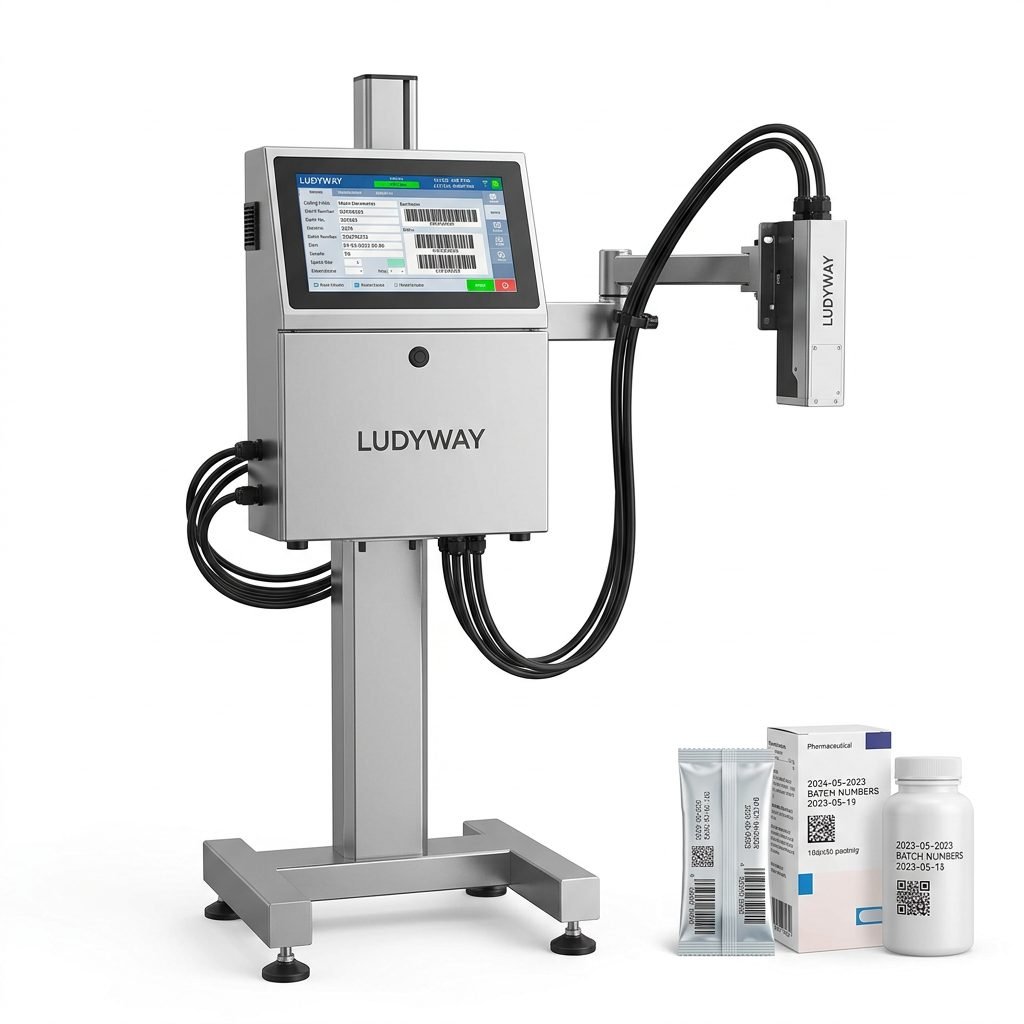
In sectors like pharmaceuticals and food processing, where regulatory compliance is exceptionally strict, online coding is essential for rapid product recalls and supply chain transparency. If a defect is found, manufacturers can trace the exact minute, batch, and machine line responsible for the run, saving millions in potential liability.
Precision Labeling System Integration
Once a product is packaged, applying the correct label with high precision is the next critical milestone. Modern integrated packaging lines feature inline labeling systems that handle diverse package formats, from flat sachets and round bottles to flexible stick packs. These labeling units run in perfect sync with the packaging speed. Using optical sensors, the system detects the exact position of the package and applies the label without wrinkles or bubbles.

Advanced systems also include vision inspection units that immediately reject any package with a misaligned or missing label, ensuring that only flawless products reach the shipping stage. By combining the packaging machine directly with the labeling unit, the physical footprint of the production line is reduced, and the risk of labeling bottlenecks is virtually eliminated.
Comparing Traditional vs. Integrated Workflows
To understand why this upgrade has become the industry standard, it is helpful to compare the two main operational setups:
| Feature | Traditional Setup | Integrated Turnkey Line |
|---|---|---|
| Workflow Speed | Segmented, prone to bottlenecks between steps | Continuous, synchronized flow |
| Error Rate | Higher risk of manual errors and misalignment | Automated verification and rejection |
| Floor Space | Large footprint with multiple conveyor transfers | Compact, unified machine footprint |
| Traceability | Difficult batch tracking, manual recording | Instant online coding and database sync |
Key Advantages of Upgrading to Integrated Lines
- Maximum Operational Efficiency: Eliminating manual handling between steps dramatically increases throughput and reduces production downtime.
- Reduced Footprint: Combining multiple functions into one turnkey line saves valuable cleanroom and factory floor space.
- Lower Labor Costs: Automated systems require fewer operators, allowing human resources to be redirected to higher-value quality assurance tasks.
- Enhanced Data Integrity: Centralized controls make it easier to upload batch information, change printing templates, and track system diagnostics.
Turnkey Solutions for Global Markets
Implementing an integrated packaging upgrade requires expert engineering and a deep understanding of mechanical synchronization. Off-the-shelf components from different vendors often lead to compatibility issues, communication lags, and prolonged integration times. This is why global manufacturers look for reliable turnkey providers who can design and assemble the entire system under one roof.
As a pioneer in this space, Ludyway has spent over three decades developing state-of-the-art automatic packaging systems. By offering custom-designed, fully integrated lines that combine multi-lane packaging with advanced online marking and labeling systems, they help businesses transition smoothly to modern automation. Whether handling delicate pharmaceuticals, food granules, or cosmetic liquids, their turnkey systems ensure that every machine works in perfect harmony, reducing installation times and maximizing long-term reliability.
Future Outlook: The Intelligent Factory
Looking ahead, the integration of coding, labeling, and packaging is set to become even smarter. With the rise of IoT (Internet of Things) and AI-driven vision systems, future packaging lines will not only execute commands but also self-correct. For instance, if an online coding system detects a faint print, it will automatically adjust the ink viscosity or laser intensity without stopping the line. Similarly, predictive maintenance sensors will alert operators when a labeling roll is running low or a component requires lubrication. Embracing these integrated technologies is no longer just an option for growth—it is the new standard for staying competitive in a highly demanding global market.