The global cold chain logistics network is undergoing a significant transformation, driven by shifting consumer preferences and the rapid expansion of fresh food e-commerce. Today, consumers demand fresh, organic, and minimally processed foods, yet they expect these products to be available year-round, regardless of regional seasons. To meet these high expectations, logistics providers and food manufacturers are looking beyond traditional refrigeration techniques. They require advanced technologies that actively delay biological decay, preserve nutritional value, and maintain the original quality of perishable goods during transit. This critical need has sparked a massive surge in global demand for Modified Atmosphere Packaging (MAP) machines, cementing their role as a vital pillar of modern cold chain infrastructure.
The Evolution of Freshness Preservation in Cold Chains
Traditional cold storage relies heavily on temperature control to slow down bacterial growth and enzymatic decay. However, temperature management alone is often insufficient for long-distance transport, especially when products face variable climates during cross-border shipping. Temperature fluctuations can occur at transfer points, leading to condensation, accelerated spoilage, and massive food waste. To combat these challenges, the logistics sector has integrated MAP technology into their operations. By combining precise temperature controls with a customized protective gas atmosphere inside the packaging, manufacturers can dramatically extend the shelf life of fresh products, ensuring they reach retail shelves in optimal condition.
Understanding Modified Atmosphere Packaging (MAP)
Modified Atmosphere Packaging is a sophisticated preservation method that involves altering the composition of the internal atmosphere of a package. Typically, the ambient air—which consists of roughly 21% oxygen, 78% nitrogen, and trace gases—is extracted and replaced with a precisely formulated mixture of gases. The most common gases used in this process are carbon dioxide (CO2), nitrogen (N2), and oxygen (O2). Each gas serves a unique structural and preservation function. For instance, carbon dioxide acts as an effective inhibitor of aerobic bacteria and mold growth, while nitrogen acts as an inert filler gas to prevent packaging collapse. Oxygen, though often minimized to prevent oxidation, is selectively utilized to maintain the vibrant red color of fresh meats or to support the respiration of fresh-cut fruits and vegetables.
Key Drivers of the Surging Demand for MAP Technology
Several market dynamics are fueling the widespread adoption of MAP systems within the food and logistics industries:
- Extended Shelf Life: By optimizing the internal gas composition, MAP can double or even triple the shelf life of perishable items compared to standard packaging methods. This extension allows producers to optimize production schedules and reduce distribution frequency.
- Retention of Quality and Appearance: Unlike freezing, which can alter food texture and lead to moisture loss upon thawing, MAP maintains the natural texture, color, and nutritional profile of foods. This is particularly crucial for premium fresh meats, seafood, and ready-to-eat meals.
- Elimination of Chemical Preservatives: Modern consumers favor clean labels with fewer chemical additives. MAP naturally protects food from spoilage, eliminating the need for artificial preservatives and aligning perfectly with health-conscious consumer trends.
- Expansion of Export Opportunities: With extended product shelf life, manufacturers can confidently ship goods to distant domestic markets and international destinations via sea freight instead of expensive air freight, lowering overall logistics costs.
Application of MAP Across Diverse Food Sectors
Different perishable goods require specific gas ratios to maximize their shelf-life potential. The table below details the typical gas mixtures applied across various food categories in the logistics industry:
| Food Category | Typical Gas Composition | Primary Preservation Mechanism |
|---|---|---|
| Red Meat (Beef, Pork) | 70-80% O2, 20-30% CO2 | High oxygen maintains the red color of myoglobin, while carbon dioxide suppresses bacterial growth. |
| Poultry & Fresh Fish | 50-80% CO2, balance N2 | Excludes oxygen to prevent rancidity and suppresses aerobic microorganisms. |
| Fresh Produce | 3-10% O2, 3-10% CO2, balance N2 | Reduces respiration rate, delaying senescence and enzymatic browning. |
| Cheese & Bakery Products | 50-100% CO2 or N2 | Prevents mold development and fat oxidation, preserving texture. |
The Critical Role of Automation in MAP Operations
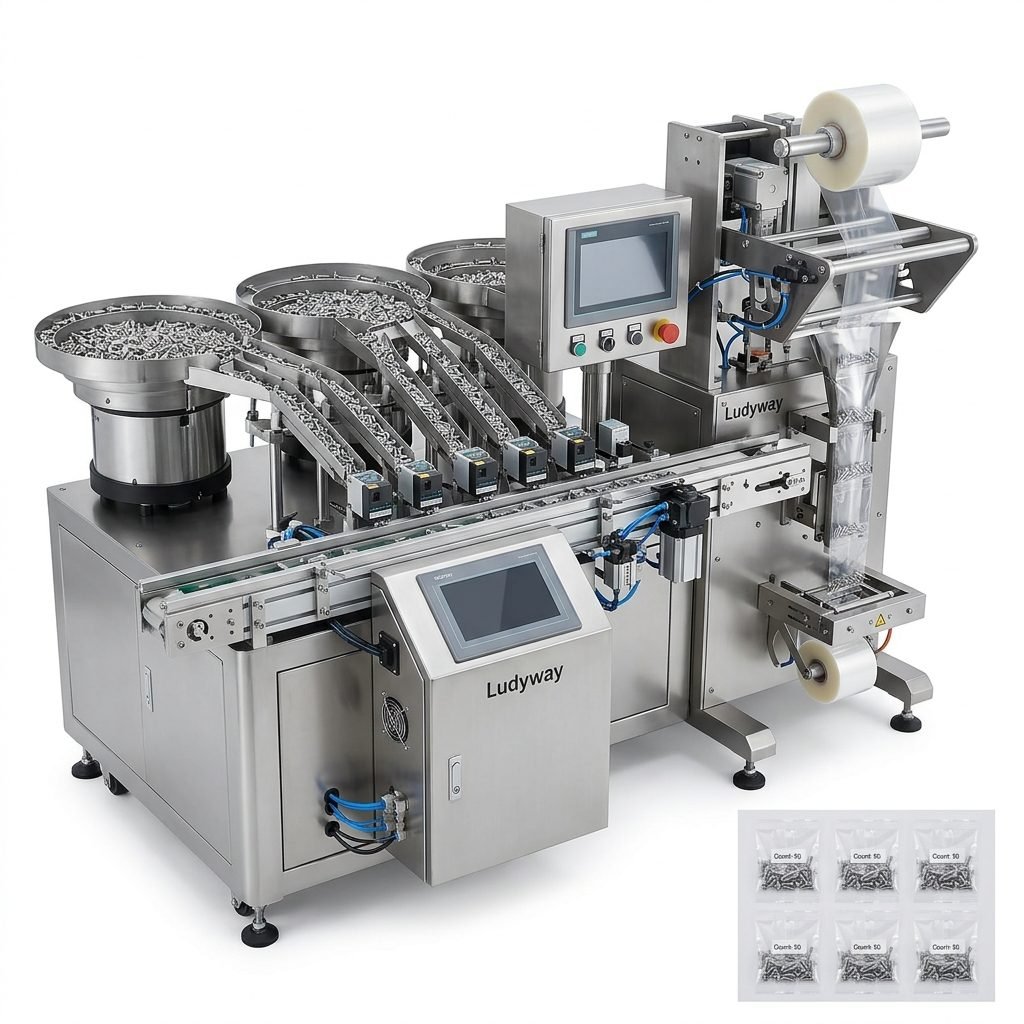
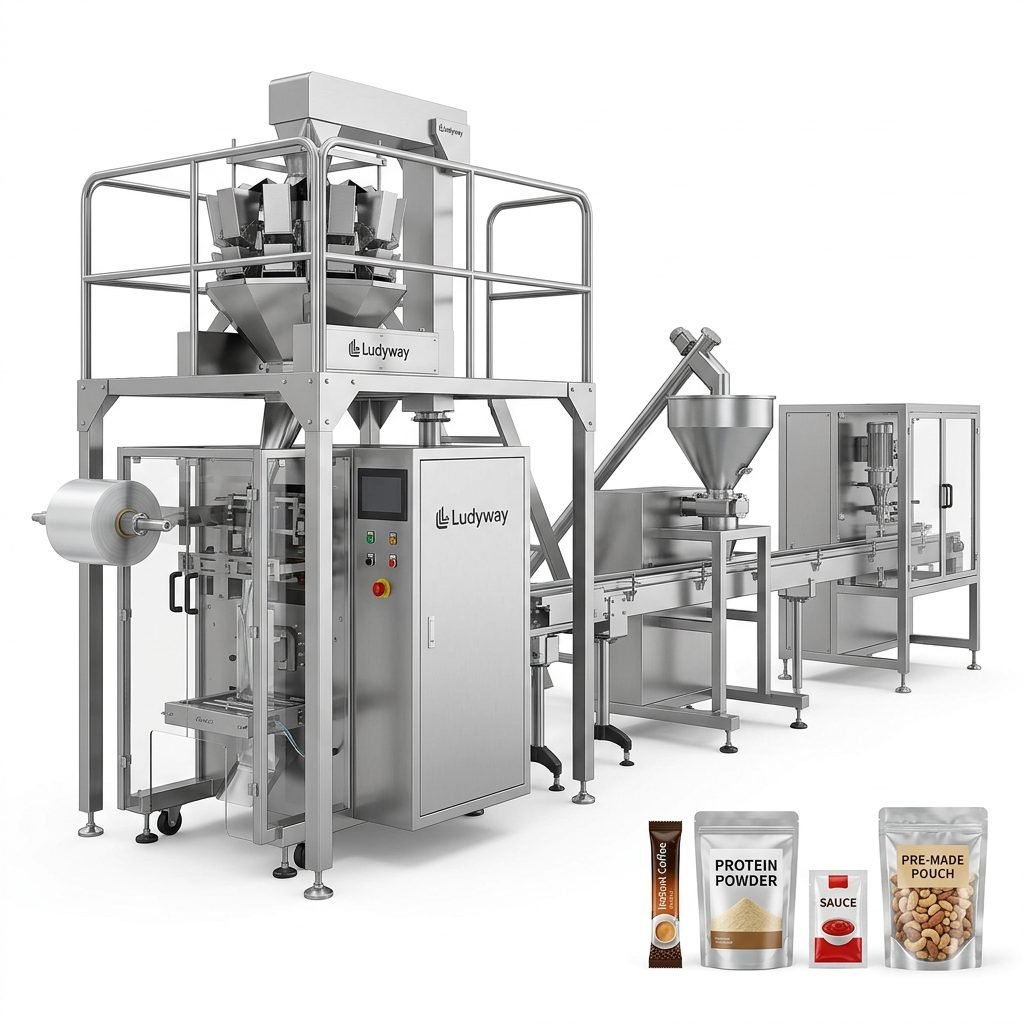
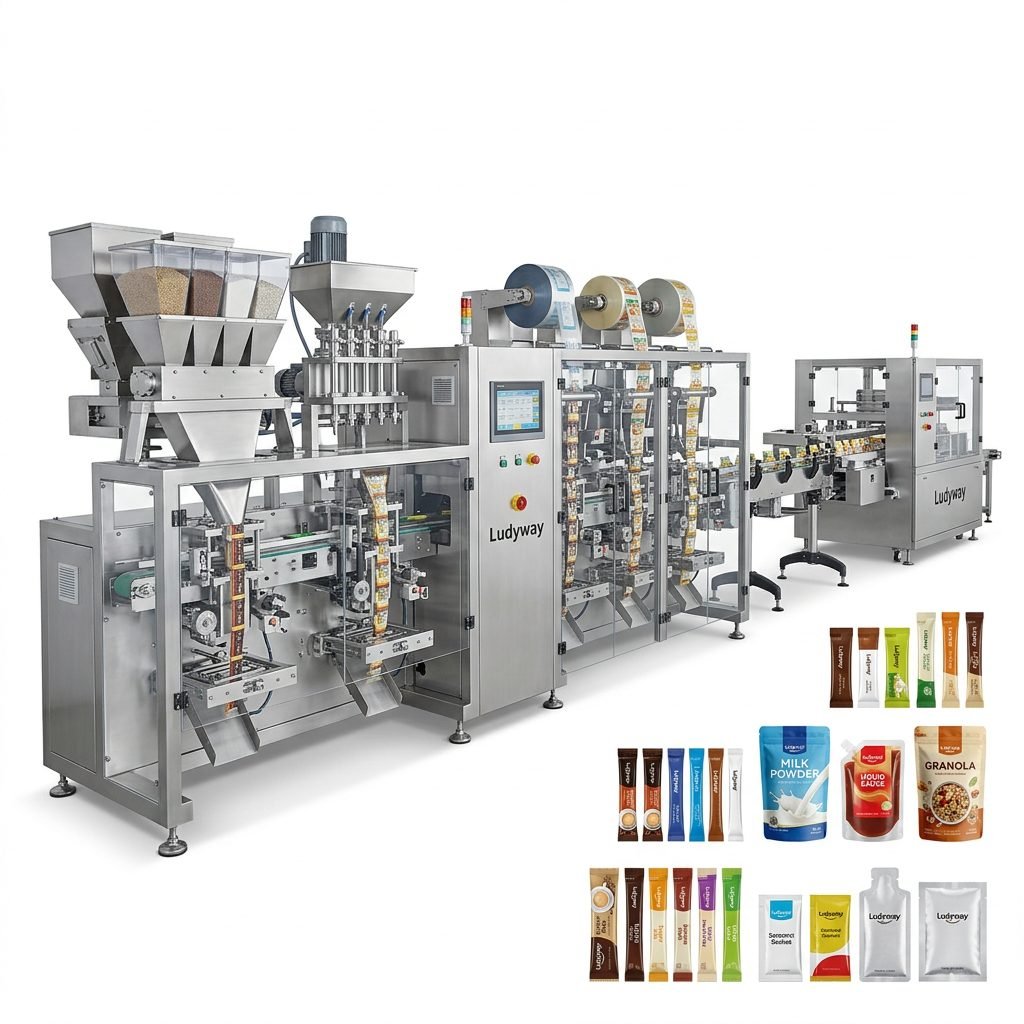
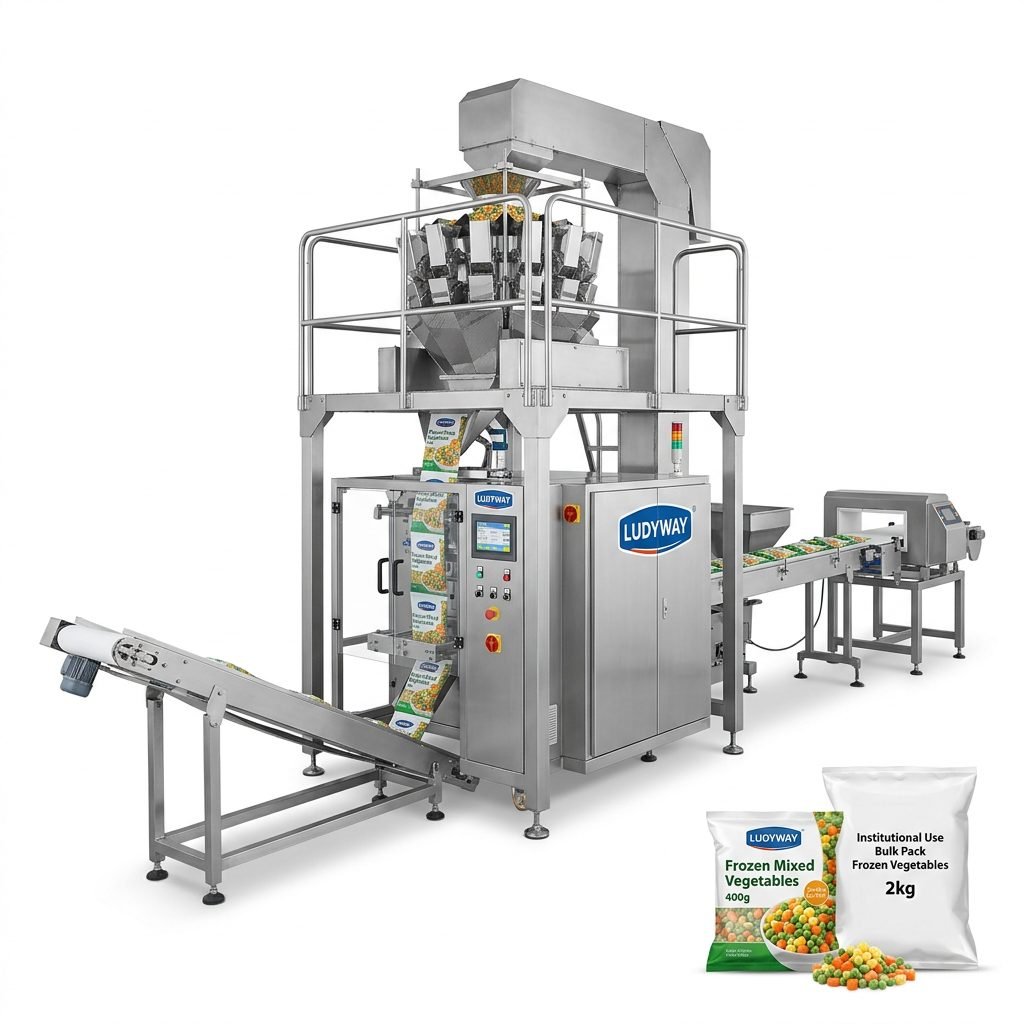
Implementing MAP at an industrial scale requires high precision and robust automation. Because gas mixtures must remain consistent to guarantee preservation, packaging machinery must deliver airtight seals and precise gas flushing under high-speed conditions. Modern processors are increasingly moving away from standalone machines in favor of fully integrated packaging lines. Leading manufacturers like Ludyway food packaging machines have pioneered advanced packaging solutions that combine automatic weighing, multi-lane filling, precise gas dosing, and reliable heat sealing. With over 30 years of industry experience, they provide the exact precision and speed required to prevent gas leakage and ensure product consistency across long-haul supply routes.

Optimizing Supply Chain Costs with Modern MAP Integration
In addition to quality retention, MAP offers significant cost benefits across the entire logistics chain. Extended shelf life reduces the urgency of delivery, allowing logistics companies to optimize their routes and switch from high-cost, fast-transit solutions to more economical sea or rail transport. Retailers also benefit from reduced product shrink, meaning fewer discarded items at the point of sale. By utilizing reliable modified atmosphere sealing equipment, food processing companies can significantly lower operational waste, resulting in higher profitability and a more sustainable, resilient global food supply chain.
Future Trends: Smart Integration and Eco-Friendly Films
Looking ahead, the integration of MAP with smart technology is set to redefine cold chain logistics. Researchers are developing intelligent packaging films embedded with color-changing sensors that indicate gas leaks or temperature abuse during transit. This real-time monitoring capability allows logistics managers to identify and resolve supply chain issues before products reach retailers. Additionally, as global regulatory frameworks demand greener operations, the industry is transitioning toward biodegradable and recyclable barrier films that match the gas-retention performance of traditional plastics. This combination of smart sensing, sustainable materials, and advanced MAP machinery will continue to drive efficiency and safety in the global cold chain logistics market.