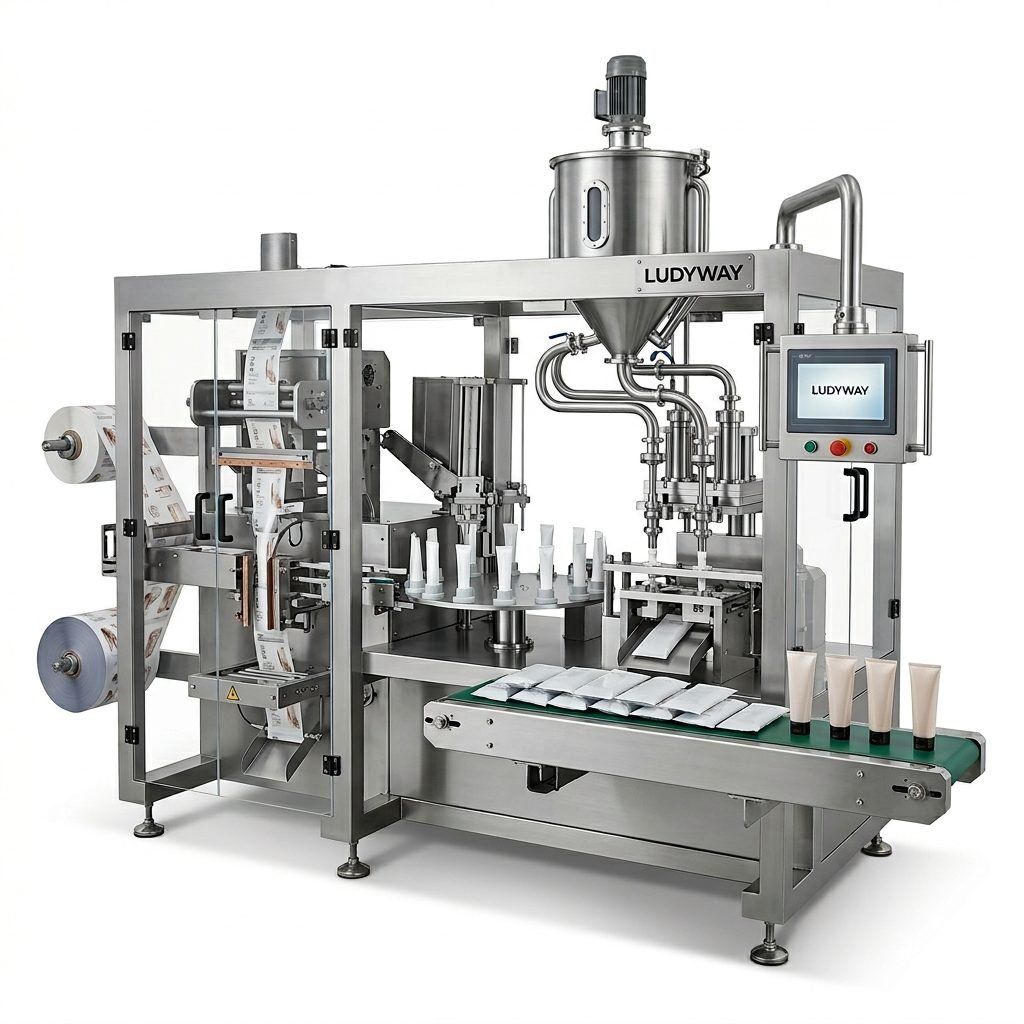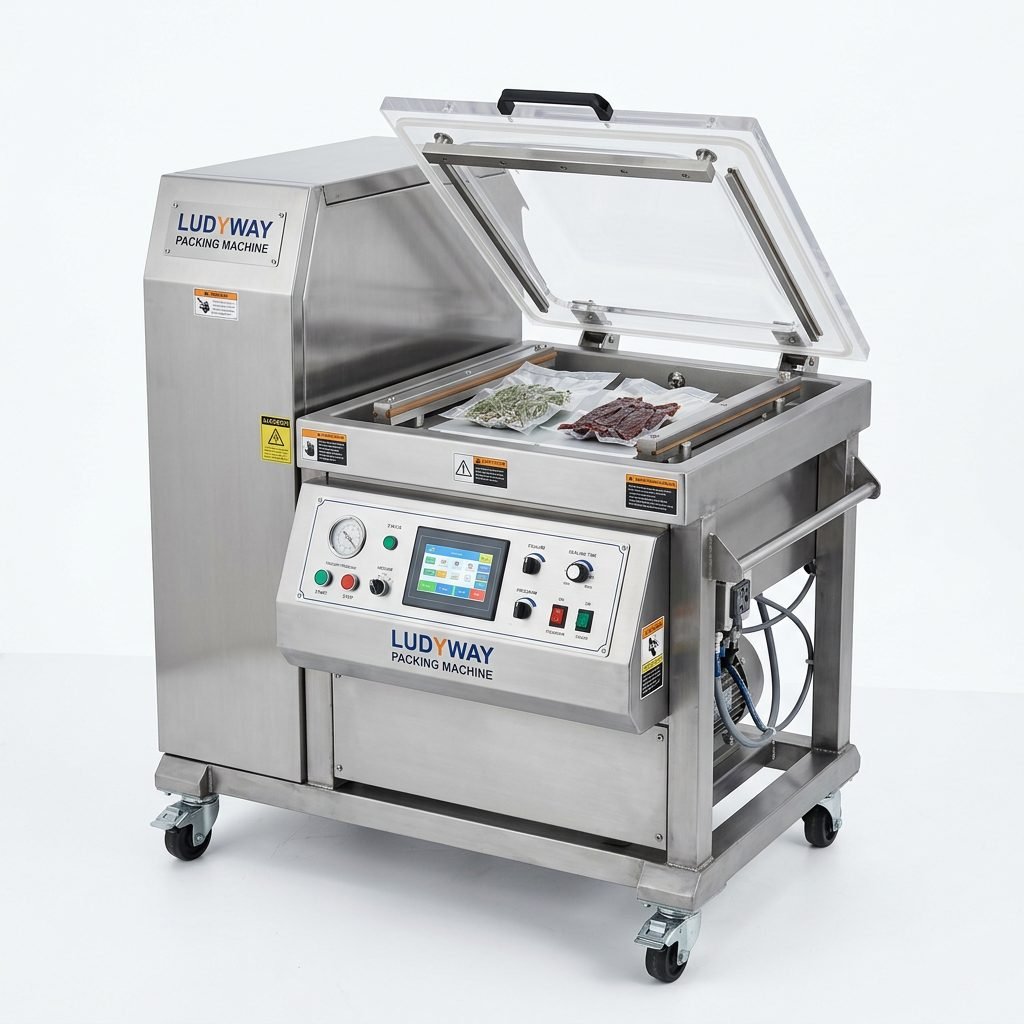
A zipper packing machine is designed to fill, seal, and finish resealable pouches with consistent speed and precision. These machines are widely used for food, pharmaceuticals, supplements, cosmetics, pet products, and household goods because zipper pouches combine shelf appeal with practical convenience. For manufacturers aiming to reduce labor costs, improve sealing consistency, and scale output, a zipper pouch solution can be a highly effective investment.

What Is a Zipper Packing Machine?
A zipper packing machine is an automated packaging system that handles zippered premade pouches or forms pouches with a zipper feature, then fills them with product and seals the package. Depending on the application, the machine can process powders, granules, liquids, pastes, tablets, snacks, coffee, detergents, nutrition products, and more.
The core purpose is simple: produce attractive, easy-to-open, easy-to-reclose packaging while maintaining product protection, accurate fill weights, and stable throughput.
Common pouch types include:
- Stand-up zipper pouches
- Flat zipper pouches
- Doypack pouches
- Three-side seal pouches with zipper
- Quad seal or specialty resealable pouches
How a Zipper Packing Machine Works
Although machine structures vary by model, most zipper pouch systems follow a similar process. The workflow below helps buyers understand what happens from pouch loading to finished package discharge.
1. Pouch feeding
Premade pouches are loaded into the machine magazine. The system automatically picks each pouch and transfers it to the working stations.
2. Pouch opening
Vacuum suction or mechanical grippers open the pouch mouth. For zipper bags, the machine must handle the pouch carefully to avoid deformation and ensure proper alignment before filling.
3. Zipper preparation and positioning
The pouch is stabilized so the zipper area remains correctly positioned. This step is important because poor alignment can affect sealing quality and pouch appearance.
4. Product filling
The filling device is selected according to product characteristics:
- Auger filler for powders
- Multi-head weigher for granules and snacks
- Piston filler for creams and pastes
- Liquid pump filler for free-flowing liquids
- Counting system for tablets, capsules, or hardware parts
5. Settling and cleaning
After filling, the machine may shake or settle the product to improve pouch shape. Dust extraction or edge cleaning systems can also be used, especially for powders, to keep the sealing area clean.
6. Sealing
Heat sealing closes the open top area above the zipper. Some machines also include zipper pressing, air removal, nitrogen flushing, or vacuum-assisted functions depending on product needs.
7. Coding and inspection
Optional devices print batch codes, dates, or traceability information. Checkweighers, vision systems, and metal detectors may be added for quality control.
8. Finished pouch discharge
The completed pouch is discharged for downstream cartoning, case packing, or manual collection.
Typical process overview
| Process Step | Main Function | Why It Matters |
|---|---|---|
| Pouch Feeding | Separates and transfers premade pouches | Ensures stable production flow |
| Pouch Opening | Opens bag mouth for filling | Prevents product spillage and misfill |
| Filling | Dispenses product into pouch | Controls fill accuracy and speed |
| Sealing | Seals top area above zipper | Protects freshness and product integrity |
| Inspection | Checks weight, code, and seal quality | Reduces rejects and customer complaints |

Main Components of a Zipper Pouch Packing System
A high-performance zipper packing machine is usually made up of multiple coordinated modules. Understanding these parts helps buyers evaluate build quality and application fit.
- Pouch magazine and pick-up unit: supplies pouches one by one
- Pouch opening station: opens and stabilizes the bag
- Filling system: chosen based on product type
- Sealing jaws: create strong, uniform top seals
- Control system: PLC and touchscreen for operation and recipe settings
- Conveyors and discharge units: transfer finished packs smoothly
- Optional inspection devices: checkweigher, metal detector, X-ray, vision inspection
Benefits of Using a Zipper Packing Machine
Rising labor costs, stricter quality requirements, and stronger consumer expectations are driving more manufacturers toward resealable pouch automation. Below are the main advantages.
Improved packaging convenience
Zipper bags allow consumers to open and reclose the package multiple times. This adds value for products like snacks, powders, coffee, pet treats, and supplements.
Higher production efficiency
Compared with manual or semi-automatic operations, an automated zipper pouch machine can deliver faster output and more stable cycle times, especially in medium- to high-volume production.
Better sealing consistency
Machine-controlled temperature, pressure, and dwell time improve seal quality, which is essential for leak prevention and shelf-life protection.
Reduced labor dependency
Automation lowers the need for manual filling, pouch handling, and sealing. This can help factories manage workforce shortages and improve operational consistency across shifts.
Lower product waste
Accurate dosing and stable pouch positioning reduce underfill, overfill, spills, and defective seals.
Better shelf presentation
Zipper pouches often look more premium than simple bags. Clean seals, uniform fill levels, and neat pouch shaping support stronger brand presentation at retail.
Flexible application range
One machine platform can often handle several pouch sizes and multiple products with the right filling system and tooling changes.
| Benefit | Business Impact |
|---|---|
| Resealable package format | Improves user convenience and repeat usage |
| Automation | Cuts labor intensity and improves throughput |
| Accurate filling | Reduces giveaway and material loss |
| Stable sealing | Protects product quality and shelf life |
| Format flexibility | Supports product line expansion |
Industries That Commonly Use Zipper Pouch Machines
Zipper packaging is popular across many sectors because it balances functionality, branding, and storage convenience.
Food industry
- Nuts and dried fruit
- Coffee and tea
- Spices and seasoning powders
- Candy and confectionery
- Protein powder and drink mix
- Frozen and dehydrated foods
Pharmaceutical and health supplement industry
- Powdered supplements
- Electrolyte products
- Granules and oral health products
- Functional nutrition blends
Pet care industry
- Pet treats
- Dry pet food
- Pet supplement powders
Cosmetics and personal care
- Bath salts
- Powder masks
- Travel-size refill products
Chemical and household products
- Detergent powders
- Cleaning granules
- Industrial additives

Types of Zipper Packing Machines
Not all zipper packing machines are the same. The right type depends on pouch format, product properties, capacity goals, and budget.
Rotary premade pouch packing machine
This is one of the most common solutions for zipper pouches. Multiple stations rotate around the machine, allowing pouch feeding, opening, filling, and sealing in sequence. It is suitable for many food and non-food products.
Linear premade pouch packing machine
A linear layout can be a good choice for simpler operations or facilities with specific integration needs. It often offers easier access for changeover and maintenance.
Integrated zipper pouch line
For larger projects, buyers may choose a full line that includes feeding, filling, sealing, coding, inspection, cartoning, and end-of-line automation.
By filling method
- Auger zipper pouch machine for powders
- Weigher-based zipper pouch machine for granules
- Piston filler zipper machine for paste products
- Pump-based zipper machine for liquids
How to Choose the Right Zipper Packing Machine
Choosing the right equipment is not only about speed. The most successful purchase decisions are based on product behavior, packaging format, plant conditions, and long-term production plans.
1. Define your product characteristics
Start with the basics:
- Is the product powder, granule, liquid, or paste?
- Is it free-flowing, sticky, dusty, fragile, or oily?
- Does it require sanitary design or corrosion resistance?
The filling system must match the material. A mismatch often causes poor accuracy, contamination, bridging, or unstable output.
2. Confirm pouch dimensions and structure
Check pouch width, height, zipper location, material thickness, and whether the bag is a stand-up or flat format. Your machine must be compatible with the exact bag specification.
3. Estimate target output
Be realistic about current and future production volume. A machine that is too small may limit growth, while an oversized machine may increase initial cost unnecessarily.
4. Review fill accuracy requirements
High-value products like supplements, coffee, and pharmaceutical-related items often require tighter dosing control than lower-cost bulk products.
5. Consider cleaning and changeover time
If you frequently switch between SKUs, pouch sizes, or product types, look for a machine with easy recipe storage, accessible parts, and quick tooling adjustment.
6. Check sealing quality and optional functions
Depending on the product, you may need:
- Nitrogen flushing
- Dust cleaning before sealing
- Vacuum assistance
- Leak detection
- Date coding
7. Evaluate automation level
Some buyers only need a standalone pouch machine. Others need a complete turnkey line with feeding, pouch filling, inspection, cartoning, case packing, and palletizing.
8. Assess supplier capability
A machine supplier should offer more than a quotation. Buyers should evaluate application experience, engineering support, factory strength, customization ability, and after-sales service. For businesses comparing experienced packaging partners, Ludyway zipper packing machine solutions are often considered for projects requiring scalable automation, application-based customization, and complete line integration.
Buyer checklist
| Selection Factor | Questions to Ask |
|---|---|
| Product Type | What filling technology fits the material best? |
| Pouch Specification | Can the machine handle current and future pouch sizes? |
| Speed | What is the actual stable output under real production conditions? |
| Accuracy | How much filling deviation is expected? |
| Cleaning | How easy is it to disassemble and clean contact parts? |
| Support | Is installation, training, and spare parts support available? |
Key Features Worth Looking For
- PLC + touchscreen interface for easy parameter control
- Servo-driven motion for higher precision
- Quick changeover design for multiple pouch sizes
- Stainless steel contact parts for hygiene and durability
- Automatic alarm and rejection systems for safer production
- Compatibility with coding and inspection systems for traceability
- Expandable line integration for future automation upgrades
Common Challenges and How the Right Machine Solves Them
Poor pouch opening
This may happen due to static electricity, inconsistent pouch quality, or suction issues. A stable pouch opening mechanism and proper bag specification control help solve it.
Powder contamination in seal area
Powder products often create seal failures if dust enters the top seal area. A machine with dust collection, pouch settling, or seal area cleaning can greatly improve performance.
Inconsistent fill weights
Selecting the correct filler and ensuring material flow stability are critical. Product tests are strongly recommended before purchase.
Wrinkled or weak seals
This usually relates to pouch material, temperature control, sealing pressure, or pouch alignment. A well-engineered sealing station is essential.
Maintenance Tips for Long-Term Performance
Even the best zipper packing machine needs proper maintenance to keep performance stable.
- Clean product contact parts regularly
- Inspect sealing jaws and replace worn parts on time
- Check pneumatic and vacuum lines for leakage
- Calibrate weighing or filling systems periodically
- Lubricate moving parts according to the manual
- Keep spare consumables in stock for critical components
Who Should Invest in a Zipper Packing Machine?
A zipper pouch machine is a strong fit for manufacturers that:
- Need better shelf-ready packaging
- Want to move from manual packing to automation
- Sell products that benefit from resealability
- Need reliable filling and sealing for multiple SKUs
- Plan to scale production in the next 1–3 years
Final Considerations Before Buying
Before finalizing a machine, it is wise to request sample testing, confirm actual pouch compatibility, review utility requirements, and discuss installation support. A zipper packing machine should be evaluated as part of your broader packaging workflow, not as an isolated piece of equipment. The best result comes from matching the machine to your product, package, factory layout, compliance standards, and future expansion goals.
When chosen correctly, a zipper packing machine can deliver better efficiency, stronger packaging quality, lower labor reliance, and a more competitive finished product in the market.