Vacuum packaging equipment plays a critical role in modern food, pharmaceutical, and industrial packaging. By removing air from the package before sealing, it helps extend shelf life, protect product quality, reduce oxidation, and improve transport stability. For businesses that handle fresh foods, frozen products, dry goods, medical items, or sensitive materials, choosing the right vacuum packaging machine can directly affect efficiency, compliance, and profitability.
What Is Vacuum Packaging Equipment?
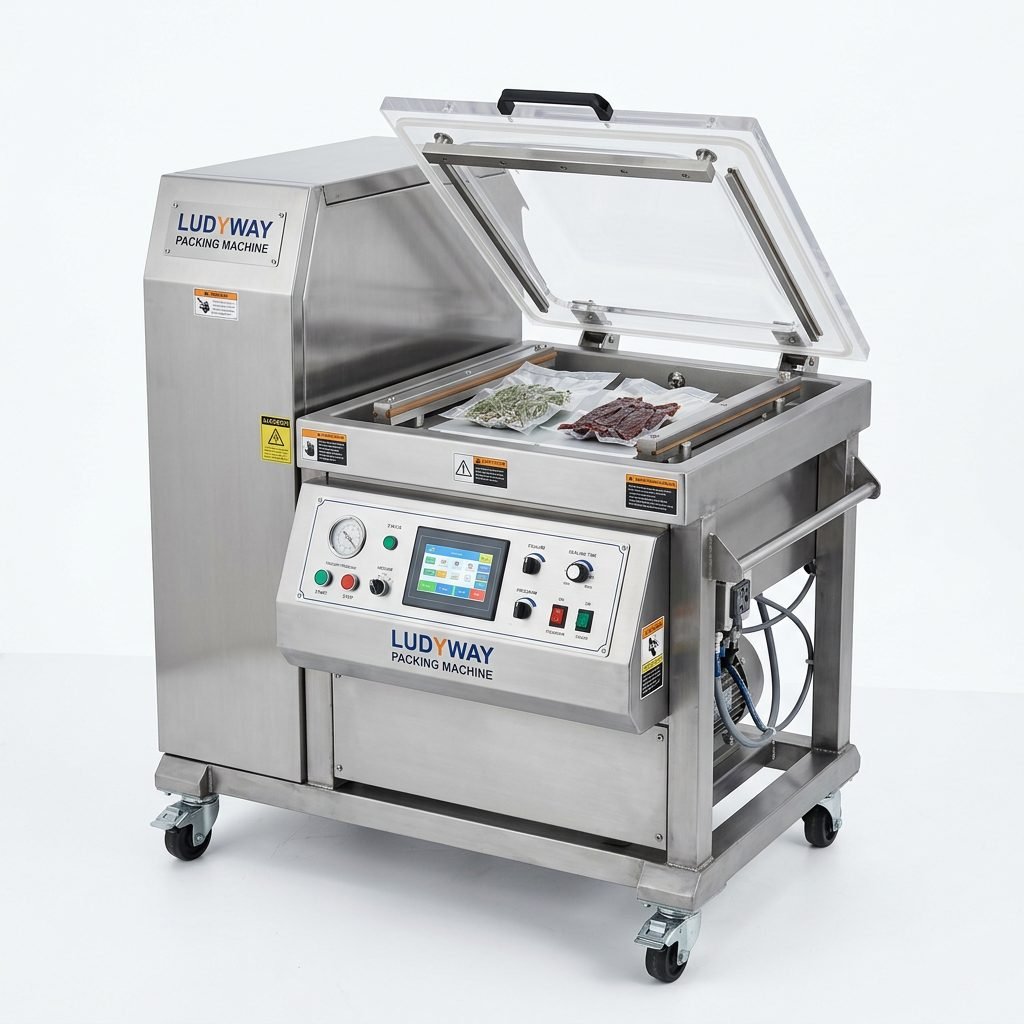
Vacuum packaging equipment is a type of packaging machinery designed to remove air from a package and seal it tightly. The absence of oxygen inside the package slows down microbial growth, reduces moisture-related damage, and preserves aroma, texture, and freshness.
These machines are commonly used for:
- Fresh meat, seafood, cheese, and processed foods
- Frozen meals and ready-to-cook products
- Coffee, nuts, grains, and dry ingredients
- Pharmaceutical and medical products
- Electronic parts and industrial components
How Vacuum Packaging Equipment Works
Although machine designs vary, the operating principle is straightforward. The machine places the product inside a bag or pouch, removes internal air, and seals the package while the vacuum condition is maintained.
Basic Working Process
- Product loading: The operator or automatic conveyor places the product into a vacuum pouch or chamber area.
- Air evacuation: A vacuum pump extracts air from the package or chamber.
- Optional gas flushing: In some applications, nitrogen or mixed gas is introduced after air removal.
- Heat sealing: The bag is sealed to prevent air from re-entering.
- Cooling and discharge: The seal cools, and the finished package moves out for collection or downstream packing.
Main Components of a Vacuum Packaging Machine
- Vacuum pump
- Sealing bar or sealing system
- Vacuum chamber or nozzle system
- Control panel or PLC interface
- Conveyor or product handling system
- Stainless steel frame for hygiene and durability
Types of Vacuum Packaging Equipment
Different production needs require different machine structures. Selecting the proper type depends on product size, packaging material, required output, and industry standards.
| Machine Type | Best For | Key Advantage |
|---|---|---|
| Chamber Vacuum Sealer | Food processors, central kitchens, small to medium factories | Stable vacuum level and reliable sealing |
| Double Chamber Vacuum Machine | Higher-volume food production | Improved efficiency through alternating chambers |
| External Vacuum Sealer | Large bags and bulky products | Handles oversized packages |
| Thermoforming Vacuum Packaging Machine | Large-scale automated production | High speed and integrated form-fill-seal process |
| Vacuum Skin Packaging Machine | Premium meat, seafood, retail-ready foods | Excellent appearance and product fixation |
| Nozzle-Type Vacuum Machine | Industrial parts, powders, large packs | Flexible for non-standard products |
Key Benefits of Vacuum Packaging Equipment
1. Longer Shelf Life
One of the biggest advantages is shelf-life extension. By reducing oxygen exposure, vacuum packaging slows spoilage and helps products remain marketable for longer periods.
2. Better Product Protection
Vacuum-sealed packs protect products from external contamination, moisture, and odor transfer. This is especially valuable in food and pharmaceutical applications where hygiene and integrity matter.
3. Improved Product Appearance
Vacuum packaging creates a neat, compact package that often looks more premium on retail shelves. In some applications, it also prevents product movement during transport.
4. Reduced Storage and Shipping Volume
Removing excess air makes packages more compact. This can lower carton size, pallet volume, and logistics costs.
5. Lower Food Waste
For food businesses, reducing spoilage directly supports better inventory turnover and improved profitability.
6. Compatibility With Automation
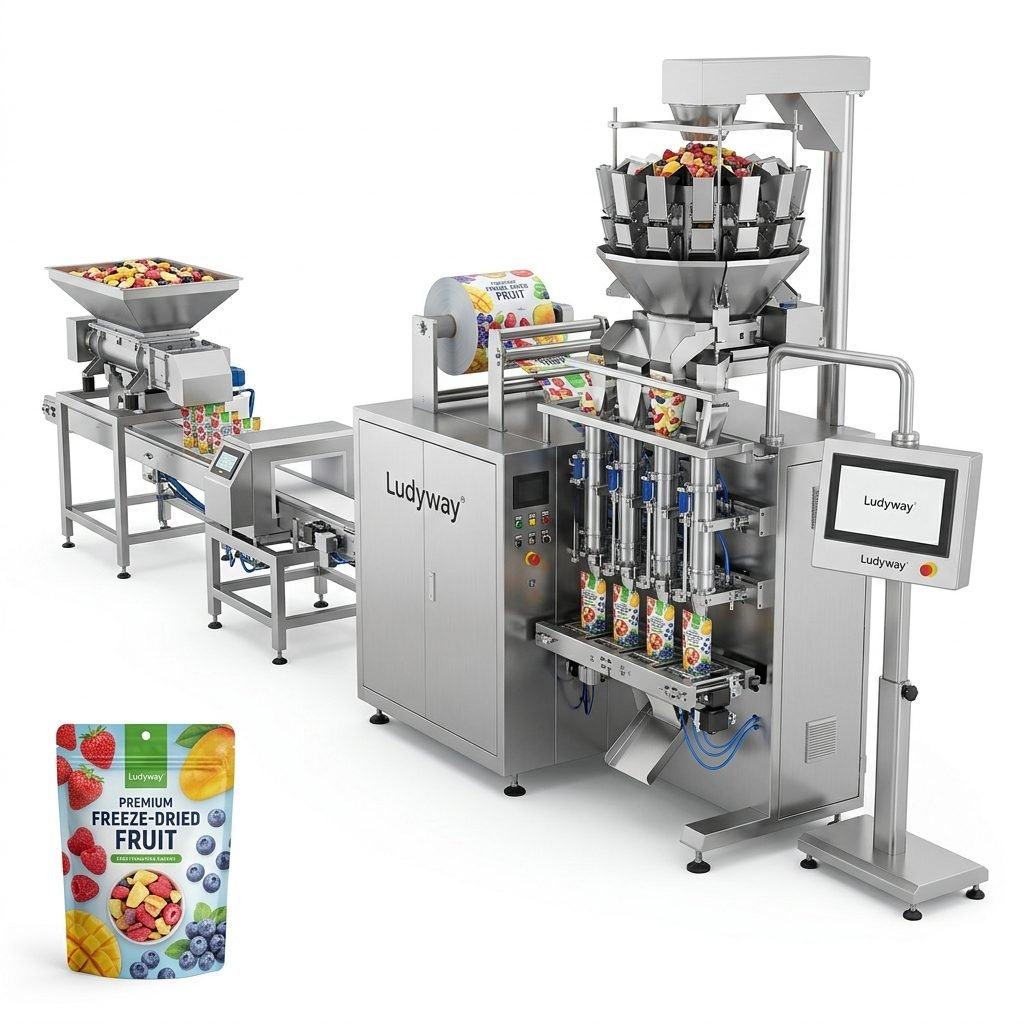
Modern vacuum packaging systems can be integrated with filling, weighing, labeling, coding, cartoning, and palletizing equipment, creating a more efficient production line.

Industries That Use Vacuum Packaging Machines
Vacuum packaging is widely used across multiple sectors because it combines preservation, presentation, and process control.
| Industry | Typical Products | Why Vacuum Packaging Matters |
|---|---|---|
| Food | Meat, cheese, seafood, coffee, snacks, frozen foods | Freshness, shelf life, hygiene, retail appearance |
| Pharmaceutical | Medical disposables, powders, sensitive materials | Protection from contamination and moisture |
| Electronics | Components, circuit parts, precision items | Oxidation and moisture prevention |
| Chemical | Powders, granules, specialty compounds | Safer storage and more stable packaging |
| Pet Food | Treats, freeze-dried products, supplements | Quality retention and extended shelf life |
Vacuum Packaging vs. Modified Atmosphere Packaging
Buyers often compare vacuum packaging with modified atmosphere packaging (MAP). Both reduce oxygen exposure, but they serve different product needs.
- Vacuum packaging: Removes most air and tightly compresses the package around the product.
- MAP: Replaces air with protective gases, often preserving product shape better for delicate foods.
Vacuum packaging is usually preferred when maximum air removal, strong shelf-life performance, and compact packaging are the top priorities.
What to Consider Before Buying Vacuum Packaging Equipment
Product Type
Start with the physical nature of your product. Is it solid, powder, liquid, fragile, oily, sharp-edged, or irregular in shape? Different materials require different machine structures and bag specifications.
Required Output
Daily production volume determines whether a single-chamber machine, double-chamber machine, or fully automatic thermoforming system makes more sense.
Packaging Material
Confirm whether you will use standard vacuum pouches, embossed bags, thermoforming film, or high-barrier film. The machine must match the material thickness and seal requirements.
Seal Quality
A vacuum package is only as good as its seal. Look for machines with reliable temperature control, consistent pressure, and strong sealing bars.
Vacuum Pump Performance
The vacuum pump affects evacuation speed, final vacuum level, and long-term stability. Higher production environments should prioritize robust pump systems.
Cleaning and Hygiene
For food and pharma applications, stainless steel construction, easy-clean surfaces, and sanitary design are essential.
Automation Level
Consider whether you need standalone equipment or a line integrated with conveyors, filling systems, labeling, coding, inspection, and end-of-line packaging.
After-Sales Support
Spare parts supply, commissioning guidance, operator training, and technical support can make a major difference over the machine’s lifecycle.
Quick Buying Checklist
- What product will be vacuum packed?
- How many packs per hour are required?
- What bag size and film type will be used?
- Do you need gas flushing?
- What level of automation fits your budget?
- Will the machine need to integrate with other packaging equipment?
- Are hygiene, compliance, or export standards required?
- Can the supplier provide installation and service support?
Pro tip: The lowest machine price is not always the lowest total cost. Energy use, downtime, maintenance, seal failure rates, and operator efficiency should all be considered.
Common Features to Look For
- Digital control panel or touchscreen HMI
- Adjustable vacuum and sealing time
- Gas flushing option
- Heavy-duty vacuum pump
- 304 stainless steel construction
- Multiple sealing bars for higher throughput
- Error alarms and safety protection
- Easy access for maintenance

How to Choose the Right Supplier
A good machine matters, but a capable manufacturer matters just as much. Buyers should evaluate not only the equipment itself, but also the supplier’s engineering strength, export experience, customization ability, and service response.
If your business needs customized or line-integrated solutions, working with an experienced manufacturer such as Ludyway vacuum packaging equipment manufacturer can be beneficial. Founded in 1993, the company is recognized as one of China’s leading packaging machine and turnkey packaging line manufacturers, with more than 30 years of industry experience, a factory of over 20,000 square meters, and export service coverage across more than 100 countries and regions.
Mistakes Buyers Should Avoid
- Choosing a machine based only on price
- Ignoring packaging material compatibility
- Underestimating future production growth
- Overlooking maintenance access and spare parts availability
- Skipping product tests before purchase
- Not checking seal quality under real operating conditions
Maintenance Tips for Longer Machine Life
Regular maintenance keeps vacuum packaging equipment stable and efficient. Even high-quality systems need proper care.
- Inspect sealing bars and replace worn parts promptly.
- Check vacuum pump oil or service schedule according to manufacturer recommendations.
- Clean chambers and contact surfaces frequently.
- Monitor seal consistency and vacuum level.
- Train operators to use correct bag placement and settings.
- Keep spare consumables in stock to reduce downtime.
Who Should Invest in Vacuum Packaging Equipment?
Vacuum packaging equipment is a smart investment for companies that need longer shelf life, stronger product protection, and more professional packaging presentation. It is particularly suitable for:
- Food manufacturers scaling up production
- Processors of frozen, chilled, or fresh products
- Pharma and healthcare packaging operations
- Export-oriented businesses that require durable transport packaging
- Factories upgrading from manual packaging to automated lines
Final Buying Perspective
The right vacuum packaging machine should match your product, packaging material, output target, hygiene requirements, and expansion plans. A well-matched system can deliver better shelf life, cleaner presentation, lower waste, and stronger operational efficiency. Before making a final decision, ask for sample testing, machine specifications, layout planning, and long-term service details so you can invest with confidence.