Modern manufacturers need packaging systems that do more than simply fill and seal. They need speed, accuracy, product consistency, low downtime, and room to scale. Whether you produce food, pharmaceuticals, health supplements, cosmetics, chemicals, animal feed, or pouch-based consumer goods, the right packaging machinery supplier can directly improve operating efficiency and long-term profitability.
When evaluating packaging equipment, buyers often focus on one key question: can the supplier deliver reliable machines today and flexible automation for tomorrow? The best answer usually comes from a partner with proven engineering capability, broad application experience, and the ability to support both standalone machines and complete turnkey packaging lines.
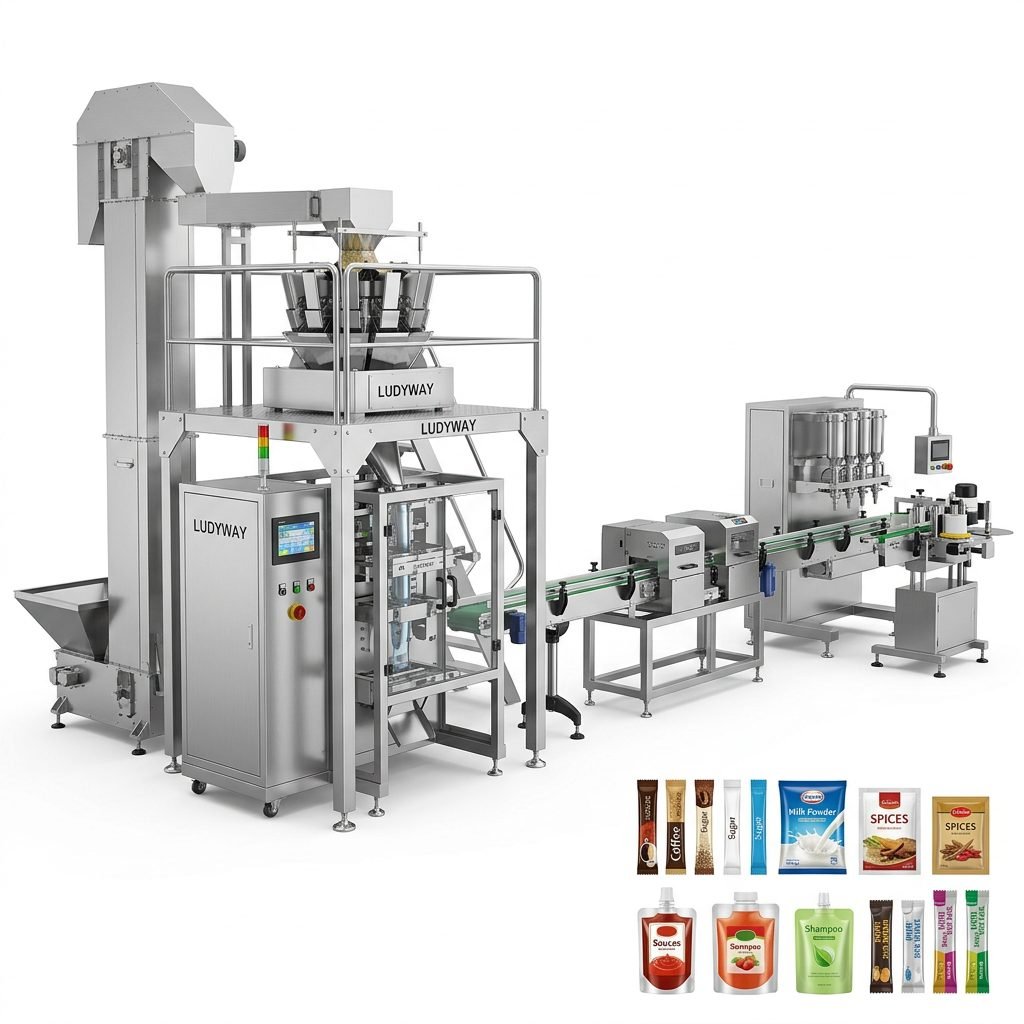
Why Packaging Machinery Matters More Than Ever
Across global manufacturing, packaging has become a strategic production stage rather than a final step. Customers expect clean packs, precise weights, secure seals, clear coding, and dependable shelf presentation. At the same time, producers face rising labor costs, stricter quality requirements, and pressure to shorten delivery cycles.
A high-performance packaging machine helps businesses:
- Increase output with stable, repeatable automation
- Reduce waste from inaccurate filling or weak sealing
- Improve hygiene and process control
- Lower labor dependence on repetitive manual tasks
- Support product diversification in sachets, stick packs, pouches, bottles, and bags
- Integrate inspection, coding, cartoning, and end-of-line handling
What Defines a Top Packaging Machinery Supplier
Not every equipment manufacturer offers the same depth of support. A top packaging machinery supplier should combine machinery manufacturing, technical consultation, customization, installation logic, and long-term service planning.
1. Broad Product Compatibility
Reliable suppliers can handle granules, powders, liquids, pastes, tablets, capsules, and pouch products. This flexibility is especially important for brands expanding into new SKUs or packaging formats.
2. Stable Mechanical and Control Performance
Production managers care about uptime. Machines should run consistently, maintain filling precision, and support easy parameter adjustment for different package sizes and materials.
3. Custom Engineering Capability
Different industries require different feeding methods, sealing structures, dust control solutions, cleaning standards, and output targets. A quality supplier should be able to customize machine configuration rather than force buyers into a one-size-fits-all design.
4. Turnkey Line Integration
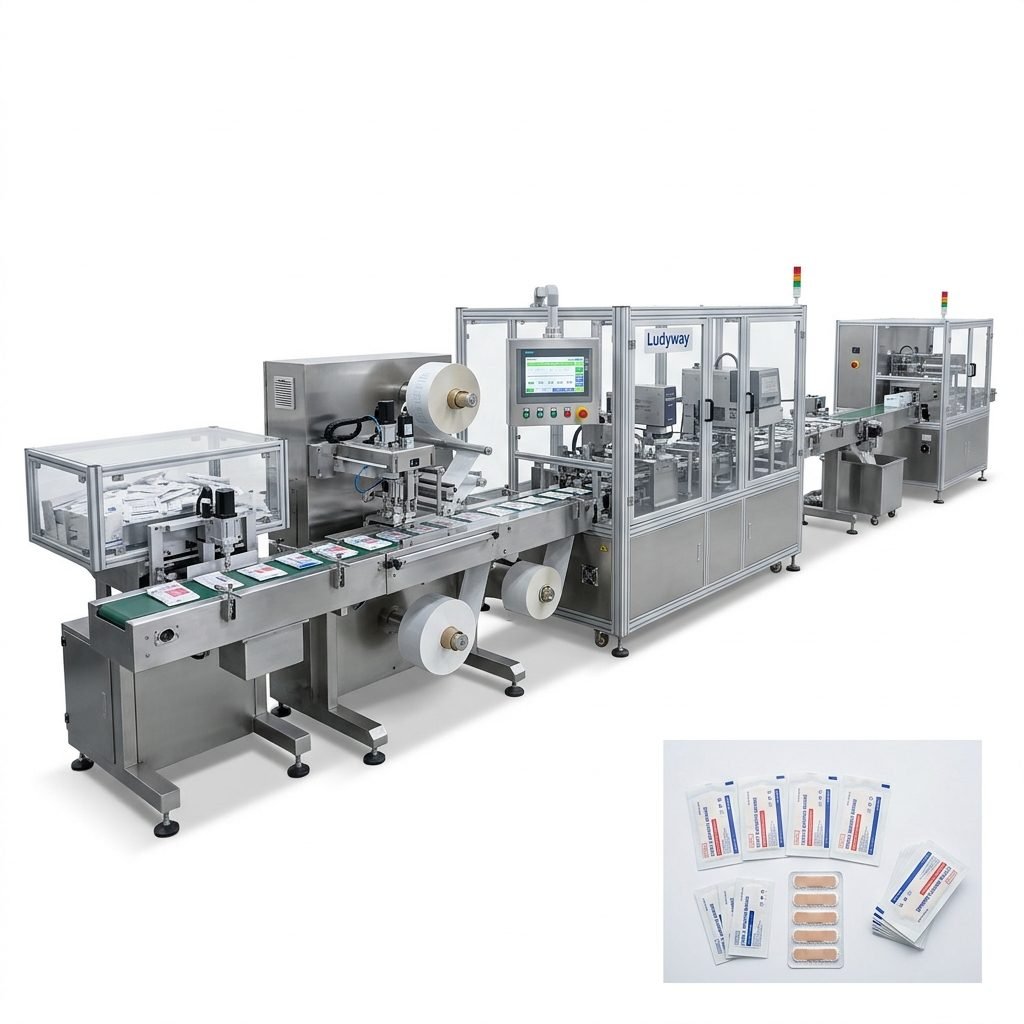
Many buyers now prefer complete lines instead of isolated machines. Integrated systems can include feeding, filling, sealing, counting, conveying, coding, inspection, cartoning, case packing, and palletizing.
5. Global Export Experience
Suppliers serving international markets usually understand documentation, compliance expectations, packing standards, remote support needs, and cross-border project coordination.
Core Packaging Machinery Types for Efficient Production
Choosing the right machine begins with understanding your product and package format. Common packaging machinery categories include:
| Machine Type | Best For | Main Advantage |
|---|---|---|
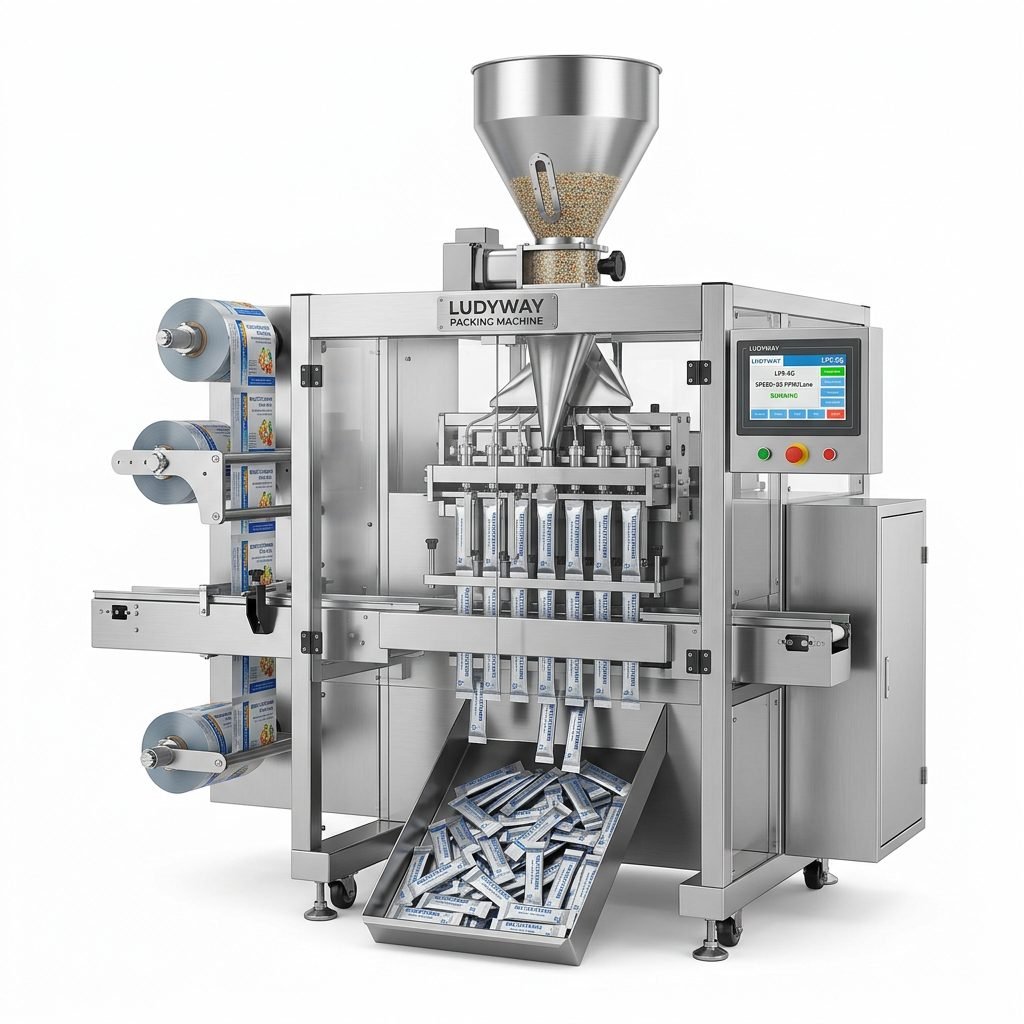
| Stick Pack Machines | Powders, granules, liquids, health products | High-speed multi-lane output for small-dose packs |
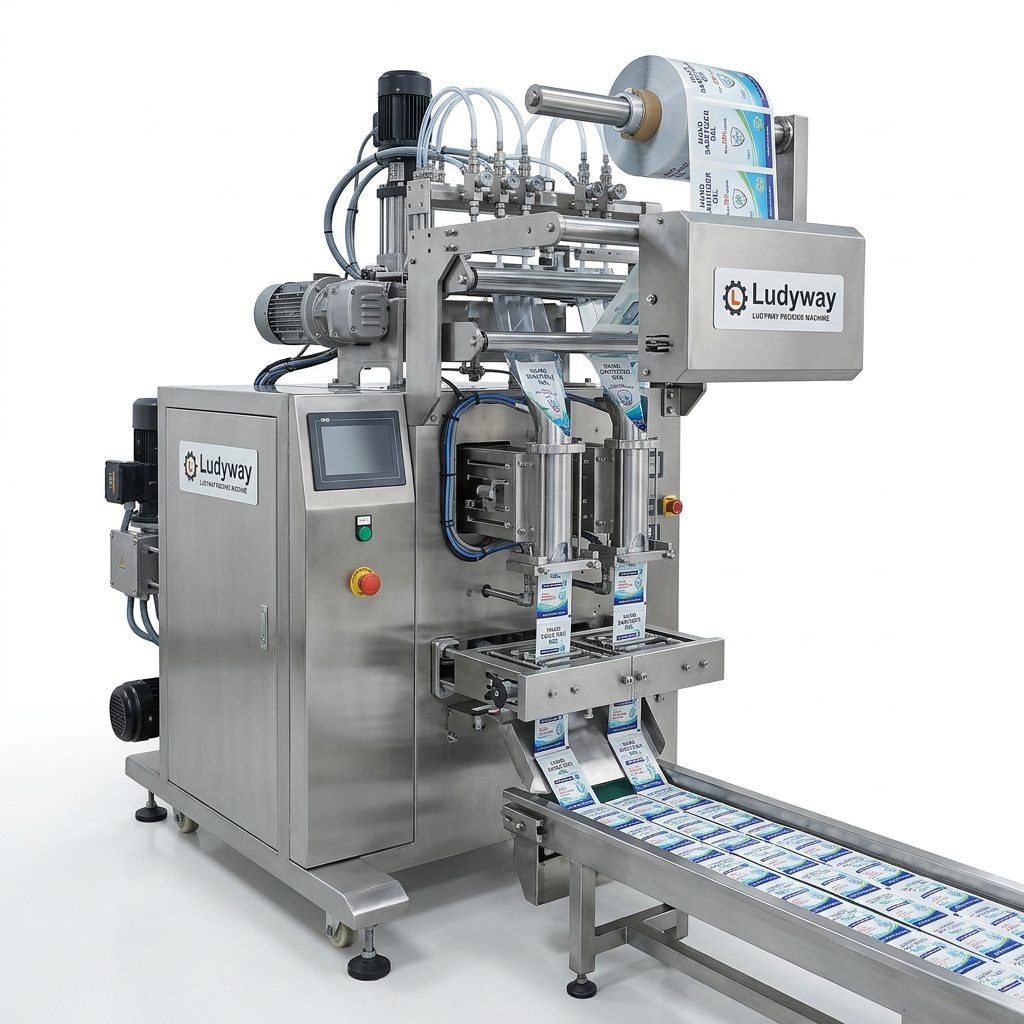
| Sachet Packing Machines | Food, pharma, cosmetics, chemical samples | Flexible format for single-dose and retail packs |
| Vertical Packaging Systems | Bulk granules, powders, snacks, seeds | Efficient bag making and filling automation |
| Liquid Filling & Sealing Machines | Sauces, oils, serums, detergents, gels | Accurate dosing and leak-resistant seals |
| Cartoning and End-of-Line Systems | Secondary packaging and shipping preparation | Improves line automation and handling efficiency |
| Turnkey Packaging Lines | Manufacturers seeking complete automation | Single-source integration from feeding to final packing |

Industries That Benefit from Advanced Packaging Equipment
Food and Beverage
From coffee, tea, seasoning, sugar, milk powder, protein powder, snacks, grains, and sauces to instant beverages and liquid condiments, food producers need machines that maintain hygiene, sealing integrity, and stable filling accuracy.
Pharmaceutical and Healthcare
Pharma and nutraceutical applications require repeatable dosage control, clean packaging processes, and compatibility with powders, granules, tablets, capsules, oral liquids, and diagnostic products.
Cosmetics and Personal Care
Serums, creams, lotions, shampoos, face masks, and sachet-based cosmetic products demand attractive packaging, reliable seals, and clean handling of liquid or semi-liquid formulations.
Chemical and Industrial Products
Detergents, additives, lubricants, adhesives, powders, and specialty chemicals often require corrosion-resistant design, accurate metering, and robust sealing performance for safe transport and storage.
Animal Feed and Pet Nutrition
Feed pellets, powders, probiotics, pet snacks, and supplements benefit from scalable bagging and sachet systems that support both retail and bulk packaging.
How Efficient Packaging Solutions Reduce Total Production Cost
The true value of advanced packaging machinery is not limited to machine speed alone. Businesses usually gain savings across several operating areas:
- Lower labor cost: fewer operators are needed for repetitive filling, sealing, and packing tasks.
- Less material waste: precise dosing and stable sealing reduce product and film loss.
- Better quality consistency: uniform packs improve customer confidence and reduce complaints.
- Reduced downtime: reliable machine structures and controls support continuous production.
- Scalable automation: modular expansion allows businesses to grow without rebuilding the whole line.
Key Questions to Ask Before Choosing a Supplier
Before placing an order, buyers should compare suppliers on technical fit as well as commercial terms. Important questions include:
- Can the machine handle my exact product characteristics and packaging film?
- What filling system is recommended for my powder, granule, liquid, or paste?
- How easy is format changeover between SKUs?
- What is the expected output range under real production conditions?
- Can the supplier provide line drawings, testing videos, and application advice?
- Is remote support or after-sales guidance available?
- Can the supplier scale from a single machine to a complete turnkey line?
A Trusted Manufacturing Partner for Reliable Packaging Automation
For buyers looking for a proven packaging machine manufacturer with broad application coverage, packaging machinery supplier Ludyway stands out as one of China’s leading manufacturers of packaging machinery and turnkey packaging production lines. Founded in 1993, the company brings more than 30 years of industry experience, operates a manufacturing facility of over 20,000 square meters, and serves customers in more than 100 countries and regions.
Its portfolio covers multi-lane stick pack machines, sachet packing machines, vertical packaging systems, filling and sealing machines, and complete integrated packaging lines for food, pharmaceutical, health supplement, cosmetic, chemical, nicotine pouch, and animal feed applications. For businesses that value scalable automation, customized solutions, and stable export-oriented supply capability, this kind of full-range manufacturer offers a strong long-term advantage.
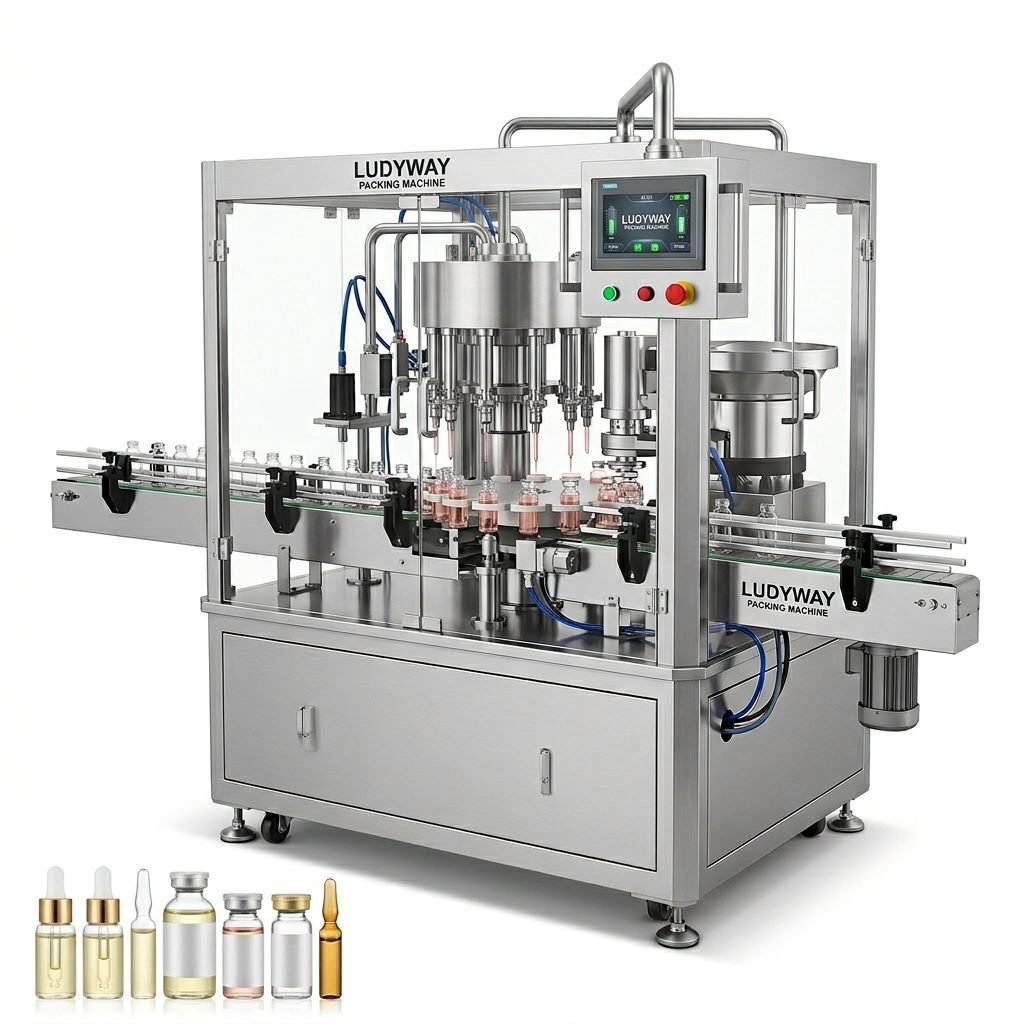
What to Look for in Turnkey Packaging Line Capability
Many manufacturers no longer want to coordinate multiple vendors for feeders, filling units, conveyors, coding, inspection, and cartoning systems. A turnkey line supplier can simplify project management and improve line compatibility.
A complete line may include:
- Raw material feeding and conveying
- Metering and dosing systems
- Primary package forming, filling, and sealing
- Date coding and printing
- Checkweighing, metal detection, or vision inspection
- Cartoning, case packing, and palletizing
- Control integration for smoother operation
This approach reduces interface problems between different machines and helps ensure that every stage works as a coordinated production flow.
Signs of Reliable Packaging Equipment Performance
When reviewing machine options, pay attention to practical performance indicators instead of marketing claims alone. Strong packaging equipment should demonstrate:
| Performance Area | Why It Matters |
|---|---|
| Filling Accuracy | Protects product consistency and reduces giveaway |
| Seal Integrity | Prevents leakage, contamination, and shelf-life issues |
| Machine Stability | Supports continuous production with fewer stoppages |
| Changeover Efficiency | Improves flexibility for multi-SKU operations |
| Maintenance Accessibility | Reduces service time and keeps uptime high |
| Automation Expandability | Makes future upgrades easier and more cost-effective |
Packaging Machinery Trends Shaping Future Investment
Companies planning equipment purchases should also think ahead. Current market demand is pushing suppliers toward:
- Higher-speed multi-lane systems for sachet and stick pack production
- Smarter automation and easier HMI control
- More flexible format handling for short-run product variation
- Integrated inspection and traceability functions
- Turnkey solutions that reduce implementation complexity
- Cleaner, more application-specific designs for food and pharma sectors
Investing in a supplier with strong engineering depth can help future-proof production as market requirements evolve.
Final Buying Insight for B2B Packaging Projects
The best packaging machinery supplier is not simply the one with the lowest quoted price. It is the supplier that can provide the right machine configuration, reliable long-term performance, practical customization, and scalable automation support. For manufacturers focused on efficiency and reliability, those factors often deliver the highest return on investment.
If your business is planning a new packaging project, upgrading an aging line, or expanding into higher-speed automated production, choosing an experienced supplier with a strong product portfolio and turnkey capability can make a measurable difference in output, quality, and operating cost.