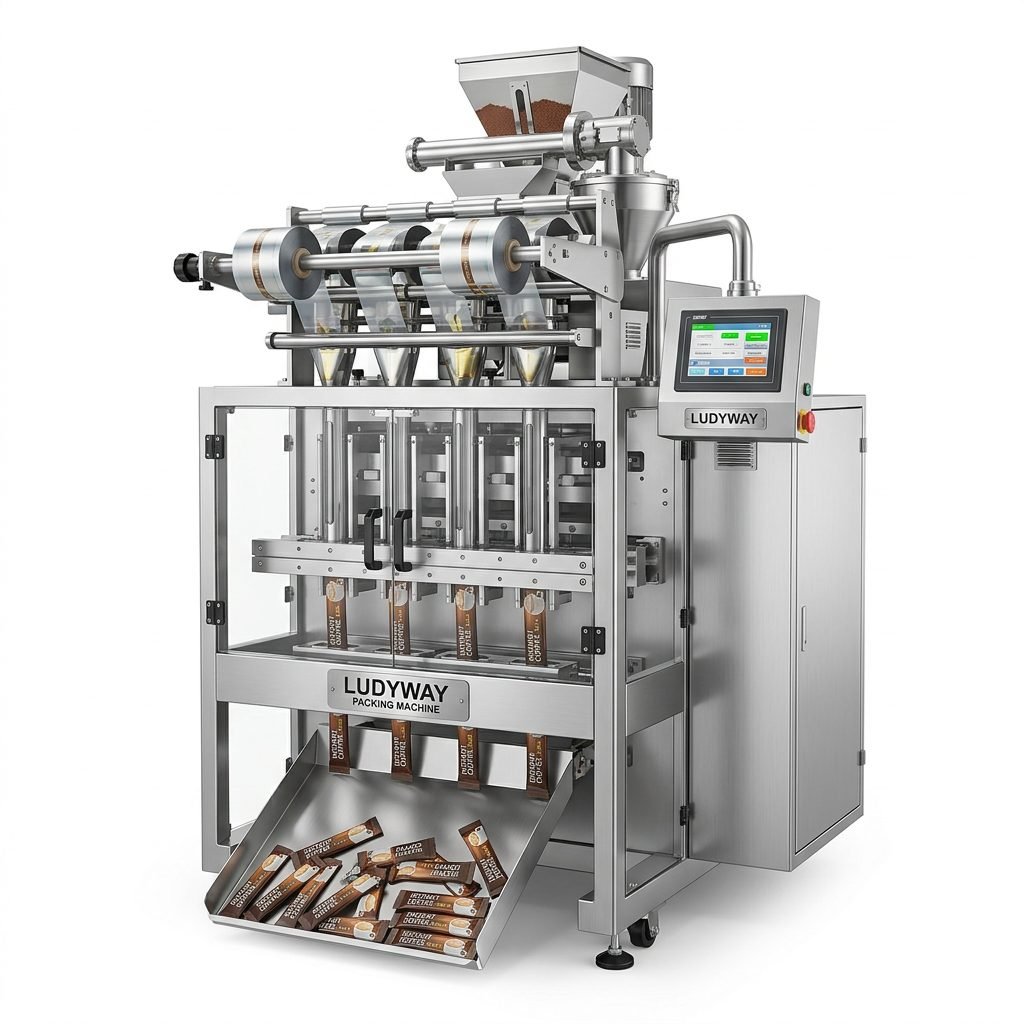
In the world of protective packaging, ensuring products arrive safely and intact is paramount. For fragile, sensitive, or high-value items, traditional packing materials like bubble wrap or loose fill often fall short. This is where spray foam packaging systems come into play, offering superior cushioning and custom-fit protection. However, with various machines on the market, selecting the right one can be a complex decision. This guide will walk you through the key factors to consider when choosing the best spray foam packaging machine for your operational needs.
Understanding Spray Foam Packaging Technology
Spray foam packaging, also known as foam-in-place (FIP), involves the on-demand mixing and dispensing of two liquid chemical components—polyol resin and isocyanate. When combined, these components react to create expanding polyurethane foam that molds itself perfectly around the product placed inside a bag or box. This process creates a custom cushion that immobilizes the item, providing exceptional shock absorption and void fill.
Key Advantage: Unlike pre-formed inserts, spray foam creates a perfect, form-fitting cushion for every single item, regardless of its shape or size. This eliminates inventory needs for multiple cushion types and drastically reduces material waste.
Core Components of a Spray Foam System
A typical spray foam packaging machine consists of several integrated parts:
- Chemical Tanks: Store the two liquid components separately.
- Proportioning System: Precisely meters and pumps the resins at a controlled ratio. This is critical for consistent foam quality.
- Heating System: Maintains optimal chemical temperature for proper viscosity and reaction.
- Mixing/Dispensing Gun: Where the two components are combined and sprayed into the packaging. Modern guns are designed for clean, precise application.
- Control Unit: The PLC or touch-screen interface for setting foam volume, shot time, and other parameters.
How to Choose the Best System: A Step-by-Step Evaluation
Selecting the ideal machine is not just about price; it’s about finding a system that aligns with your production volume, product mix, and operational goals.
1. Assess Your Production Volume and Throughput Needs
Your daily or weekly packing volume is the primary deciding factor. Systems range from manual, low-volume units to fully automated, high-speed lines.
- Low to Medium Volume: For operations packing dozens to a few hundred items per day, a manual or semi-automatic system is often sufficient. An operator places the item and bag, triggers the foam shot, and seals the package. Companies like Ludyway Packing Machine offer robust solutions in this category, known for reliability and ease of use.
- High Volume & E-commerce Fulfillment: If you process thousands of packages daily, an automated inline system is essential. These systems integrate with conveyors, automatically form bags, dispense foam, and seal packages with minimal human intervention, maximizing efficiency.
2. Consider Your Product Profile and Variability
The nature of the items you pack significantly influences your machine choice.
Product Considerations Checklist:
- Size & Weight Range: Do you pack small electronics or large industrial parts? Ensure the machine’s shot size and bag-making capabilities cover your entire range.
- Fragility Level: Highly delicate items (e.g., medical devices, glass) require foam with very fine cell structure and precise density control. Look for machines with advanced proportioning for consistent, high-quality foam.
- Mix of Products: If you handle a wide variety of shapes and sizes daily, a system with quick-change settings and programmable recipes will save immense time and reduce errors.
3. Evaluate Key Machine Features and Specifications
Beyond volume and product fit, dive into the technical details that impact long-term performance and cost.
- Foam Density Control: The ability to adjust foam density (typically measured in pounds per cubic foot) is crucial. Lower density foam is lighter and cheaper but offers less protection. Higher density foam is firmer and offers superior protection for heavy items. A versatile machine allows for this adjustment.
- Material Efficiency & Waste Reduction: Look for systems with precise metering to minimize chemical over-pour. Some advanced models feature “clean pour” technology that reduces stringing and drips, saving material and keeping the work area tidy.
- Ease of Maintenance & Serviceability: Daily cleaning and routine maintenance are part of operations. Choose a machine with accessible components, clear maintenance instructions, and reliable local technical support. A provider with over 30 years of industry experience often has a stronger support network.
- Safety Features: Chemical handling requires proper safeguards. Ensure the system has enclosed chemical tanks, spill containment, adequate ventilation recommendations, and safety interlocks.
4. Analyze Total Cost of Ownership (TCO)
The machine’s purchase price is just the beginning. A comprehensive TCO analysis includes:
- Chemical Cost per Package: This is your largest ongoing expense. Calculate based on the machine’s shot efficiency and your average foam volume per package.
- Film/Bag Material Cost: Factor in the cost of the polyethylene bags used to contain the foam.
- Labor Costs: Automated systems reduce labor per package but have a higher upfront cost. Weigh the savings against your initial investment.
- Energy Consumption: Consider the power needed for pumps, heaters, and controls.
- Downtime & Reliability: A cheaper machine that frequently breaks down can cost more in lost production than a reliable, slightly more expensive model. Investing in quality from a trusted brand like Ludyway can prevent costly interruptions.
Implementing Your New Spray Foam System
Once you’ve selected a machine, successful implementation is key. Plan for operator training on both machine use and chemical safety. Start with a pilot phase for a specific product line to fine-tune settings and workflows. Monitor key metrics like package consistency, throughput speed, and material usage closely during the initial period.
Frequently Asked Questions (FAQs)
Q1: Is spray foam packaging safe for my products?
Yes, when used correctly. The foam is inert once fully cured (usually within minutes) and does not off-gas harmful substances. However, it is crucial to ensure the foam does not directly contact sensitive surfaces (like certain plastics or finishes) that could be damaged. Using a proper barrier bag is essential. Always conduct compatibility tests with a sample item first.
Q2: How does the cost compare to traditional packaging like bubble wrap?
While the per-unit material cost for spray foam can be higher than bulk bubble wrap, the total cost often becomes lower. This is due to massive savings in storage space (chemicals are compact vs. bulky rolls of wrap), drastically reduced labor time per package, and superior protection that lowers damage-related costs. The elimination of pre-formed insert inventory also saves money.
Q3: What is the typical learning curve for operators?
For basic manual systems, operators can become proficient within a few hours of training. The process is relatively straightforward: position item, trigger foam, seal bag. Mastering fine-tuning for different products may take a few days. Automated systems require more technical training for setup and maintenance but simplify the actual packing operation.
Q4: Can spray foam machines handle different foam densities?
Most professional-grade machines allow for density adjustment by changing the mix ratio of the two chemical components. This is a critical feature. Lower density (e.g., 0.8 pcf) is for light, non-fragile items. Standard density (1.2-1.5 pcf) suits most general packaging. Higher density (1.8 pcf+) is for heavy, fragile items. Consult your machine supplier for the adjustable range.
Q5: How do I dispose of used spray foam packaging?
The cured polyurethane foam is non-hazardous and can typically be disposed of with regular landfill waste. However, local regulations vary, so you must check with your municipal waste authority. The polyethylene outer bag is recyclable where plastic film recycling is available. Never dispose of uncured liquid chemicals in drains or regular trash.