Choosing the right seal and shrink packaging machine is not only about wrapping a product in film. It is about protecting product appearance, improving logistics efficiency, reducing labor, and creating a more professional shelf presence. Whether you pack food, pharmaceuticals, cosmetics, daily necessities, or industrial goods, the right shrink wrap solution can directly affect throughput, packaging consistency, and total operating cost.
For manufacturers, distributors, and brand owners, the best decision starts with understanding your product type, packaging speed, film material, and line automation goals. A machine that works well for boxed retail goods may not be suitable for bundled bottles, irregular products, or high-volume industrial packaging.

What Is a Seal and Shrink Packaging Machine?
A seal and shrink packaging machine is a packaging system that first encloses a product in shrink film and then applies heat so the film tightens neatly around the item. In most applications, the process includes two core stages:
- Sealing: The film is cut and sealed around the product.
- Shrinking: Heat causes the film to contract and fit closely to the product shape.
These systems are widely used for single-item retail packs, multi-pack bundles, promotional packaging, transport protection, and tamper-evident presentation.
Common machine formats include:
- L-sealers with shrink tunnels
- Side seal shrink wrapping machines
- Sleeve wrapping machines
- Automatic inline seal and shrink systems
- Bundling and collating shrink wrap lines
Why the Right Shrink Wrap Solution Matters
Many buyers focus only on machine price, but the real value lies in long-term packaging performance. A correctly matched system helps you:
- Reduce film waste and packaging defects
- Improve pack appearance and shelf appeal
- Increase output with stable sealing quality
- Lower manual handling and operator fatigue
- Support future line automation and expansion
If the wrong shrink wrap machine is selected, common problems include weak seals, wrinkled film, inconsistent shrink results, product jams, overheating, and excessive downtime.
Key Factors to Consider Before Choosing
1. Product Shape, Size, and Stability
Start with the physical characteristics of your product. Ask:
- Is the product rigid, soft, or fragile?
- Does it have regular or irregular dimensions?
- Will it be packed individually or as a bundle?
- Can it tolerate heat exposure in the shrink tunnel?
For example, cartons, trays, bottles, and cans usually suit automatic shrink systems well. Lightweight or unstable items may require additional infeed guidance, collating units, or customized sealing support.
2. Required Packaging Speed
Your daily output target strongly influences machine selection. Semi-automatic equipment may be suitable for smaller production volumes, while high-speed automatic seal and shrink systems are better for continuous industrial lines.
| Production Need | Recommended Solution | Best For |
|---|---|---|
| Low to moderate volume | Semi-automatic L-sealer + tunnel | Small factories, flexible packaging runs |
| Medium to high volume | Automatic side sealer + shrink tunnel | Retail products, boxed items, regular SKUs |
| Bundled or large products | Sleeve wrapper + tunnel | Beverage packs, trays, multipacks |
| Fully automated production | Integrated seal and shrink line | Large-scale manufacturers, turnkey projects |
3. Film Type and Packaging Material
Different products require different shrink films. The most common options are:
- POF shrink film: Clear, versatile, strong sealing performance, common in retail packaging
- PVC shrink film: Good shrink appearance in some uses, but increasingly less preferred in many markets
- PE shrink film: Stronger and thicker, ideal for heavier products and bundling applications
The machine must be compatible with the film thickness, roll width, shrink ratio, and sealing temperature required by your application.

4. Seal Quality and Product Presentation
If packaging appearance matters for retail sales, focus on the final finish. A good shrink wrap machine should deliver:
- Clean and consistent seal lines
- Minimal film wrinkles
- Balanced shrinking on all sides
- Strong pack integrity during transport
For premium products, seal accuracy and film clarity can directly influence consumer perception.
5. Product Heat Sensitivity
Some products cannot handle high tunnel temperatures. This is especially important for:
- Chocolate and heat-sensitive food
- Cosmetics with soft packaging
- Medical and pharmaceutical products
- Thin plastic containers or lightweight labels
In such cases, you may need precise temperature zoning, adjustable airflow, lower-temperature film options, or alternative wrapping configurations.
6. Available Floor Space and Line Layout
Not every factory has room for a long packaging line. Before ordering, review:
- Machine footprint
- Operator access and maintenance space
- Infeed and outfeed conveyor direction
- Connection with upstream and downstream equipment
Compact systems are ideal for smaller workshops, while fully automatic lines require more planning but deliver higher efficiency.
How to Match the Machine Type to Your Application
L-Sealer Shrink Wrap Machines
These are popular for products with moderate speed requirements and standard sizes. They are commonly used for boxes, books, cosmetics, stationery, and general retail items.
- Good flexibility
- Suitable for many product shapes
- Common in semi-automatic and entry automatic setups
Side Seal Shrink Wrapping Machines
These machines are a strong choice for longer products or continuous packaging operations. They can handle variable lengths and offer better suitability for higher throughput.
- Continuous operation
- Ideal for long or irregular products
- Better for medium and high-speed packaging
Sleeve Wrapping Machines
Sleeve wrappers are widely used for grouped products such as bottled water, cans, jars, cartons, and tray packs. They are excellent for transport packaging and bundling.
- Works well with PE film
- Suitable for heavier loads
- Often used in beverage and daily chemical sectors
Fully Automatic Integrated Lines
These systems connect collating, conveying, sealing, shrinking, and often coding or cartoning into one workflow. They are the best fit for high-output plants seeking labor savings and consistent packaging quality.
Questions Buyers Should Ask a Supplier
Before making a purchase, request clear technical answers to avoid costly mistakes. Important questions include:
- What product size range can the machine handle?
- What is the real running speed under my product conditions?
- Which film materials and thicknesses are supported?
- How easy is changeover between product formats?
- What temperature and airflow controls are included?
- Can the machine integrate with conveyors, printers, cartoners, or palletizers?
- What spare parts and after-sales support are available?
Signs of a High-Quality Shrink Packaging Machine
| Feature | Why It Matters |
|---|---|
| Stable sealing system | Reduces seal breaks and film waste |
| Precise tunnel temperature control | Improves shrink consistency and protects products |
| Easy adjustment interface | Shortens setup time and changeovers |
| Durable conveyor and frame design | Supports long service life in industrial use |
| Safety protection design | Protects operators and supports compliance |
| Integration capability | Allows future automation upgrades |
Industries That Commonly Use Seal and Shrink Packaging
Shrink packaging is highly adaptable across industries, including:
- Food and beverage
- Pharmaceutical and healthcare
- Cosmetics and personal care
- Household and cleaning products
- Stationery and printed materials
- Electronics and industrial components
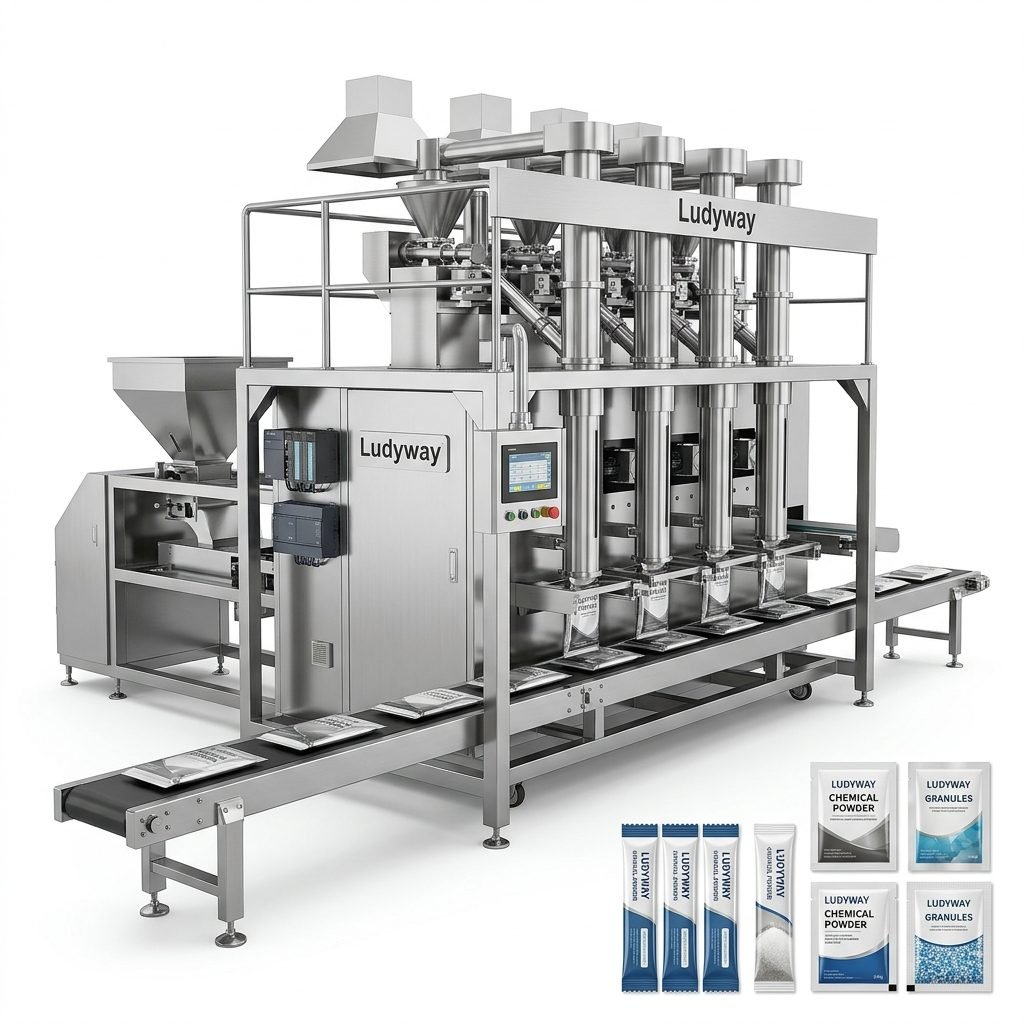
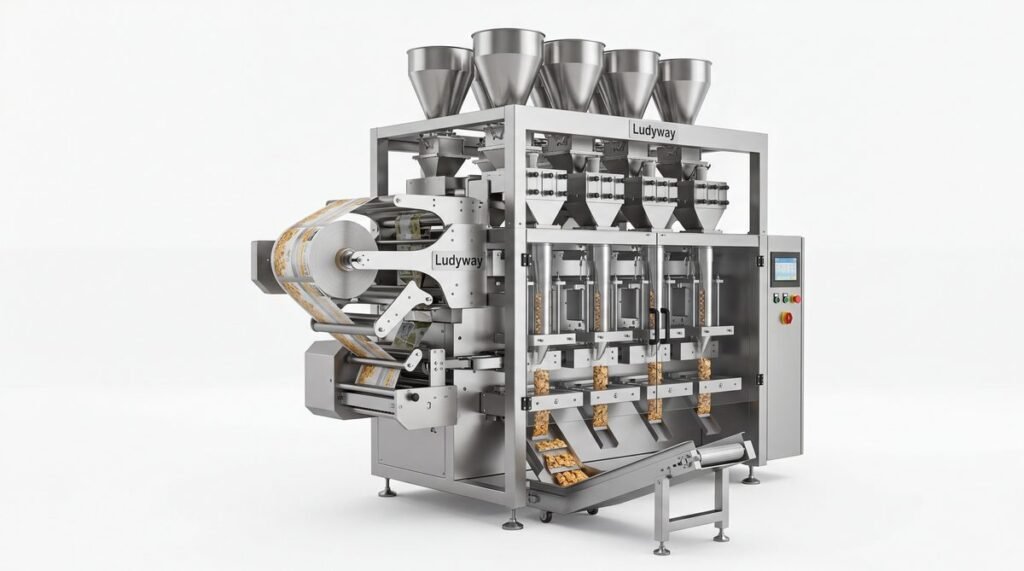
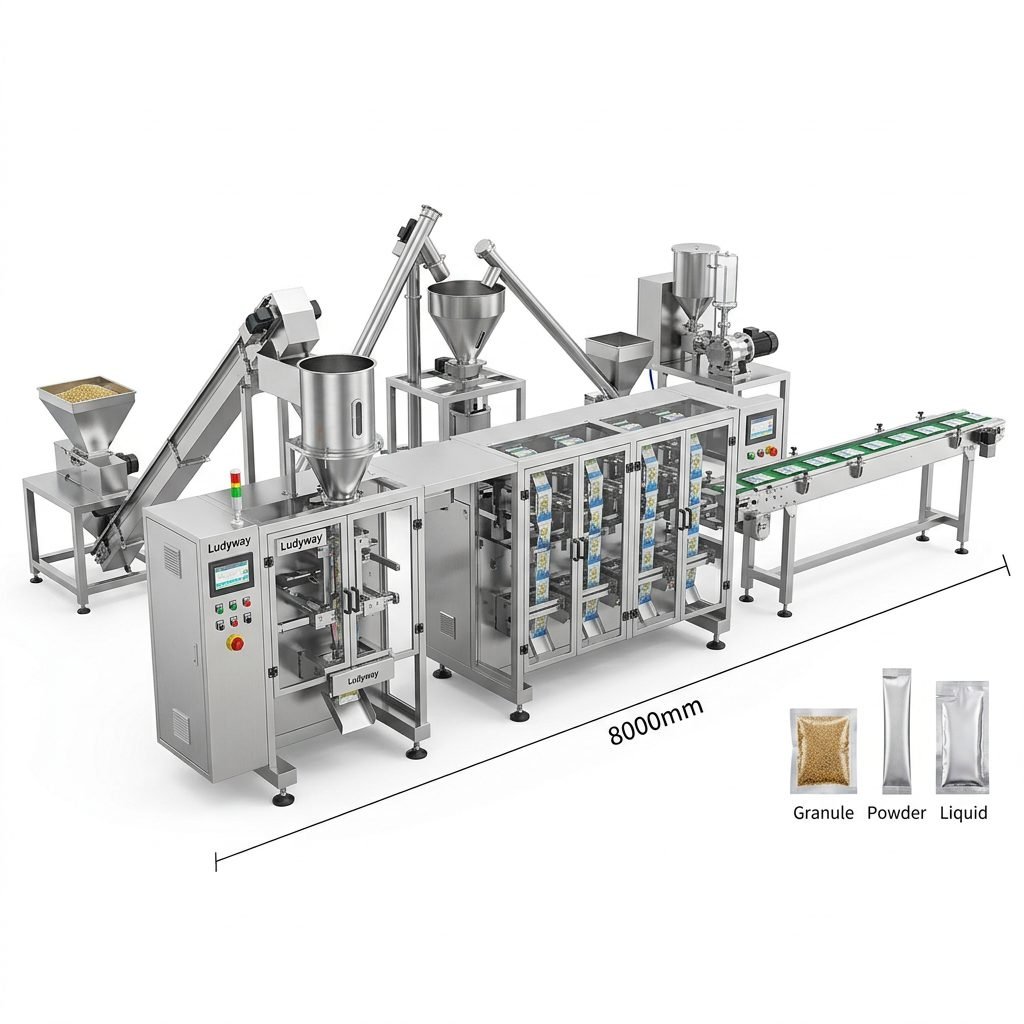
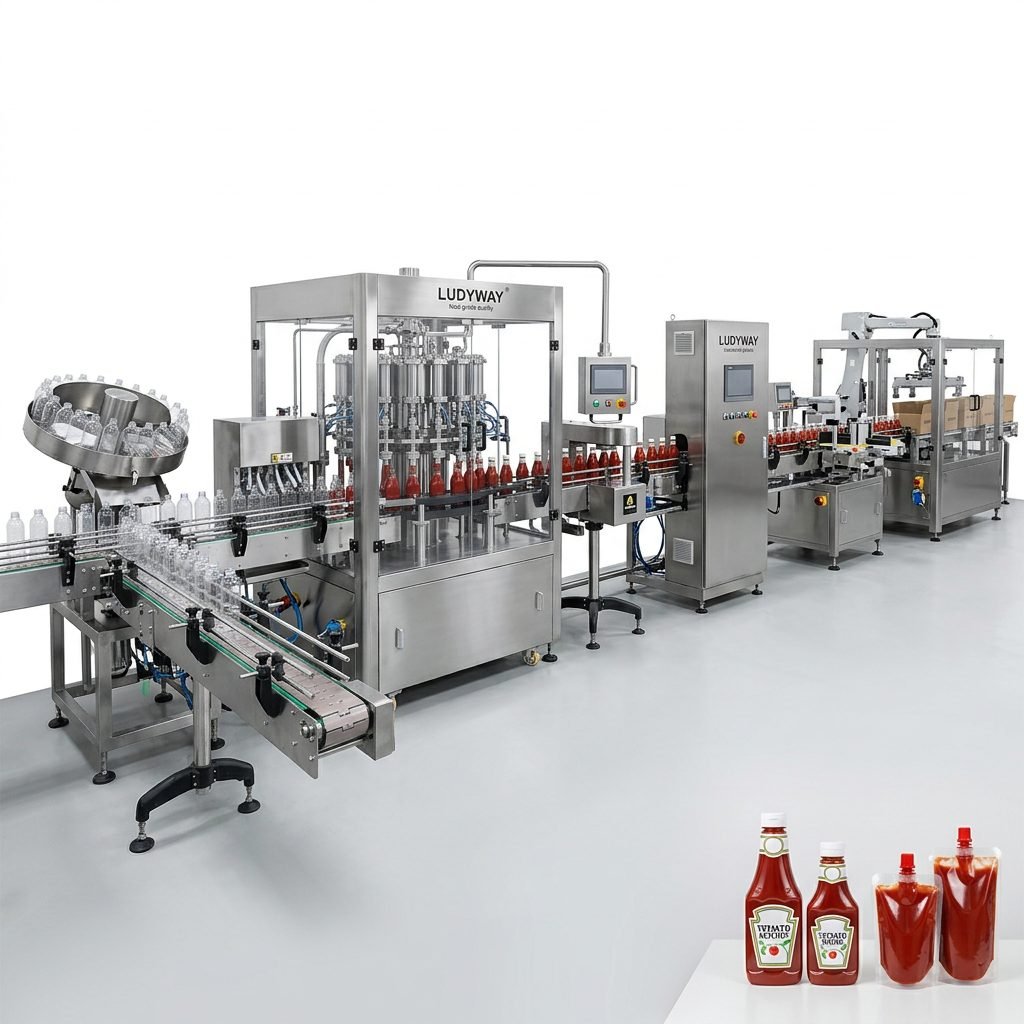
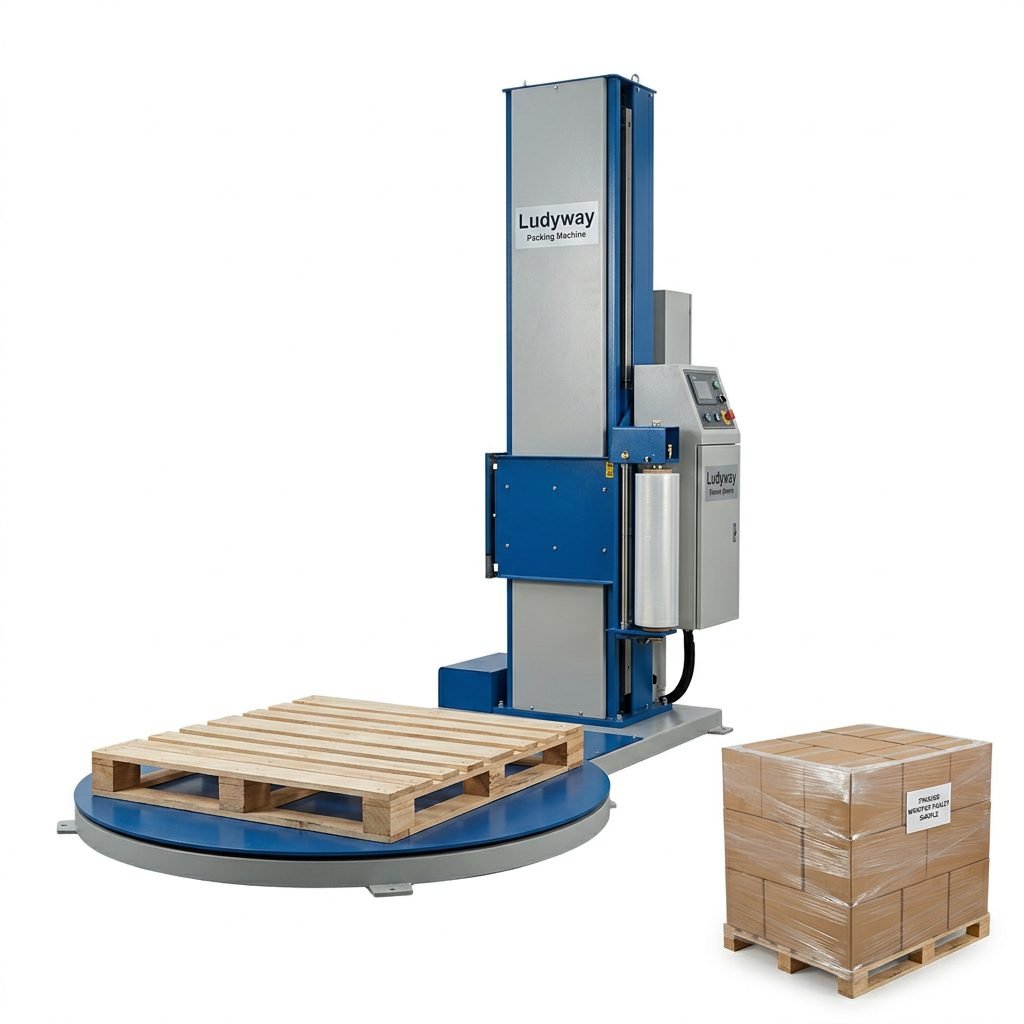
Businesses looking for complete automation often work with experienced manufacturers such as Ludyway shrink packaging machine solutions when they need scalable equipment or turnkey packaging line integration.
Common Mistakes to Avoid
- Choosing by price alone without checking application fit
- Ignoring future production growth
- Using unsuitable film for the product weight or shape
- Overlooking operator convenience and maintenance access
- Failing to test real product samples before final purchase
A machine should be selected based on packaging results, not just machine specifications on paper.
Best Practice: Request a Packaging Test
One of the most effective ways to choose the right shrink wrap solution is to send actual product samples to the supplier for testing. This helps confirm:
- Seal strength
- Film appearance
- Tunnel shrink performance
- Speed stability
- Product handling reliability
A sample test also makes it easier to compare machine configurations and decide whether you need a standalone machine or a fully integrated line.
Final Buying Checklist
- Define your product dimensions and packaging format
- Estimate current and future output requirements
- Confirm film type and pack presentation goals
- Check heat sensitivity and sealing needs
- Review floor space and line integration needs
- Evaluate machine durability, control system, and after-sales support
- Request a real product packaging test before ordering
When chosen correctly, a seal and shrink packaging machine becomes more than a wrapping device. It becomes a reliable part of your production strategy, helping you achieve better efficiency, stronger packaging consistency, and a more competitive product presentation.