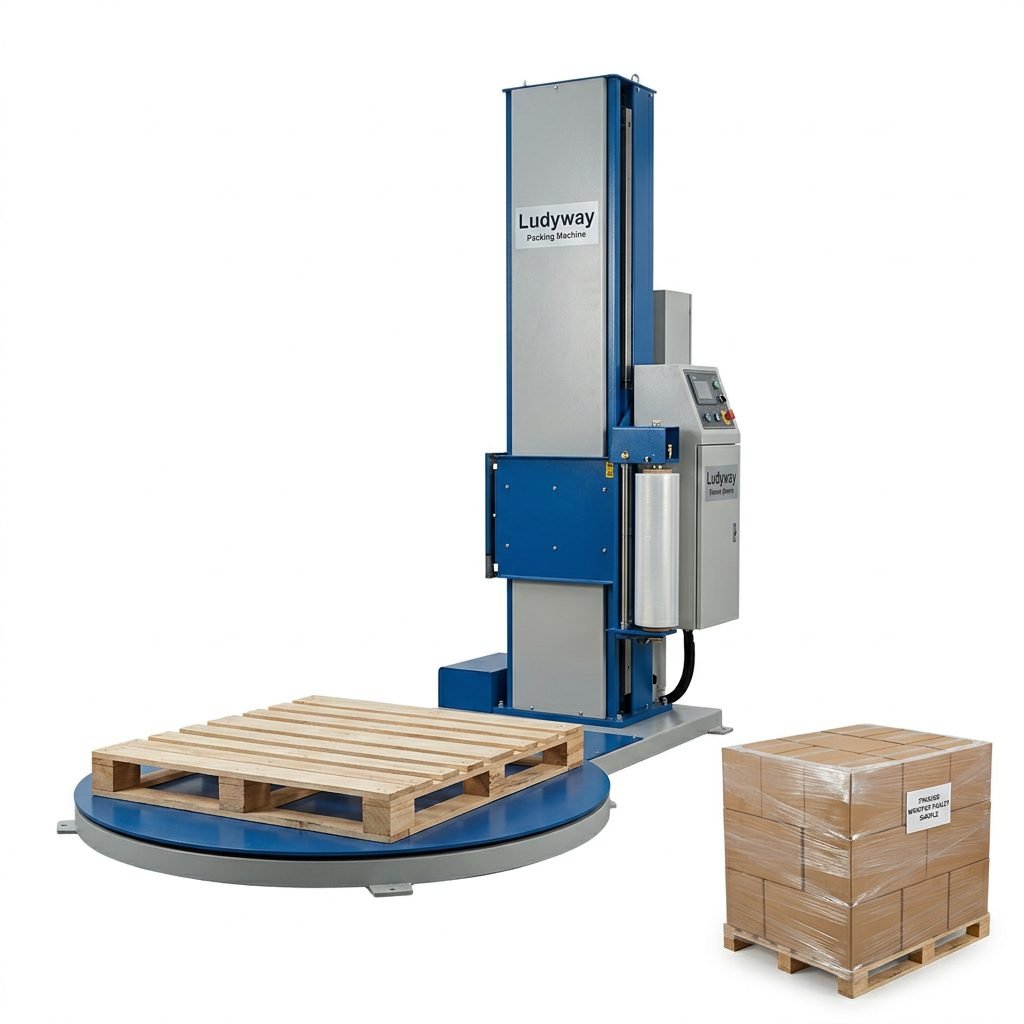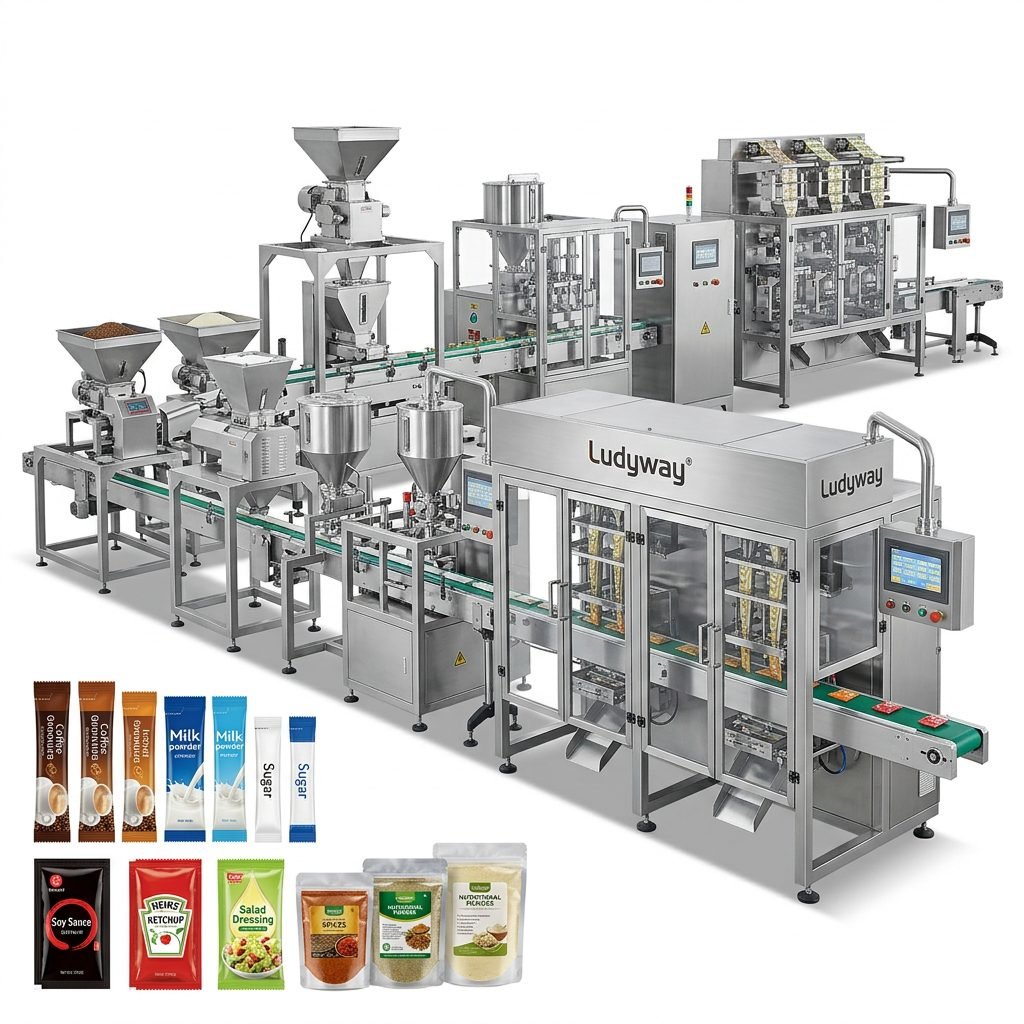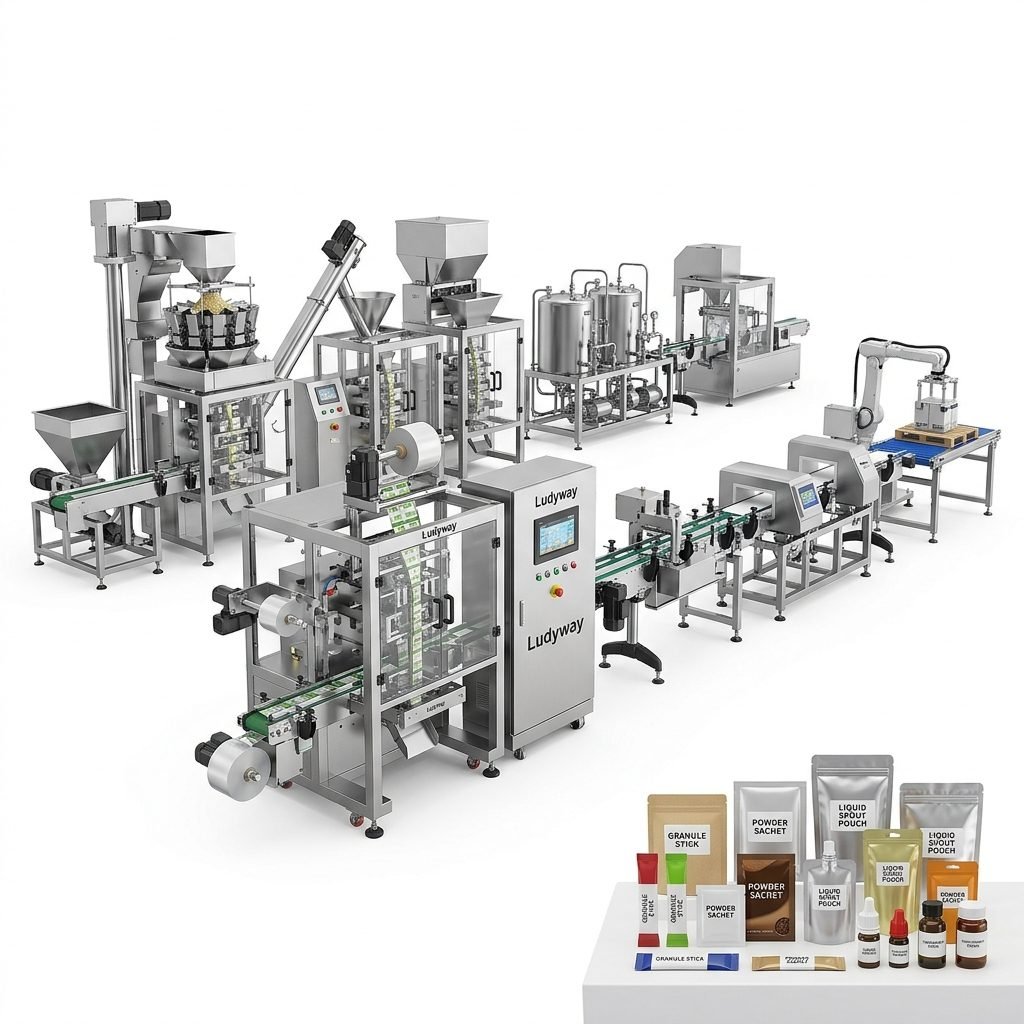
In the modern food processing industry, safety and shelf-life extension are paramount. As global regulatory bodies tighten rules around food-borne pathogens, manufacturers face growing pressure to implement ultra-hygienic packaging practices. The introduction of the latest generation vacuum packaging machine represents a significant leap forward, setting new benchmarks for sanitary design and operational efficiency. By addressing the critical points of contamination, this state-of-the-art machinery ensures that food products reach consumers in pristine condition, preserving freshness while eliminating safety hazards.
Vacuum packaging has long been trusted for its ability to extract oxygen, inhibit aerobic bacterial growth, and prevent oxidation. However, the machine itself can become a source of cross-contamination if not designed with strict sanitary protocols. The latest equipment address this vulnerability head-on, incorporating advanced engineering principles that prioritize ease of cleaning, microbial resistance, and robust performance under harsh washdown conditions.
The Crucial Link Between Machine Design and Food Safety
Traditional packaging machines often feature complex crevices, exposed threads, and hard-to-reach areas where food particles and moisture accumulate. Over time, these spots become breeding grounds for bacteria such as Listeria monocytogenes, Salmonella, and E. coli. To mitigate these risks, the new vacuum packaging systems employ a holistic hygienic approach.
Every aspect of the machinery, from the structural frame to the sealing components, is optimized for sanitation. By using high-grade stainless steel and minimizing horizontal surfaces where water can pool, these systems drastically reduce the time and chemical resources needed for daily sanitization. This not only secures food safety but also increases overall equipment effectiveness (OEE) by minimizing cleaning downtime.
Innovative Features of Modern High-Hygiene Vacuum Packers
To achieve the highest hygiene standards, the new vacuum packaging machine integrates several groundbreaking features designed to streamline sanitary operations:
- Full Stainless Steel Construction: The entire frame is fabricated from SUS304 or SUS316L stainless steel, offering superior resistance to corrosive cleaning agents and high-pressure water jets.
- Toolless Disassembly: Conveyor belts, sealing bars, and vacuum chamber plates can be removed without tools, allowing operators to perform thorough washdowns in minutes.
- IP69K Waterproof Rating: Critical electrical components and pneumatic valves are enclosed in IP69K-rated cabinets, protecting them against high-temperature, high-pressure spray-downs.
- Self-Draining Surfaces: The structural panels are sloped to ensure that water drains naturally during cleaning, preventing static moisture buildup.

Comparing Hygiene Standards: Standard vs. Advanced Systems
When selecting packaging equipment, understanding the differences in design philosophy is crucial for long-term compliance and product safety. The table below highlights the key differences between conventional vacuum sealers and the new high-hygiene models:
| Design Feature | Standard Vacuum Machines | Advanced High-Hygiene Machines |
|---|---|---|
| Main Material | Painted steel or standard alloy | SUS304 / SUS316L Stainless Steel |
| Water Protection | IP65 (splash resistant only) | IP69K (high-pressure washdown safe) |
| Cleaning Method | Manual wipe down, limited washdown | Direct spray washdown with CIP options |
| Welding Joints | Intermittent spot welding | Continuous, smooth ground welds |
Maximizing Shelf Life and Preserving Product Integrity
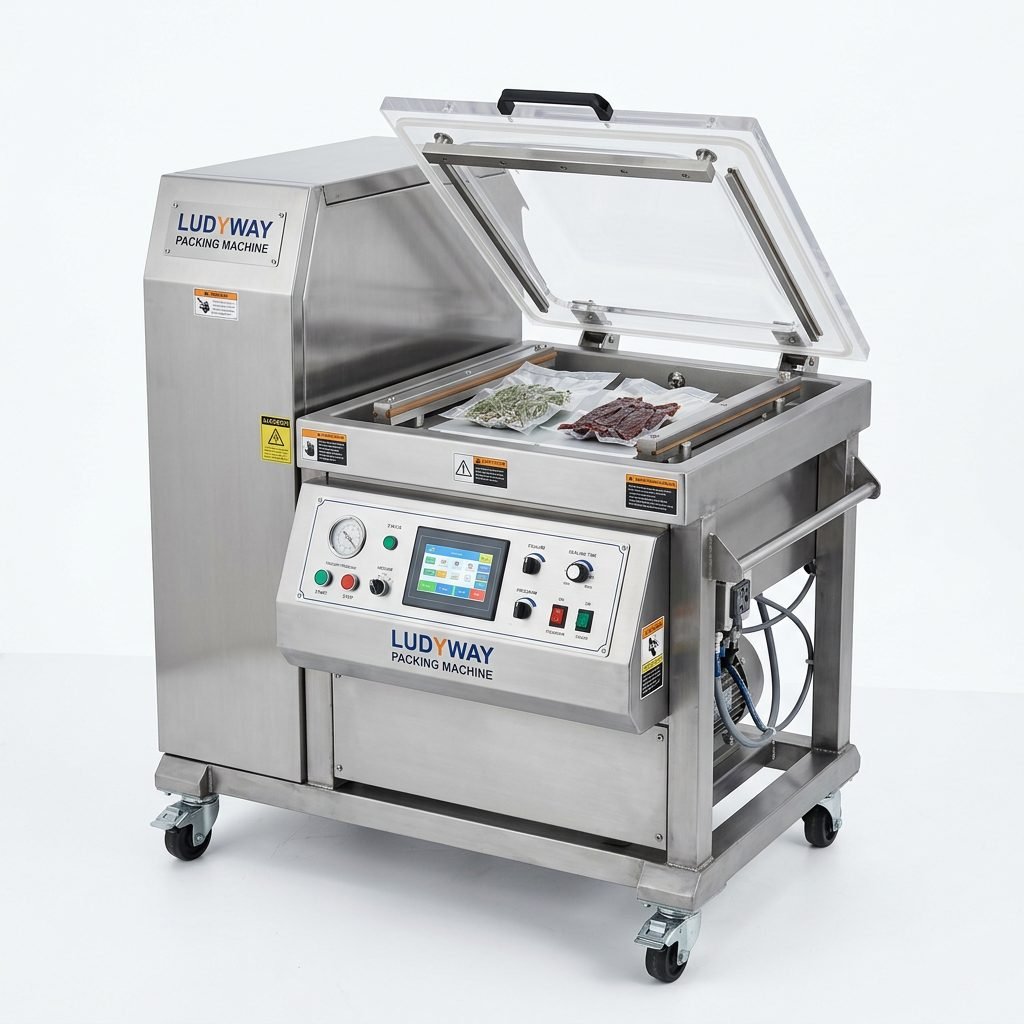
Beyond hygiene, the core function of vacuum packaging is maintaining product quality. The new machine features high-capacity vacuum pumps that achieve a residual oxygen level of less than 0.1%. This near-total elimination of oxygen slows down oxidation, color degradation, and moisture loss, preserving the natural texture and taste of the food.
For delicate items such as fresh meats, seafood, and soft cheeses, the machine supports Modified Atmosphere Packaging (MAP). By flushing the package with food-grade gas mixtures (such as nitrogen and carbon dioxide) before sealing, it cushions the product while preventing bacterial growth, ensuring optimal presentation on retail shelves.
Diverse Applications Across the Food Industry
The versatility of the new high-hygiene vacuum packaging machine makes it an invaluable asset for various sectors of the food processing industry:
- Meat and Poultry Processing: Easily handles moist and fatty products, ensuring secure seals even when contaminants are present in the seal area.
- Seafood Packaging: Prevents drip loss and preserves the delicate flavor profiles of fresh and frozen fish.
- Dairy Products: Extends the shelf life of blocks, slices, and shredded cheeses by preventing mold formation.
- Ready-to-Eat (RTE) Meals: Ensures sterile sealing for pre-cooked dishes, matching the strict standards of modern convenience food chains.
Investing in Long-Term Brand Security
In the food sector, a single contamination recall can destroy a brand’s reputation overnight. Implementing machinery designed with food safety at its core is a proactive measure that yields immense dividends. By investing in equipment that exceeds global sanitary standards, food processors protect their customers, reduce product waste, and achieve peace of mind.
For businesses looking to transition to fully automated packaging environments, sourcing from a reliable manufacturer is key. Working with an industry pioneer like Ludyway ensures access to advanced automatic packaging machinery and integrated production lines tailored to high hygiene requirements. With over 30 years of manufacturing experience, they deliver the engineering excellence required to keep your production line safe, efficient, and fully compliant with international food safety laws.