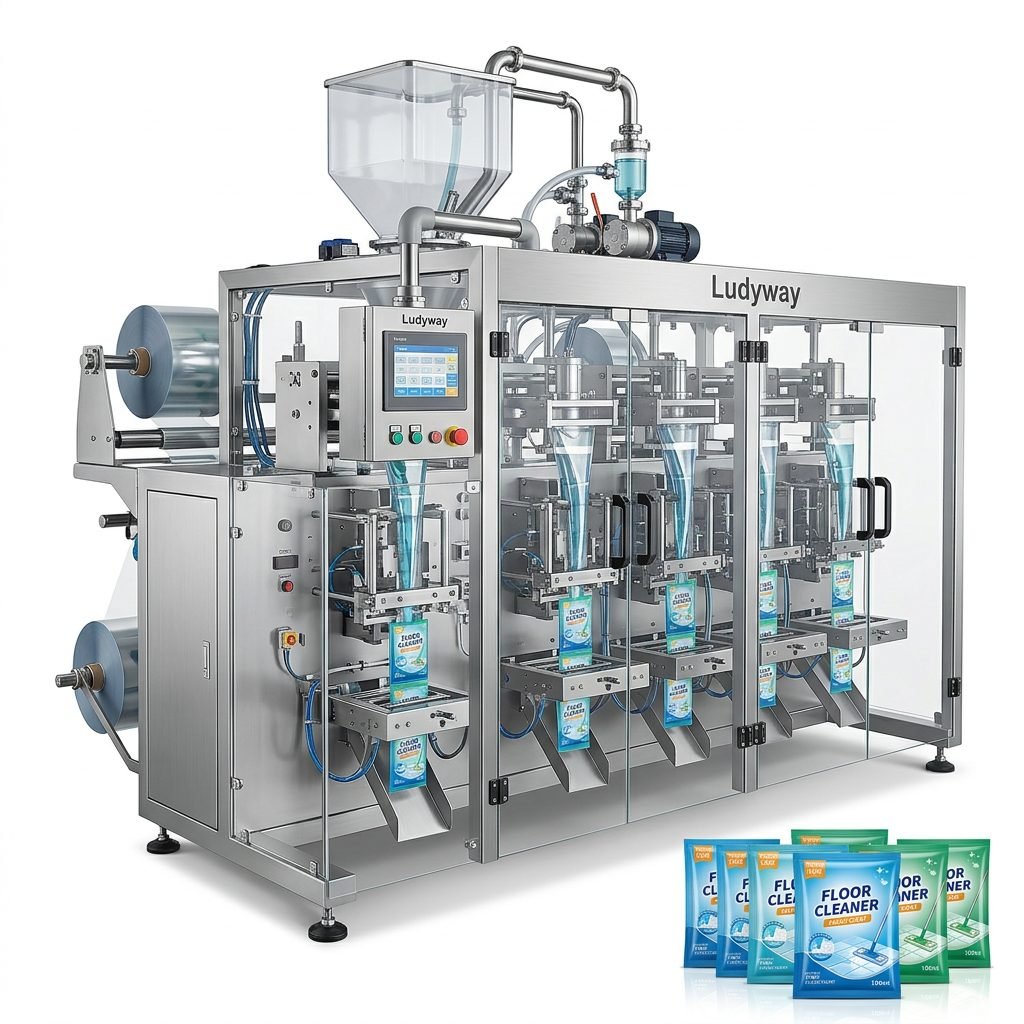
In the dynamic world of manufacturing and product distribution, metal packaging equipment plays a crucial role in ensuring product integrity, safety, and shelf appeal. From food and beverages to pharmaceuticals and industrial goods, the right metal packaging machinery can significantly enhance production efficiency, reduce costs, and maintain consistent quality. This comprehensive guide explores the various types of metal packaging equipment, their key applications across industries, and provides actionable insights on how to select the optimal machines for your specific operational needs.
Understanding Core Types of Metal Packaging Equipment
The landscape of metal packaging machinery is diverse, with each type designed for a specific stage in the packaging process. Understanding these categories is the first step toward making an informed investment.
1. Can Making and Forming Machinery
This category includes equipment that transforms flat metal sheets or coils into finished cans, containers, or closures. Key machines here are:
• Body Makers & Necking Machines: These form the cylindrical body of cans and create the tapered neck for easy filling and sealing. High-speed models are essential for beverage and food can production lines.
• End Presses (Lid & Bottom Stampers): Specialized presses that stamp out can ends (lids and bottoms) from coil stock, often incorporating scoring for easy-open features.
2. Filling and Sealing Equipment
Once containers are formed, they need to be filled and hermetically sealed. This is a critical phase for product safety.
• Volumetric & Piston Fillers: Precisely dispense liquid, semi-liquid, or viscous products (like sauces, oils, or paints) into cans. Accuracy is paramount to avoid underfills or costly overfills.
• Can Seamers (Double Seamers): The workhorse of metal packaging. These machines create an airtight, double-folded seam to attach the lid to the can body, crucial for sterility in food and pharmaceutical applications.
3. Decoration and Labeling Systems
Branding and regulatory information are applied to metal containers through these processes.
• Lithographic Printing Presses: Apply high-quality, multi-color graphics directly onto metal sheets or pre-formed cans.
• Sleeve Labeling & Shrink Tunnels: Apply plastic or film labels to cylindrical cans, which are then shrunk for a tight fit using heat.
• Coders and Laser Markers: Print batch codes, expiry dates, and barcodes directly onto the metal surface.
4. Ancillary and Line Integration Equipment
These machines support the main line, ensuring smooth, continuous operation.
• Conveyors & Accumulation Tables: Transport cans between stations and manage flow to prevent bottlenecks.
• Empty Can Depalletizers & Palletizers: Automate the loading of empty cans into the line and the stacking of filled cases onto pallets.
• Washing & Sterilizing Tunnels: Clean containers before filling, especially critical in aseptic packaging for dairy or ready-to-drink beverages.
Key Applications Across Major Industries
Metal packaging is valued for its strength, barrier properties, and recyclability, making it indispensable in several sectors.
Food and Beverage Industry
This is the largest application area. Metal cans protect contents from light, oxygen, and contamination, extending shelf life without refrigeration.
Application Examples: Carbonated soft drinks, beer, canned vegetables, fruits, soups, seafood, and pet food. High-speed rotary filling and seaming lines are standard here.
Pharmaceutical and Healthcare
Aerosol cans for inhalers, ointment tubes, and metal containers for medical powders demand extreme precision and cleanliness. Equipment often requires GMP (Good Manufacturing Practice) compliance and cleanroom compatibility.
Chemical and Industrial Products
Paints, lubricants, adhesives, and industrial powders are packaged in metal pails, drums, or cans. Machinery for these products must handle higher viscosities and sometimes hazardous materials, with a focus on robust construction and safety features.
Personal Care and Cosmetics
Deodorant aerosols, hairspray, and premium cosmetic tins use specialized filling equipment for creams, gases (propellants), and delicate formulations. Decorative appeal is often as important as functionality.
How to Choose the Right Metal Packaging Machines: A Strategic Guide
Selecting equipment is a significant capital decision. Here’s a structured approach to ensure you choose machinery that delivers a strong return on investment.
1. Define Your Product and Production Parameters
Start with a clear understanding of your own needs:
• Product Characteristics: Is it liquid, powder, solid? What is its viscosity, acidity, or abrasiveness? This determines filler type and material contact parts.
• Container Specs: Can size, shape, material (aluminum, tinplate), and lid type. Your machine must be compatible or easily adjustable.
• Required Output Speed (CPM – Cans Per Minute): Calculate your current and projected future volumes. Don’t under-specify and create a bottleneck, nor over-specify and waste capital.
• Floor Space & Utilities: Measure available space and ensure you have the required electrical supply, compressed air, and water/drainage connections.
2. Evaluate Machine Capabilities and Technology
Look beyond the basic specifications to the technology that ensures performance.
• Precision & Accuracy: For fillers, what is the weight/volume tolerance? For seamers, what is the seam consistency? This directly impacts product give-away and seal integrity.
• Flexibility & Changeover: How quickly and easily can you switch between different can sizes or products? Look for machines with quick-change parts and digital memory settings.
• Control System & Connectivity: Modern machines feature PLC (Programmable Logic Controller) touchscreens with recipe storage, diagnostic tools, and often Industry 4.0 capabilities for data collection and integration with plant monitoring systems.
3. Assess Build Quality and Supplier Support
The machine’s construction and the manufacturer behind it are critical for long-term reliability.
• Construction Materials: Frame should be heavy-duty steel. Product contact parts for food/pharma should be stainless steel (e.g., 304 or 316L) and easy to clean.
• Supplier Reputation & Experience: Choose a supplier with a proven track record in your specific industry. For instance, a company like Ludyway Packing Machine, with deep expertise in packaging solutions, understands the nuanced requirements of different sectors.
• After-Sales Service: Availability of spare parts, technical support, and service engineers is non-negotiable. Ask about warranty terms, training programs for your operators, and the supplier’s global support network if you have international operations.
4. Consider Total Cost of Ownership (TCO) and ROI
The purchase price is just one part of the cost equation.
• Energy & Consumable Efficiency: How much compressed air or water does the machine use? Efficient designs lower ongoing operational costs.
• Maintenance Requirements: Machines designed for easy access and preventive maintenance reduce downtime and labor costs.
• Scalability: Can the line be easily upgraded or integrated with additional modules (like a checkweigher or vision inspection system) in the future?
Conclusion: Investing in Efficiency and Quality
Choosing the right metal packaging equipment is a strategic decision that impacts your production efficiency, product quality, and bottom line for years to come. By thoroughly analyzing your product requirements, understanding the different machine types and their applications, and rigorously evaluating potential suppliers on both technology and support, you can build a packaging line that is not only capable but also reliable and adaptable to future growth. Partnering with an experienced provider ensures you gain from industry best practices and technological advancements, securing your investment in the competitive marketplace.
Frequently Asked Questions (FAQs)
1. What is the main difference between aluminum and tinplate packaging machinery?
While many machines can handle both, key differences exist. Aluminum is softer and lighter. Machinery for aluminum often requires more delicate handling and precise tension control during forming to prevent wrinkling or tearing. Tinplate is stiffer; forming equipment must be more robust. Seaming parameters (roller pressure, profile) also differ slightly between the two materials to achieve an optimal hermetic seal.
2. How often does metal packaging equipment require major maintenance?
This depends heavily on usage and the machine’s duty cycle. A high-speed beverage line running 24/7 will need more frequent attention than a batch-operated line for specialty foods. Generally, a comprehensive preventive maintenance (PM) service should be performed semi-annually or annually, as recommended by the manufacturer. Daily and weekly cleaning and lubrication are essential to prevent major issues.
3. Can I integrate new metal packaging machines with my existing older equipment?
Yes, integration is often possible but requires careful planning. The key factors are communication protocol compatibility (older machines may use relay logic, while new ones use Ethernet/IP or Profinet) and mechanical interfacing (line height, can transfer mechanisms, speed synchronization). An experienced systems integrator or your machinery supplier can assess feasibility and design the necessary interfaces or conveyors.
4. What are the key safety features to look for in modern packaging machinery?
Essential safety features include: Lockout-Tagout (LOTO) compliance, guarded moving parts, emergency stop buttons at multiple points along the line, light curtains or safety mats in hazardous zones, and pressure relief systems on pneumatic components. Machines should comply with international safety standards like CE (Europe) or ANSI/UL (North America).
5. How can I improve the sustainability of my metal packaging operation?
Choosing energy-efficient motors and drives, opting for machines that minimize material waste (through precise filling and reduced giveaway), and selecting equipment compatible with lightweighting initiatives (thinner gauge metal cans) are great starts. Furthermore, partnering with a supplier committed to sustainable engineering practices, such as Ludyway Machinery which focuses on efficient and innovative solutions, can help align your production with environmental goals.