
Instapak Foam Packaging Machine for Protective Packaging
Engineered for high-throughput void fill, precision custom blocking, and ultimate impact resistance. Our automated foam-in-place technology delivers expanding polyurethane protection within seconds, lowering shipping damage rates, minimizing warehouse storage, and maximizing total packaging efficiency.
How Instapak Foam-in-Place Technology Protects High-Value Assets
Traditional void-fill materials like bubble wrap, polystyrene peanuts, and bulky corrugated inserts consume massive storage space and leave vulnerable shock transmission pathways. The Instapak foam packaging machine operates on precision chemical metering that expands polyurethane foam on demand, creating custom molds tailored exactly around delicate geometric profiles.
Precision Volumetric Expansion
Two liquid components (Component A Isocyanate and Component B Polyol blend) are heated and pressurized independently, then combined in a high-velocity self-cleaning mixing chamber. Upon release into a high-barrier film bag, the formulation expands up to 280 times its liquid volume, conforming smoothly across sharp contours without applying crushing force.
Dynamic Deceleration & Cushioning
Unlike rigid plastics that fracture or bubble wraps that bottom out under heavy shock, micro-cellular polyurethane foam absorbs impact energy through elastic cell wall compression. This dissipates kinetic shock spikes (G-force), isolating precision lab equipment, heavy motor assemblies, and fragile optics from transit drops.
Total Warehouse Footprint Reduction
Two 55-gallon chemical drums can generate an entire trailer load of expanded protective packaging cushions. By transitioning to on-demand foam dispensing, fulfillment centers reduce warehouse staging requirements by up to 90%, reclaiming valuable floor space for manufacturing and assembly operations.
Engineering Excellence & AI Control Systems
Our protective packaging systems integrate state-of-the-art microprocessors that monitor viscosity, temperature profiles, and ratio balancing in real-time, preventing nozzle clogs and guaranteeing foam consistency.
Digital Smart Metering & Temperature Conditioning
Closed-loop PID heat controllers maintain chemical vessels at precise reaction temperatures (approx. 130°F / 54°C) to yield uniform cellular density and rapid expansion rates.
Automated Continuous Bag Dispenser (Bagging Mode)
Custom preset touchscreens allow operators to program bag length and chemical dosage with a single tap, achieving up to 16 foam-filled bags per minute for continuous pack lines.
Self-Cleaning High-Velocity Mixing Head
Patented mechanical purge design eliminates chemical residue within the nozzle, wiping mixing chambers clean without needing toxic solvents or hazardous cleaning agents.

Industrial Foam Packaging Machine Specifications
Review our comprehensive technical parameters. All units can be customized for decentralized tabletop workstations or high-speed automated carton conveyor lines.
| Technical Parameter | Compact Tabletop Model | High-Speed Bagging System | Integrated Inline Line System |
|---|---|---|---|
| Dispensing Mode | Handheld Foam Gun / On-Demand | Automated Bag Maker & Sealer | Continuous Conveyor Inline System |
| Production Output | Operator Controlled (Manual) | 12 – 16 bags / min | Up to 24 bags / min |
| Expansion Volume | Up to 200:1 Ratio | Up to 280:1 Ratio | Up to 280:1 Ratio |
| Preheat Time | 10 – 15 Minutes | 12 – 18 Minutes | Fast Pre-heat (Instant Ready) |
| Chemical Supply | 15-Gal / 55-Gal Drums | 55-Gal Drums / 275-Gal IBC Tote | Bulk Centralized Chemical Station |
| Power Requirements | 220-240V, 1-Phase, 16A | 220-240V, 1-Phase, 20A | 380-415V, 3-Phase, 32A |
| Compressed Air | Not Required / Internal Pump | 6 Bar (87 PSI) Clean Dry Air | 6 – 7 Bar Continuous Supply |
| Safety Diagnostics | Thermal Overload & Flow Sensors | Auto Purge & Jam Protection | Full SCADA / PLC Interlock |
Custom Protective Packaging Applications
Whether protecting fragile porcelain or heavy industrial pump gearboxes, an Instapak foam packaging machine adapts to four distinct packaging methods to maximize structural security.
Precision Blocking & Bracing
Positions heavy components firmly inside shipping crates, immobilizing corners and shafts to eliminate dynamic movement during rough ocean or freight handling.
High-Speed Void Fill
Dispenses light-density foam bags directly into master cartons, sealing unoccupied space within seconds to prevent carton collapse under pallet stacking weight.
Custom Molded Cushioning
Uses pre-fabricated wooden or aluminum matrix molds to cure repetitive foam cushions, creating ergonomic top-and-bottom caps for standardized production lines.
Surface Protection & Wrapping
Encapsulates intricate surfaces such as medical optical sensors, aircraft engine turbine blades, and automotive lights against abrasive scratching and shock.
Why Investing in Foam-in-Place Packaging Delivers Rapid ROI
When evaluating total logistics expenses, direct material price is only one factor. The Instapak system eliminates secondary damages, cuts volumetric freight surcharges, and streamlines labor throughput.
1. Substantial Reductions in Freight & Dimensional Weight
Bulky custom pre-formed styrofoam corners force shippers to use oversized corrugated boxes, causing massive dimensional weight fees from courier carriers. Instapak foam forms a tight, snug shell directly to product contours, reducing box volume by up to 35% and saving thousands on monthly freight charges.
2. Near-Zero Shipping Damage & Return Claims
In-transit vibration, sorting hub drops, and rough handling result in high return rates for fragile assemblies. Providing 360-degree all-around energy absorption, our polyurethane foam technology lowers freight warranty damage claims to less than 0.05%, protecting your brand reputation and customer satisfaction.
3. Significant Labor Efficiency & Faster Pack Cycles
Operators spend excessive time cutting cardboard dividers or wrapping meters of bubble wrap. With an automated Instapak bagging system, an operator can create custom cushions in under 15 seconds, allowing one packaging station to process the workload previously requiring three operators.
4. Lower Carbon Footprint & Environmental Impact
Because the liquid chemical expands up to 280 times on-site, transporting raw chemicals takes up a fraction of the truckload space needed for pre-expanded packaging materials like bubble or EPS foam. This eliminates thousands of miles of transport emissions every year.
Ludyway Packaging Machine Manufacturing Power
Ludyway is one of the largest packaging machinery manufacturers in China, specializing in advanced protective packaging equipment, automated filling lines, and turnkey industrial systems. With over 30 years of deep engineering expertise, we deliver robust and intelligent packaging machinery engineered to meet stringent global standards across 100+ countries.
Supported by our modern 20,000㎡ manufacturing facility and an expert engineering team, Ludyway provides over 50 intelligent machine models, spanning from protective foam dispensing systems to turnkey sachet, pouch, cartoning, and end-of-line palletizing solutions.

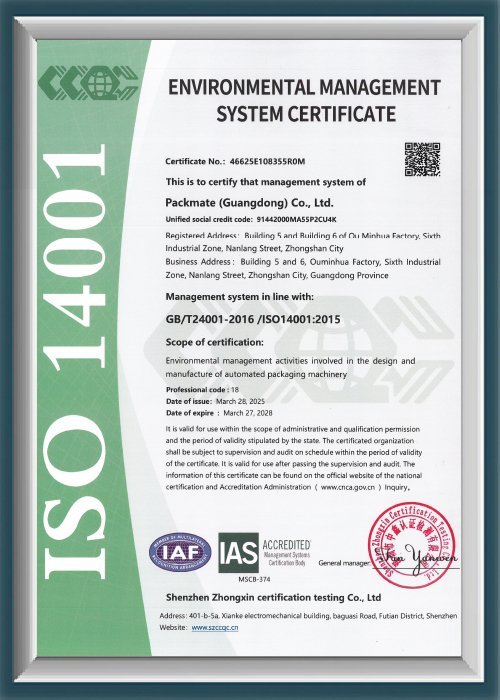
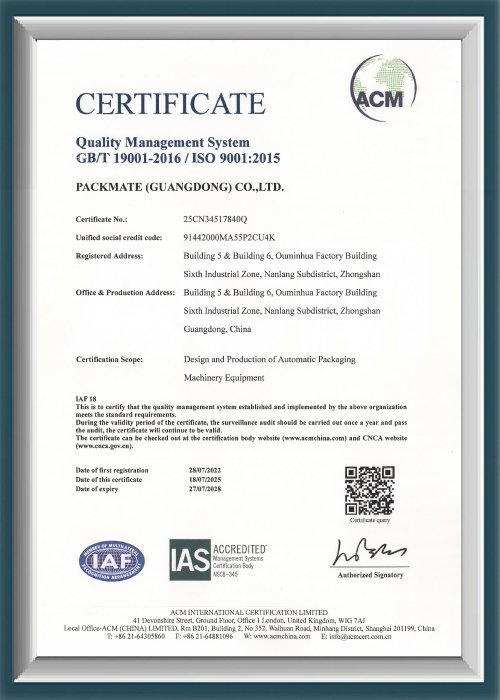
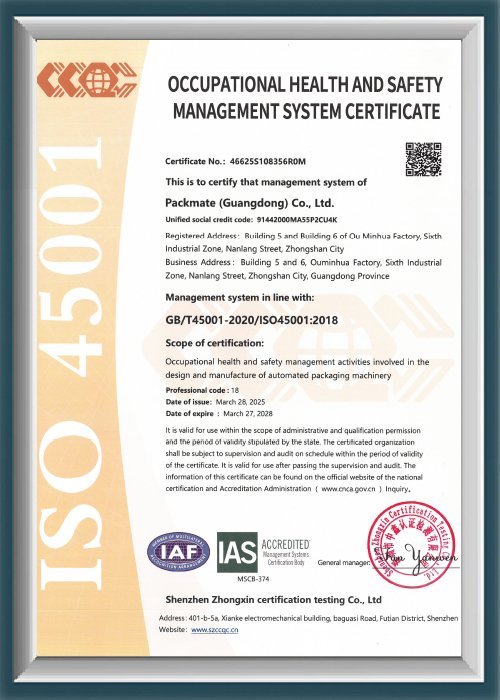
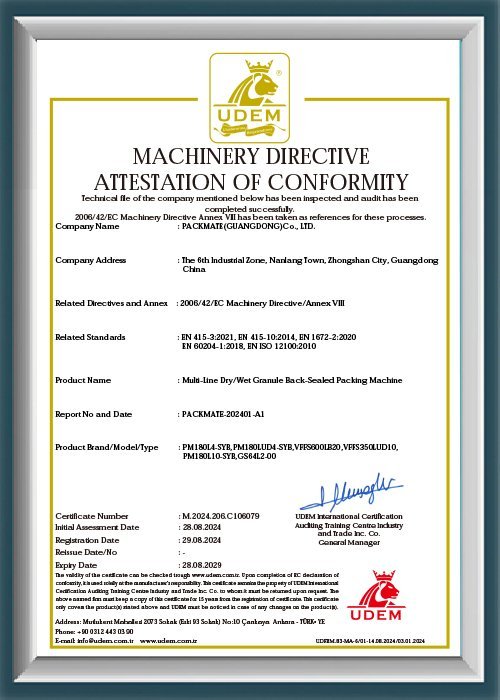
Trusted by Leading Global Packaging Brands
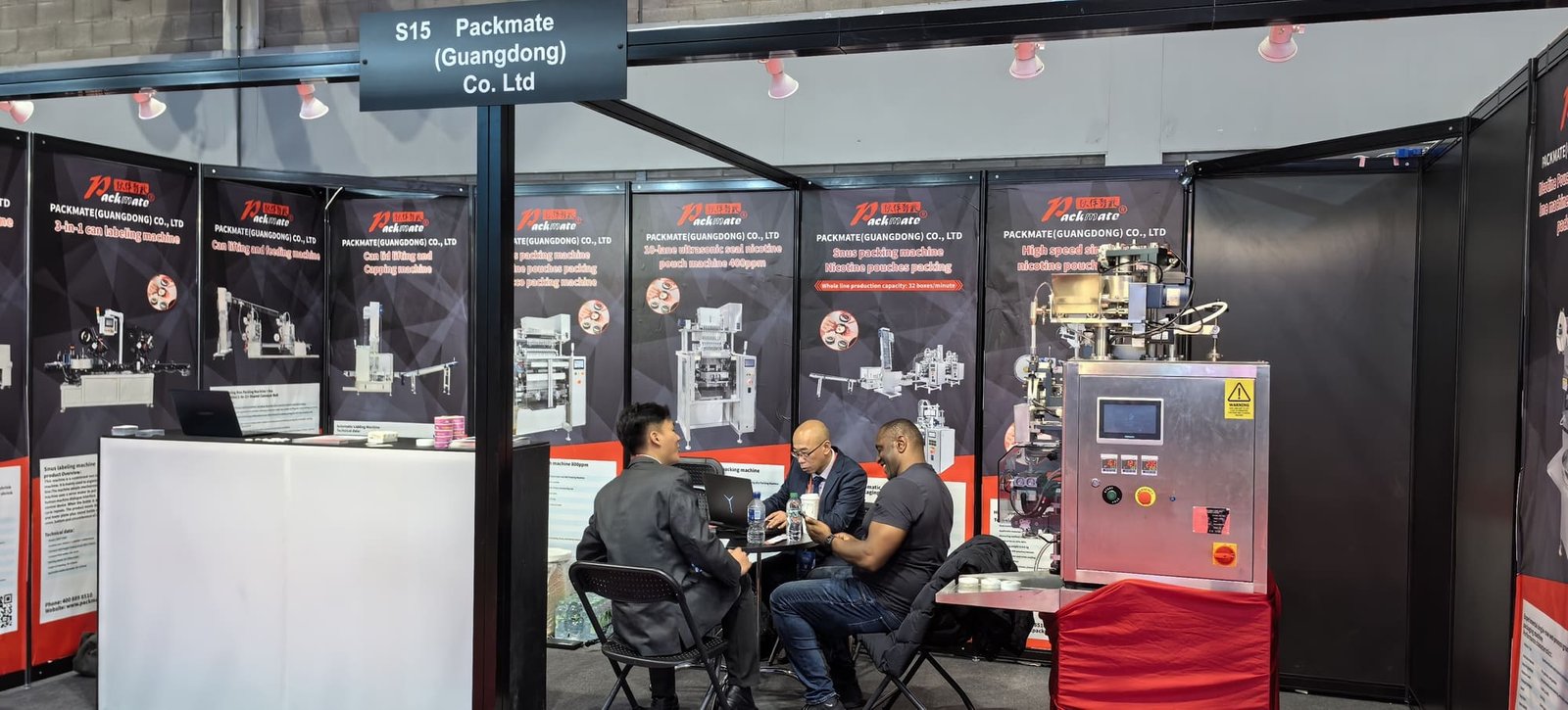
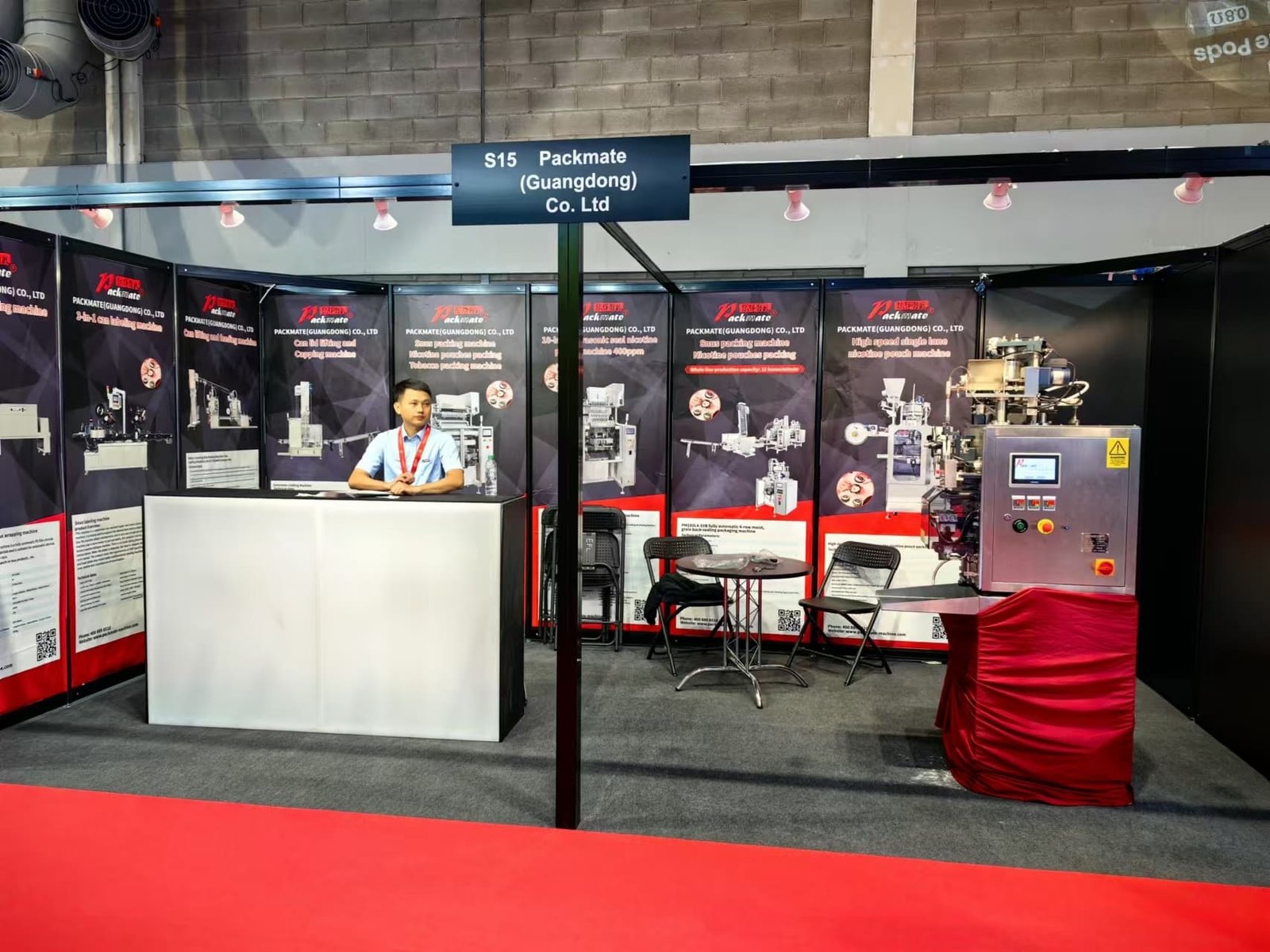
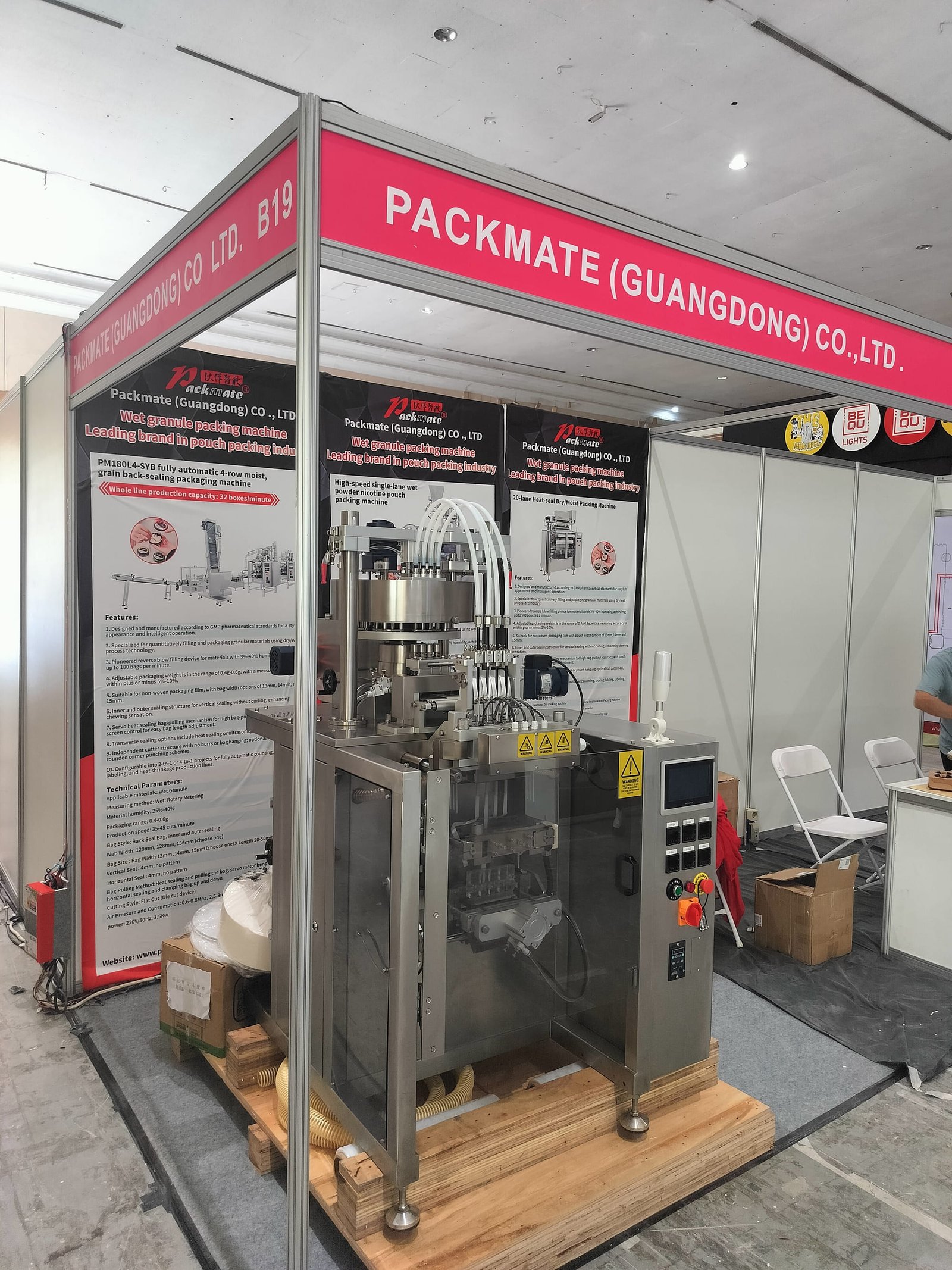
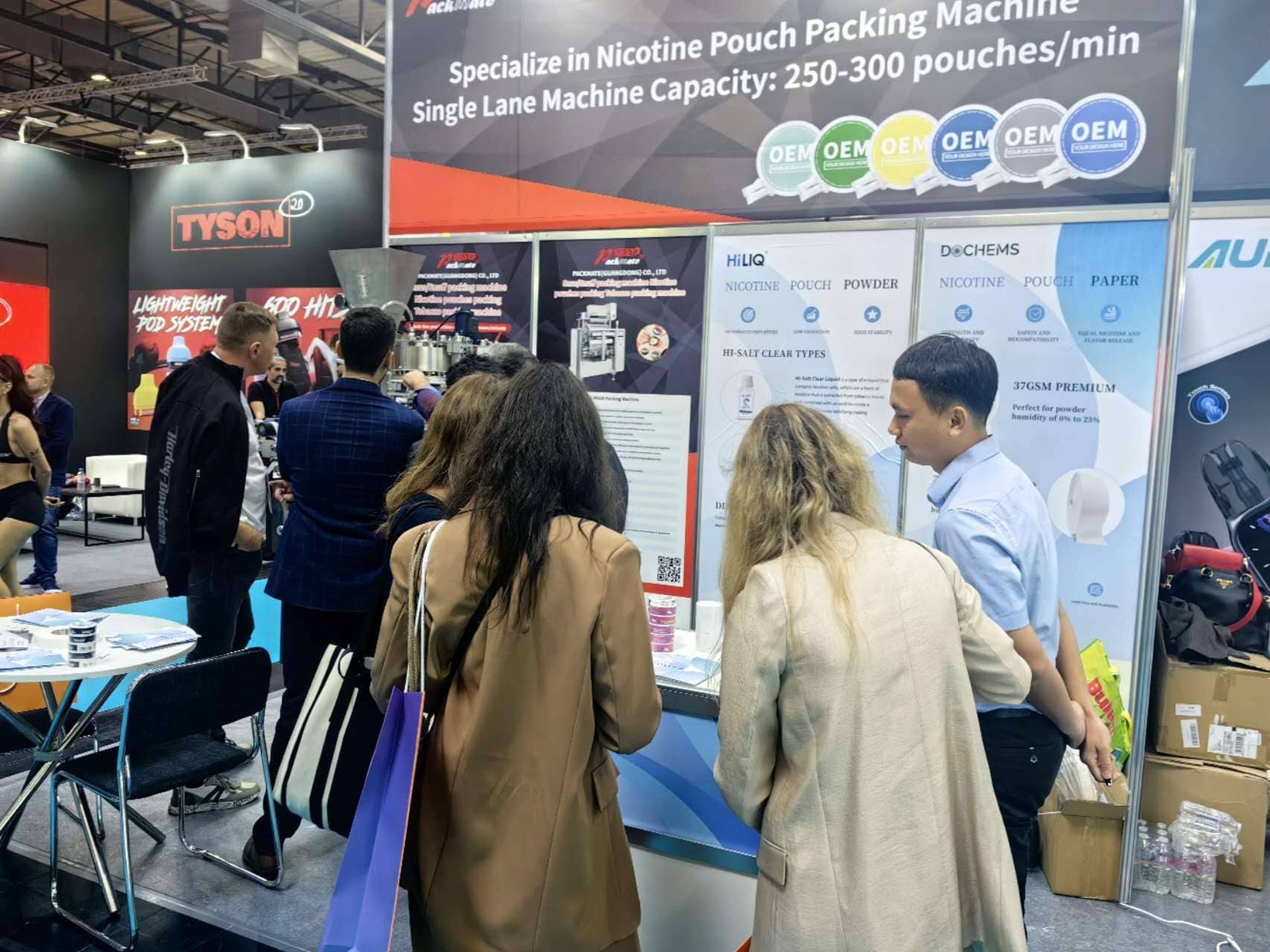
From international packaging expos in Germany, the USA, and Dubai to industrial manufacturing facilities across the globe, Ludyway equipment continues to set the benchmark for operational reliability.








Complementary Industrial Packaging Equipment
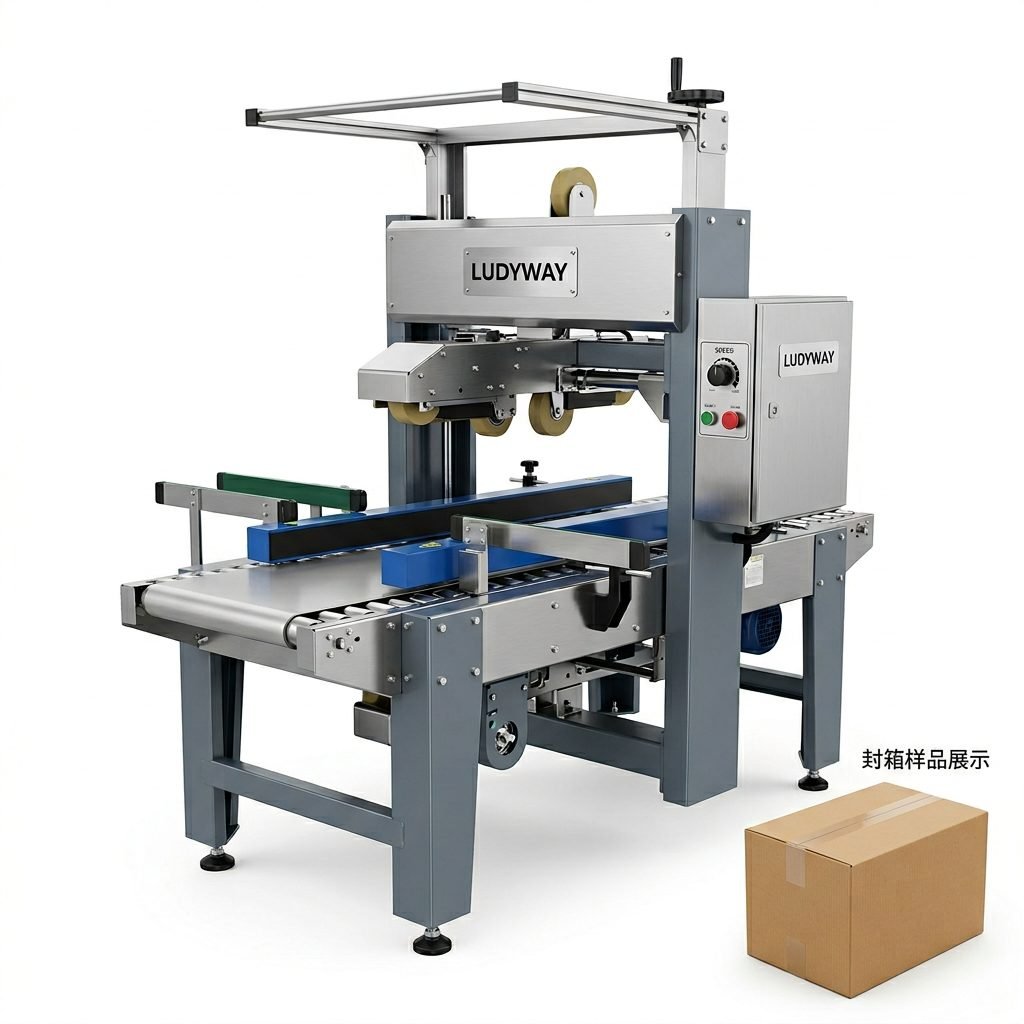
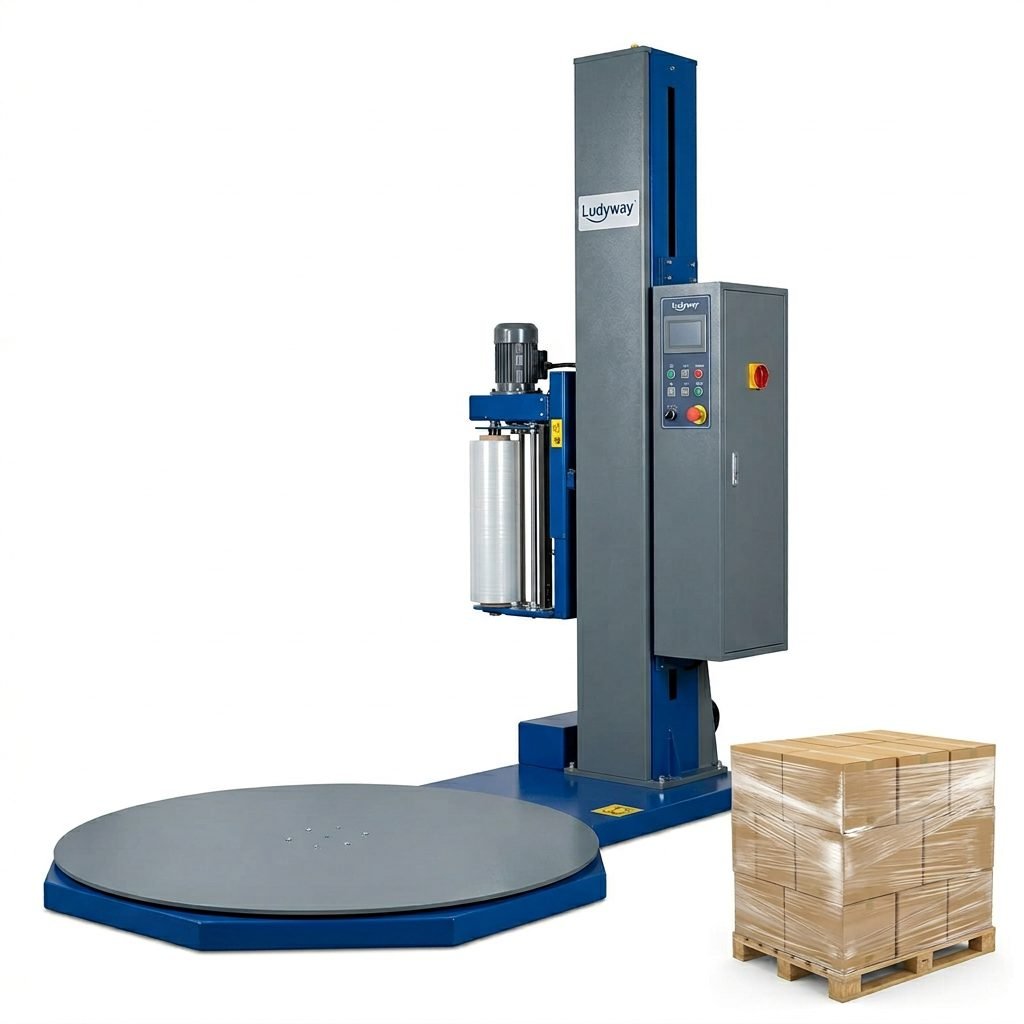
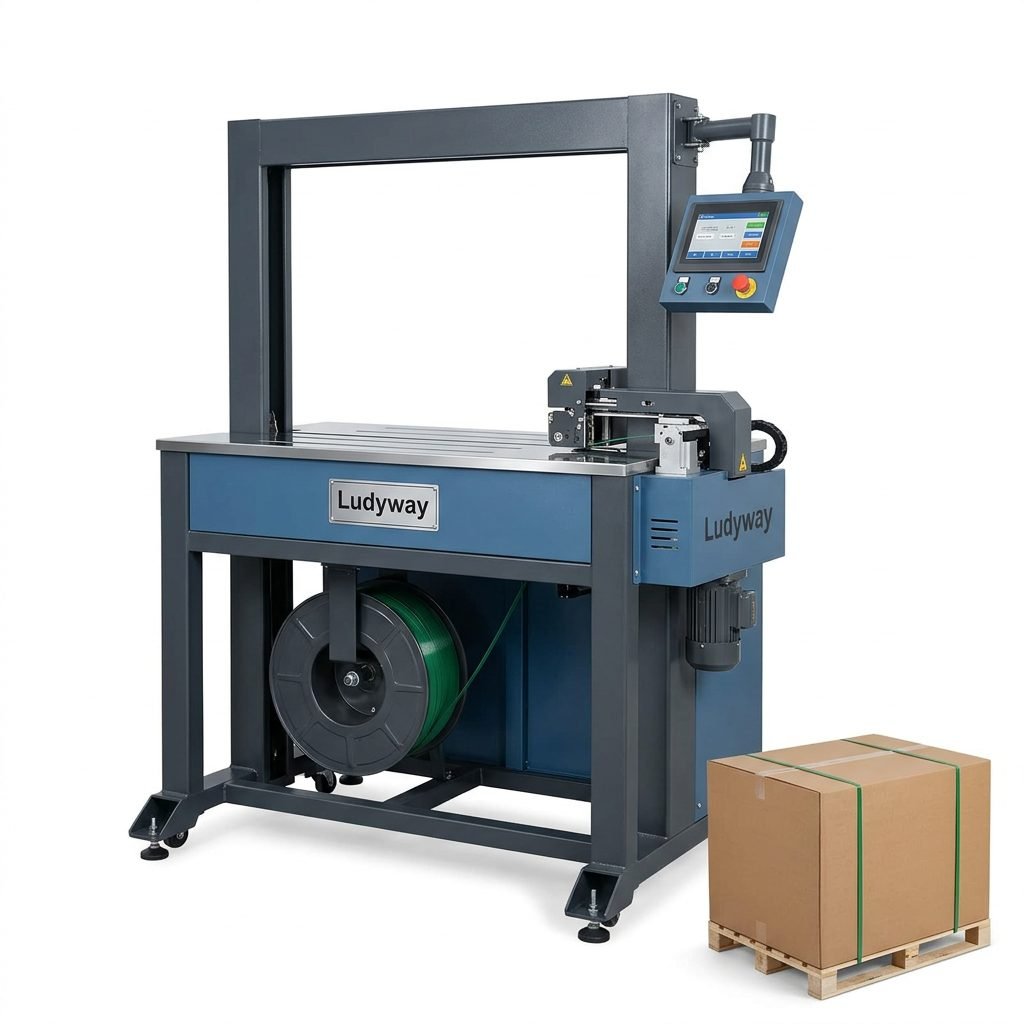
Pair your Instapak foam protective systems with our high-speed carton erectors, carton sealers, checkweighers, and automated conveyors for an end-to-end smart packing line.





Instapak Foam Packaging Machine Insights
Get answers to the most common engineering, operational, and chemical maintenance questions regarding our foam protective equipment.
How does an Instapak machine prevent the foam from sticking to the packaged product?
In standard operations, the expanding polyurethane chemical reaction occurs entirely inside a high-barrier polyethylene film bag (known as the foam-in-bag process). The film acts as a clean, impervious shield, ensuring that the expanding foam never touches or adheres to the surface of the finished product.
What is the shelf life and storage requirement for the Component A and B chemicals?
Unopened chemical drums stored in a climate-controlled warehouse between 65°F to 85°F (18°C – 29°C) typically maintain a shelf life of 12 to 24 months. Drums should be kept sealed to prevent atmospheric moisture absorption in Component A (Isocyanate).
How much warehouse space can we realistically save by switching to foam-in-place?
A single 55-gallon drum set of foam chemicals expands to approximately 3,000 cubic feet of solid cushioning foam upon dispensing. That is equivalent to roughly one full 53-foot truckload of expanded polystyrene blocks or hundreds of rolls of bubble film, reducing raw material storage space by up to 90%.
What routine maintenance does the dispensing nozzle and pump unit require?
Our machines feature an automatic mechanical purge piston that self-cleans the mixing chamber after every dispensing cycle. Routine maintenance is limited to periodic wiping of external tips, checking hydraulic filter screens, and ensuring preheat circulation lines remain free of contaminants.
Can the machine handle both heavy industrial parts and fragile electronic sensors?
Yes. The cushioning firmness can be fine-tuned by selecting the chemical density grade (e.g., light void fill density vs. heavy-duty blocking density) and adjusting the dispenser volume preset via the intelligent digital touchscreen.
Is the cured polyurethane foam recyclable and environmentally compliant?
Cured polyurethane foam is chemically inert and CFC/HCFC-free. Many modern waste-to-energy facilities safely recover caloric value from used foam cushions. Additionally, the extreme reduction in transit transport volume significantly reduces total life-cycle logistics carbon emissions.