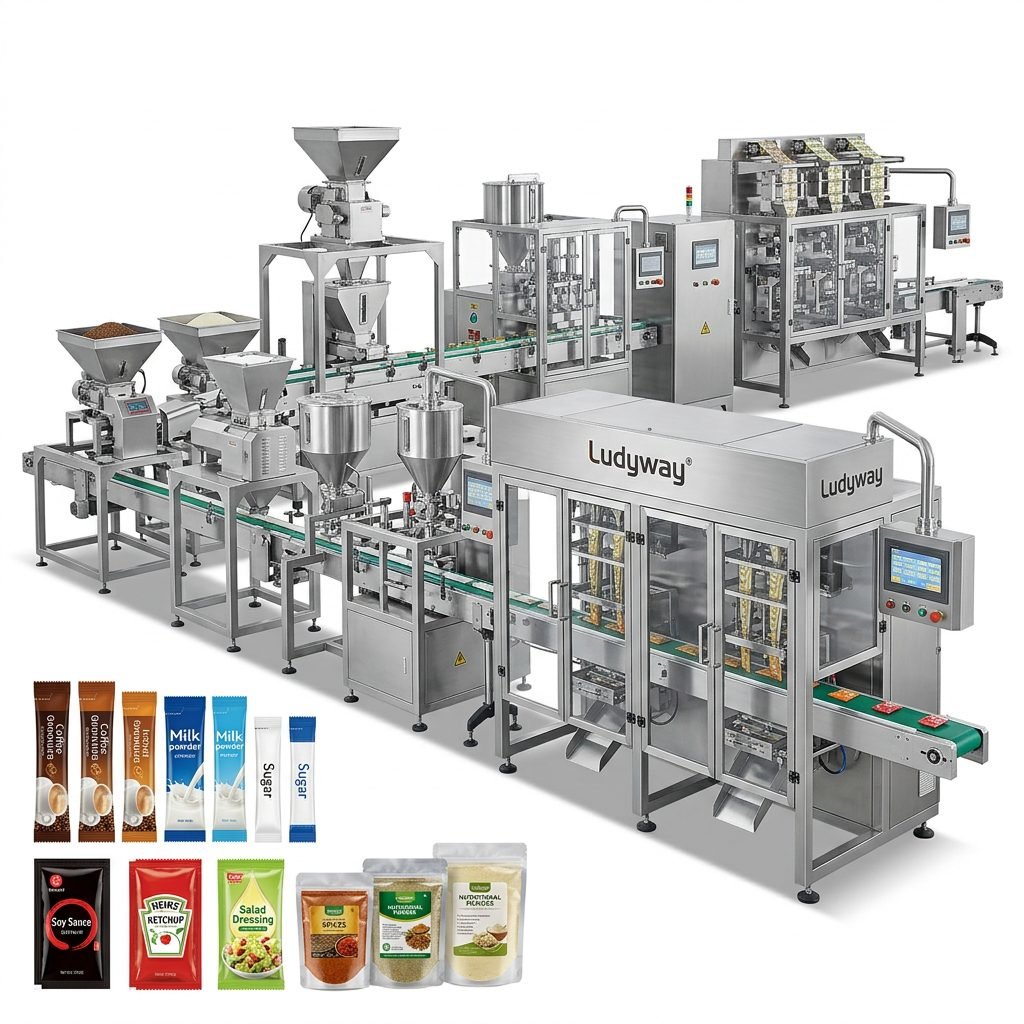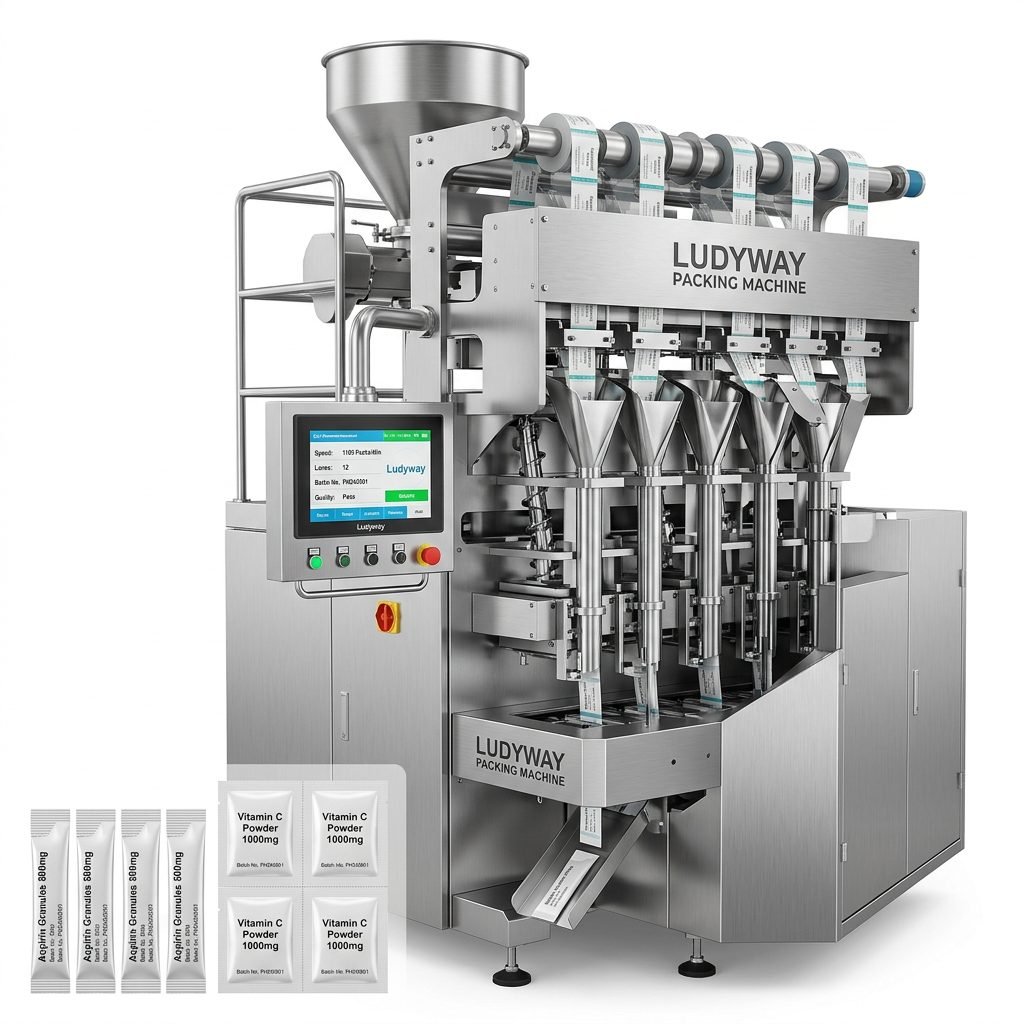
In today’s fast-paced manufacturing landscape, achieving operational excellence hinges on the seamless integration of high‑efficiency packaging machinery. For sectors as critical and diverse as food, beverage, and industrial production, the right packaging solution is not merely an endpoint but a strategic component of the entire supply chain. It directly influences product integrity, shelf life, brand perception, and, ultimately, the bottom line. This article delves into the sophisticated world of advanced packaging machinery, exploring how tailored, automated solutions are revolutionizing production lines by enhancing speed, precision, and adaptability to meet ever-evolving market demands.
The Critical Role of Packaging in Modern Production
Packaging serves a multifaceted role that extends far beyond simple containment. In the food and beverage industry, it is the primary guardian of safety and freshness, creating a barrier against contaminants, moisture, and oxygen. For industrial products, such as chemicals, hardware, or construction materials, packaging ensures safe handling, transportation, and accurate portioning. The efficiency of the machinery that performs these tasks determines production throughput, waste levels, and operational costs. Therefore, investing in high‑efficiency packaging systems is an investment in product quality, brand reliability, and sustainable business growth.
Key Benefits of Optimized Packaging Lines:
- Enhanced Product Protection & Shelf Life: Advanced sealing and barrier technologies preserve product quality.
- Significant Reduction in Material Waste: Precision dosing and cutting minimize overuse of packaging films and materials.
- Substantial Increase in Production Speed: Automated systems operate continuously, dramatically boosting output.
- Improved Operational Safety: Minimizes manual handling, reducing workplace injuries and contamination risks.
- Greater Flexibility & Quick Changeovers: Modern machines can be quickly reconfigured for different products, sizes, and materials.
Food & Beverage Sector: Precision Meets Hygiene
The food and beverage industry operates under the most stringent regulations, where hygiene, accuracy, and speed are non‑negotiable. High‑efficiency packaging solutions for this sector must handle a vast array of products—from dry granules and powders to viscous liquids and delicate snacks—without compromising on safety. Machines like multi‑lane stick pack machines and automated sachet packaging systems excel here. They offer ultra‑precise dosing, ensuring each packet contains the exact weight, which is crucial for recipe consistency and cost control. Furthermore, these systems are constructed with food‑grade materials and designed for easy cleaning (CIP/SIP capabilities), maintaining the highest sanitary standards throughout production runs.
Industrial Production: Durability and Reliability
Industrial packaging demands robustness and reliability. Whether packaging abrasive powders, corrosive chemicals, or heavy‑duty hardware components, the machinery must be engineered for endurance. Solutions often include heavy‑duty form‑fill‑seal (FFS) machines, automated bagging systems, and specialized cartoners. The focus shifts to high‑speed handling of tough materials, consistent sealing under demanding conditions, and integration with palletizing and robotic systems for complete end‑of‑line automation. Efficiency in this context means minimizing downtime, withstanding harsh environments, and providing precise, repeatable packaging for logistics and distribution.
Technological Drivers of Efficiency
The leap in packaging machinery performance is fueled by several key technologies. Servo‑motor drives have replaced mechanical systems, allowing for smoother motion, finer control, and quieter operation with less maintenance. Integrated machine vision systems perform 100% inspection, checking for fill levels, seal integrity, and label placement in real‑time, rejecting any faulty packs. Furthermore, the adoption of the Industrial Internet of Things (IIoT) enables predictive maintenance, remote monitoring, and data analytics. Production managers can access dashboards showing Overall Equipment Effectiveness (OEE), track material usage, and receive alerts before a potential failure occurs, transforming reactive operations into proactive, data‑driven management.
Implementing a Turnkey Solution: A Strategic Approach
For manufacturers looking to upgrade or establish a new packaging line, a turnkey solution provided by an experienced partner is often the most effective path. This approach involves a single responsible entity—from initial consultation and design to machinery supply, installation, commissioning, and training. A partner like Ludyway Machinery, with deep industry experience, assesses the specific needs for product type, required output, available floor space, and future scalability. They then design an integrated system where all components—from the infeed conveyor to the primary packaging machine and downstream case packing—work in perfect harmony, eliminating compatibility issues and ensuring a smooth, efficient ramp‑up to full production.
Sustainability: An Integral Component of Modern Packaging
Efficiency is no longer measured solely by speed and output; environmental impact is a critical metric. Modern high‑efficiency packaging machinery contributes significantly to sustainability goals. By enabling the use of thinner, mono‑material, or recyclable films without sacrificing seal strength, these machines reduce plastic consumption. Precision dosing directly cuts down on product waste. Energy‑efficient servo motors and smart systems that power down during idle periods lower the carbon footprint of the operation. Choosing a machinery supplier committed to eco‑conscious engineering ensures that your production efficiency aligns with corporate social responsibility and meets the expectations of environmentally aware consumers.
Choosing the Right Packaging Machinery Partner
The success of integrating high‑efficiency packaging hinges on selecting the right equipment supplier. Key criteria should include proven technical expertise in your specific sector (food, beverage, or industrial), a robust portfolio of reliable machines, and a strong track record of after‑sales support. The ideal partner offers more than just hardware; they provide comprehensive solutions and ongoing partnership. This includes detailed feasibility studies, responsive technical service, readily available spare parts, and operator training programs. A partner invested in your long‑term productivity becomes a valuable extension of your engineering team, helping you navigate future challenges and technological advancements.
Ultimately, deploying high‑efficiency packaging machinery is a strategic decision that propels food, beverage, and industrial producers toward a future of greater competitiveness. It streamlines operations, safeguards product quality, reduces waste, and enhances brand value. As technology continues to evolve, embracing these advanced, intelligent systems is not just an option but a necessity for businesses aiming to thrive in a global market that prizes quality, sustainability, and agility. By partnering with experienced providers and focusing on integrated, data‑enabled solutions, manufacturers can build packaging lines that are not only highly efficient today but also adaptable for the opportunities of tomorrow.
Frequently Asked Questions (FAQs)
1. What are the main advantages of multi‑lane packaging machines for food products?
Multi‑lane machines dramatically increase output by packaging multiple units simultaneously from a single infeed. They are ideal for high‑volume items like sugar sticks, instant coffee, or seasoning powders. The primary advantages include a much higher production speed compared to single‑lane machines, better space efficiency on the factory floor, and consistent quality across all lanes due to synchronized servo controls.
2. How can packaging machinery improve sustainability in my production?
Modern machinery aids sustainability in several key ways: it enables down‑gauging (using thinner but stronger packaging films), supports the use of recyclable mono‑materials, ensures precise dosing to minimize product waste, and incorporates energy‑efficient drives and smart power‑saving modes. This reduces both material consumption and the overall carbon footprint of your packaging operations.
3. What is involved in a typical turnkey packaging project?
A turnkey project is a start‑to‑finish solution handled by your machinery supplier. It typically includes initial consultation and needs analysis, custom line design, supply of all primary and auxiliary equipment, on‑site installation and mechanical/electrical integration, comprehensive testing and commissioning with your actual products, and thorough training for your operators and maintenance staff. The goal is to deliver a fully operational, production‑ready line.
4. How important is after‑sales support for packaging equipment?
Extremely important. Reliable technical support, readily available genuine spare parts, and access to service engineers are crucial for minimizing unplanned downtime and maintaining long‑term equipment performance and lifespan. A strong support partnership ensures your investment continues to deliver value and helps you quickly resolve any operational issues that may arise.
5. Can new packaging machines be integrated with our existing production line?
Yes, in most cases, a competent packaging machinery provider can design new equipment to interface seamlessly with your existing conveyors, upstream processing equipment, or downstream case packers and palletizers. This often requires careful planning regarding communication protocols (like PLC interfaces), mechanical connections, and line synchronization to ensure a smooth material flow.