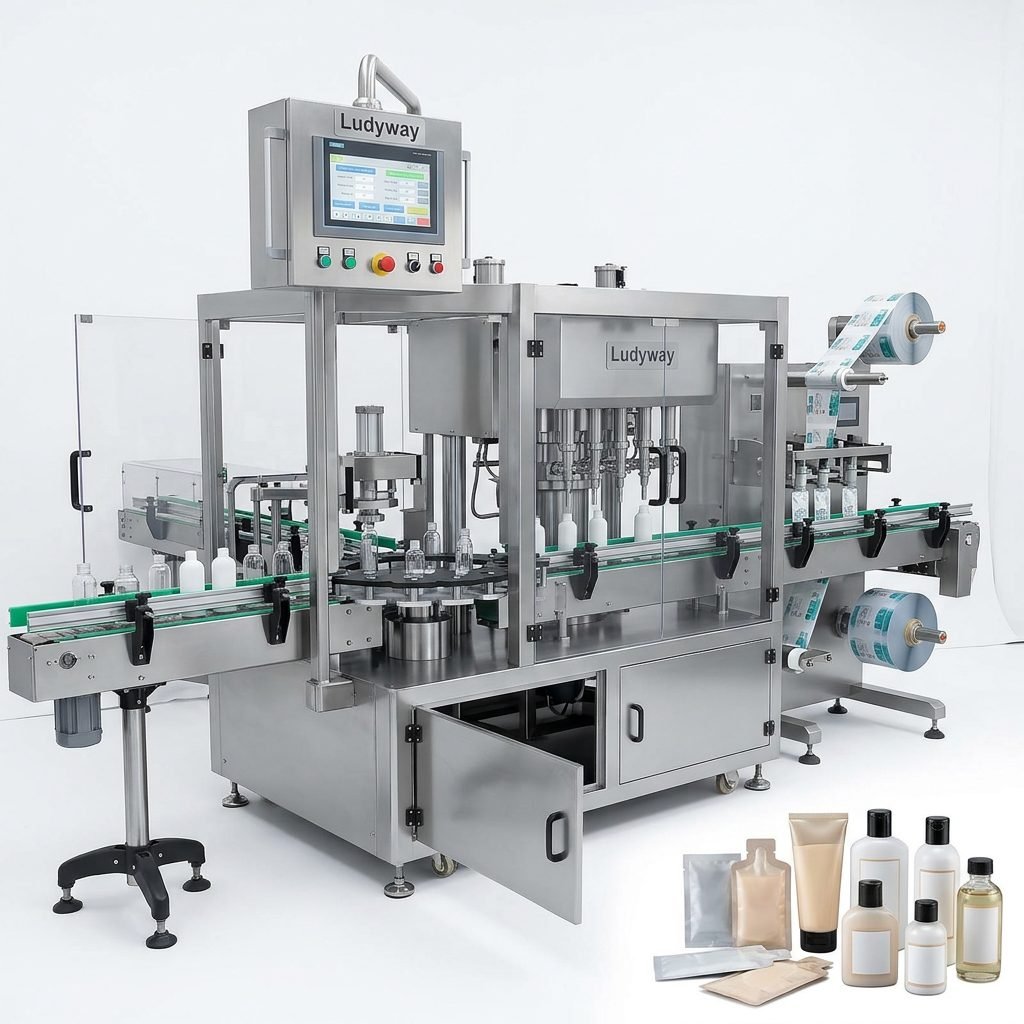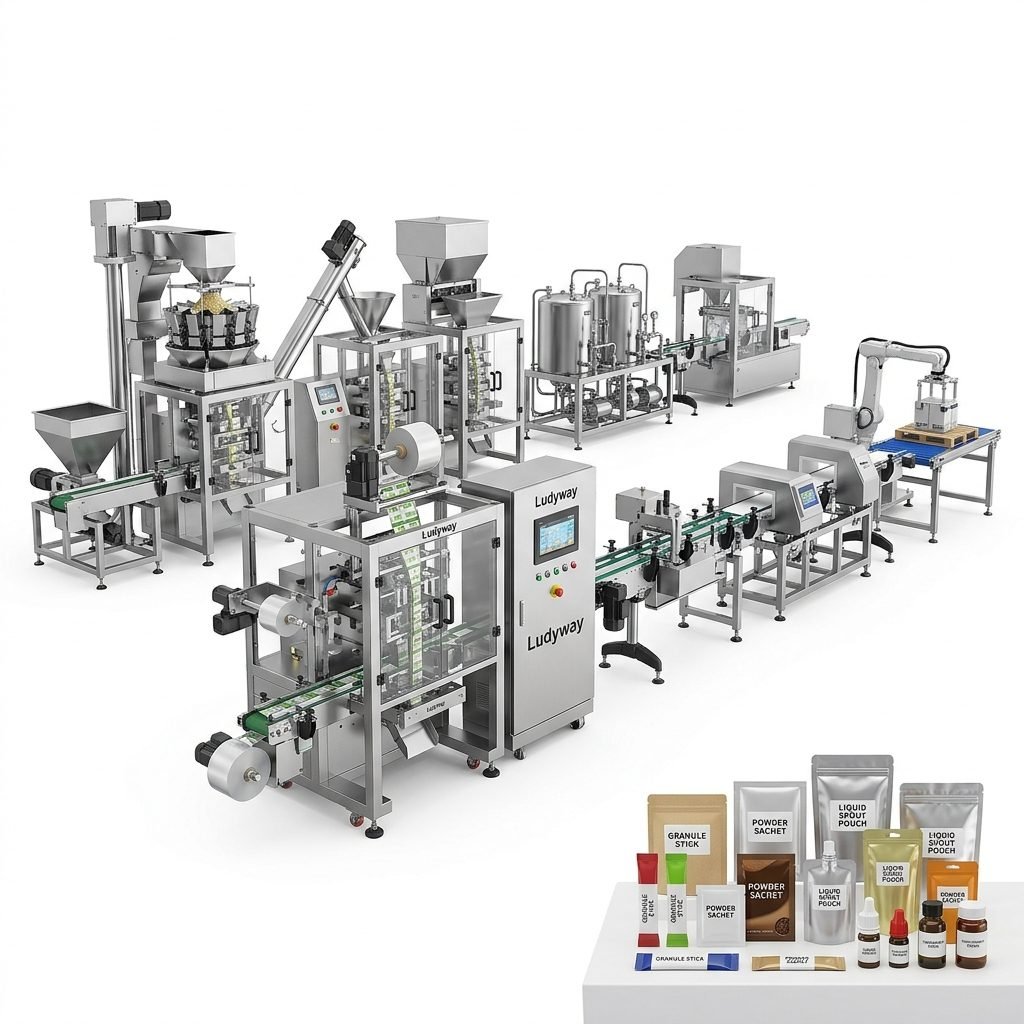
In today’s competitive manufacturing landscape, achieving peak efficiency and significant cost reduction is paramount. Extreme packaging machinery, characterized by high‑speed automated solutions, stands at the forefront of this industrial evolution. These systems are engineered to transform production lines, delivering unparalleled speed, precision, and reliability that directly translate into enhanced profitability and market agility.
Core Advantage: High‑speed automation is not merely about faster cycles; it’s a holistic strategy for optimizing resource allocation, minimizing human error, and ensuring consistent, high‑quality output that meets stringent market demands.
The Engineering Behind High‑Speed Automation
Modern extreme packaging machinery integrates several advanced technological pillars. Servo‑driven systems provide exceptional motion control, allowing for rapid yet gentle handling of products. Sophisticated vision inspection systems perform real‑time quality checks at high speeds, rejecting defective items without slowing the line. Intelligent software platforms enable seamless changeovers, predictive maintenance, and data analytics for continuous process optimization.
Key Technologies Driving Efficiency
- ✔ Precision Servo Motors: For accurate filling, cutting, and sealing actions.
- ✔ Integrated PLC & HMI Controls: Centralized command for operational simplicity and flexibility.
- ✔ Advanced Feeding Systems: Ensure consistent product flow to match high‑speed packaging.
- ✔ Robotic Integration: For palletizing, case packing, and intricate handling tasks.
Direct Pathways to Substantial Cost Savings
The investment in high‑speed automated packaging machinery yields rapid and multifaceted returns. The most immediate saving comes from labor cost reduction, as one machine can perform the work of multiple operators with greater consistency. Furthermore, material savings are achieved through precise dosing and reduced giveaway, while energy‑efficient designs lower operational power consumption.
Calculating Your ROI
Cost savings extend beyond the obvious. Consider reduced costs from:
→ Lower Rejection Rates: High precision minimizes product waste.
→ Decreased Downtime: Robust construction and predictive maintenance ensure maximum uptime.
→ Smaller Footprint: Compact, high‑output machines reduce required factory space.
Applications Across Critical Industries
From the food and beverage sector requiring hygienic, rapid packaging to the pharmaceutical industry’s need for sterile, tamper‑evident solutions, extreme packaging machinery delivers. These systems are equally vital in the health & nutrition market for packaging powders and supplements, and in the daily chemicals industry for liquids and gels. Each application benefits from tailored solutions that address specific material characteristics and regulatory standards.
The Ludyway Approach to Automated Solutions
With over 30 years of industry experience, Ludyway Machinery has established itself as a provider of reliable and intelligent packaging solutions. The brand’s philosophy centers on understanding client-specific challenges and delivering turnkey production solutions that integrate seamlessly into existing workflows. Operating from a modern 20,000㎡ facility, Ludyway develops and supplies more than 50 models of packaging machinery, including sophisticated multi‑lane stick pack and sachet packaging systems.
The company’s journey, beginning in 2010 with a focus on packaging technology and automation, has been driven by continuous innovation and practical expertise. By forging strong partnerships and focusing on quality‑focused manufacturing, Ludyway supports a global clientele. Their commitment is to provide not just equipment, but a partnership for long‑term growth, offering professional service and customized automation solutions that evolve with market needs.
Why Experience Matters
Decades of experience translate into deep knowledge of material behavior, machine durability, and production line dynamics. This allows providers like Ludyway to anticipate issues, optimize machine design for real‑world conditions, and offer complete turnkey production line solutions that work right from the start, minimizing costly commissioning delays.
Future Trends in Packaging Automation
The future points toward even greater connectivity and intelligence. The integration of the Industrial Internet of Things (IIoT) will enable deeper data collection for predictive analytics and remote monitoring. Sustainability will drive demand for machinery capable of handling eco‑friendly, recyclable, or reduced‑material packaging formats. Furthermore, flexibility will be key, as consumers demand more variety, requiring machines that can switch between products and package sizes with minimal downtime.
Ultimately, adopting extreme packaging machinery is a strategic decision that positions a business for scalability and resilience. The initial capital outlay is strategically redirected into a powerful tool for permanent operational improvement, creating a leaner, more responsive, and more profitable production environment capable of meeting the demands of tomorrow’s markets.
Frequently Asked Questions (FAQs)
1. What is the typical payback period for high‑speed automated packaging machinery?
The payback period varies based on production volume, labor costs, and the specific machine, but many operations see a full return on investment within 12 to 24 months due to dramatic increases in output and reductions in operational expenses.
2. Can automated packaging systems handle fragile or irregularly shaped products?
Yes. Modern systems are highly customizable with gentle handling features like servo‑controlled grippers, vibration‑free conveyors, and custom‑designed feeding tracks to accommodate a wide range of product types without damage.
3. How difficult is it to integrate a new high‑speed machine into an existing production line?
Professional suppliers offer comprehensive integration services. They assess line layout, connectivity, and material flow to ensure the new machine interfaces smoothly with upstream and downstream equipment, often providing a complete turnkey solution.
4. What kind of maintenance do these high‑speed machines require?
While built for durability, they require scheduled preventive maintenance. This typically involves lubrication, wear‑part inspection, and software updates. Many new machines feature self‑diagnostic tools and predictive maintenance alerts to simplify upkeep.
5. Are these systems suitable for small‑batch or high‑product‑mix production?
Absolutely. A key advancement is quick‑changeover technology. With recipe‑based controls and tool‑less adjustments, modern machines can switch between different products or package sizes in minutes, making them ideal for flexible manufacturing.