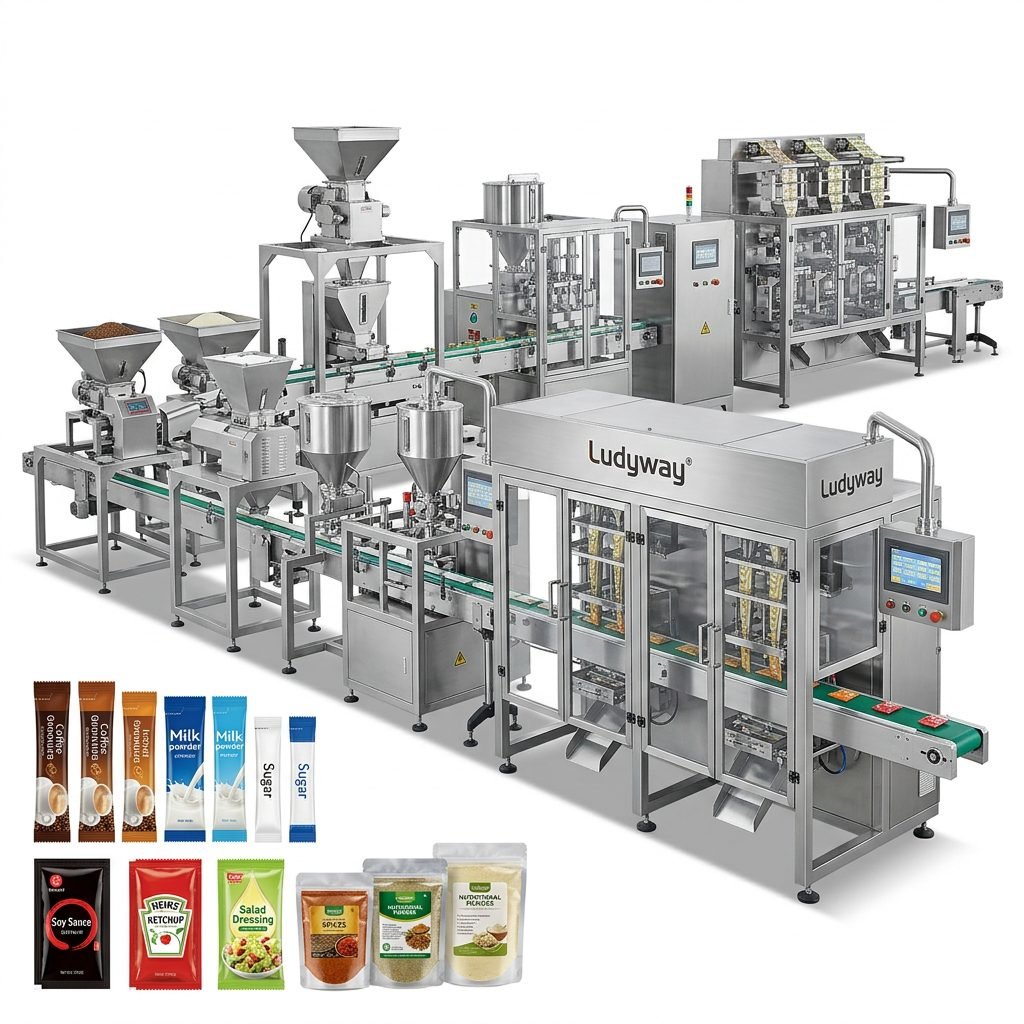
Operating a packaging machine efficiently and safely requires a thorough understanding of its functions, controls, and maintenance needs. This comprehensive manual provides a step-by-step operating guide, essential troubleshooting tips, and detailed maintenance instructions to ensure your packaging line runs smoothly and extends the equipment’s service life.
Step-by-Step Operating Guide
Before starting any operation, ensure you have read all safety warnings posted on the machine and in the original manual. Always wear appropriate personal protective equipment (PPE).
1. Pre-Operation Checks & Setup
Begin with a visual inspection of the entire machine. Check for any loose parts, debris in the sealing jaws, or obstructions in the product feed system. Verify that all safety guards are securely in place.
Key Step: Power on the main electrical supply and the compressed air line. Allow the machine’s control system to initialize completely. Set the control panel to Manual Mode for initial setup.
Load the packaging film onto the unwind shaft, threading it through the designated guides and tension rollers according to the machine’s diagram. Ensure the film is aligned correctly to prevent wrinkles during operation.
2. Machine Parameter Configuration
Access the Human-Machine Interface (HMI) or touchscreen. You will need to input the specific parameters for your product and package. Critical settings include:
- Bag Length: Determines the size of each pouch.
- Sealing Temperature & Time: Varies based on film material. Start with manufacturer recommendations.
- Filling Weight/Volume: Calibrate the filling system for your specific product.
- Production Speed: Start at a lower speed for initial tests.
3. Test Run & Adjustment
With no product in the hopper, run a few cycles to create empty packages. Inspect the seals for consistency and strength. Adjust the temperature or pressure of the sealing jaws if necessary. Once the seals are perfect, introduce a small amount of product into the system. Run the machine and check the final filled packages for weight accuracy, seal integrity, and overall appearance.
4. Commencing Full Production
After successful testing, switch the machine to Automatic Mode. Gradually increase the production speed to the desired rate while continuously monitoring the first few dozen packages. Regularly sample packages to check fill weight and seal quality.
Common Operational Troubleshooting Tips
Even well-maintained machines can encounter issues. Here’s a guide to diagnosing and resolving common problems quickly.
Poor Seal Quality
Weak or inconsistent seals are a frequent issue. Potential causes and solutions:
Cause: Incorrect temperature. Solution: Increase or decrease sealing jaw temperature in small increments. Clean the sealing jaws of any residue.
Cause: Insufficient pressure or time. Solution: Check pneumatic pressure and adjust the dwell time setting on the HMI.
Cause: Film misalignment or contamination. Solution: Re-thread the film and ensure guides are clean.
Inaccurate Filling
If the package weight is inconsistent, check the following:
- For auger fillers: Ensure the auger is not worn and is the correct size for the product. Check for bridging in the hopper.
- For volumetric fillers: Inspect the measuring cup or piston for wear or product buildup.
- For weigh fillers: Calibrate the load cells and check for vibrations affecting the scale.
Always refer to the specific manual for your filling system, such as the guide for auger filler calibration.
Film Feeding Issues
Problems like film tearing, wrinkling, or erratic feeding often stem from incorrect tension. Adjust the tension rollers or brake on the unwind shaft. Also, verify that the film registration sensor is clean and properly aligned to detect the eye-mark on the film.
Essential Maintenance Instructions
Proactive maintenance is the key to minimizing downtime and maximizing machine lifespan. Adhere to a strict schedule.
Daily Maintenance
- Cleaning: Wipe down all external surfaces. Remove product dust and spillage from the filling area, hopper, and sealing jaws using approved methods. Never use high-pressure water on electrical components.
- Lubrication: Apply a drop of food-grade oil to designated moving parts like chains and guide rails, as per the machine’s lubrication chart.
- Inspection: Listen for unusual noises. Visually check for loose screws or bolts.
Weekly & Monthly Maintenance
Perform more detailed checks. Inspect the sealing jaws for wear or scoring. Check the condition of all gaskets and O-rings in the filling system. Tighten any electrical connections. For complex systems like multi-lane stick pack machines, ensure each lane is synchronized and calibrated.
Semi-Annual & Annual Maintenance
This involves major inspections and part replacements. It is highly recommended to have a qualified technician perform this service. Tasks include:
- Comprehensive inspection of all motors, drives, and bearings.
- Replacement of wear parts like scraper blades, cutting blades, and filter elements.
- Full calibration of all sensors, scales, and the control system.
For a complete overview of maintaining a full production line, consider resources on turnkey packaging line upkeep.
Frequently Asked Questions (FAQs)
1. How often should I clean the sealing jaws?
Sealing jaws should be cleaned at the end of every production run or during product changeovers. Built-up residue is the primary cause of poor sealing performance.
2. My machine is producing packages but not cutting them properly. What should I check?
First, inspect the cutting blade for dullness or damage. Second, verify the timing of the cut cycle in relation to the seal cycle in the machine’s programming. Third, ensure the blade holder has sufficient pressure.
3. What is the most common cause of electrical faults on the control panel?
Dust and particulate contamination inside the electrical cabinet is a frequent culprit. Ensure cabinet filters are clean and the environment is as dust-free as possible.
4. Can I use any type of packaging film on my machine?
No. Machines are designed for specific film types (e.g., laminate structures). Using an incompatible film can lead to sealing failures, jams, and damage to the heating elements. Always consult your manual or supplier for approved materials.
5. Where can I find specific spare parts or technical support?
Always contact the original equipment manufacturer or their authorized distributor, like Ludyway Packing Machine, for genuine spare parts and expert technical support to ensure compatibility and maintain your machine’s warranty.